Utilizing toys in training offers a dynamic and engaging approach to learning, fostering creativity and motivation. This comprehensive guide explores various types of toys, suitable training methods, and crucial considerations for designing effective training experiences. We’ll delve into the benefits, challenges, and best practices for integrating toys into diverse training environments, from classrooms to homes.
This guide will walk you through the selection of appropriate toys, implementation of effective training methods, and addressing potential obstacles to ensure a positive and successful learning experience for all participants. We’ll examine how toys can be tailored to meet the specific needs of different learners, regardless of age or skill level.
Introduction to Training with Toys
Toys are valuable tools that can significantly enhance training effectiveness. Their engaging nature can motivate learners, making the process more enjoyable and ultimately improving retention. Using toys appropriately fosters creativity, problem-solving skills, and a deeper understanding of the subject matter.Incorporating toys into training programs can tailor the learning experience to different age groups and learning styles. The varied shapes, colors, and textures of toys can stimulate sensory engagement and promote active learning.
This approach is particularly effective in creating a more interactive and dynamic learning environment.
Benefits of Using Toys in Training
The use of toys in training offers a multitude of benefits. They can spark interest and enthusiasm, making the learning process more enjoyable and memorable. The interactive nature of toys encourages active participation, which is crucial for effective learning. Toys can also be used to introduce complex concepts in a simplified and engaging way.
Types of Toys Suitable for Training Activities
A wide range of toys can be employed in various training scenarios. Educational toys, such as building blocks or puzzles, are particularly effective for promoting problem-solving skills and spatial reasoning. Action figures and dolls can be used to explore social skills and role-playing scenarios. Sensory toys, like textured balls or soft animals, can be valuable for stimulating tactile learning and promoting relaxation.
Finally, specialized toys tailored to specific training objectives can provide a more focused learning experience.
Incorporating Toys into Different Training Environments
Toys can be seamlessly integrated into diverse training settings. In a home-based training program, toys can be used to reinforce learning concepts through play-based activities. In a park setting, toys can facilitate outdoor games that encourage teamwork and problem-solving. In a classroom setting, toys can be used to enhance lessons on subjects such as science, mathematics, or social studies.
Comparative Analysis of Toy Types in Training
| Toy Type | Advantages | Disadvantages |
|---|---|---|
| Building Blocks | Promote spatial reasoning, problem-solving, and fine motor skills; can be used for various subjects. | May require more supervision, especially with younger children; storage can be challenging. |
| Puzzles | Develop critical thinking, logical reasoning, and hand-eye coordination; can be customized for different difficulty levels. | May be frustrating for learners who struggle with the complexity; can be time-consuming to complete. |
| Action Figures | Foster role-playing, social skills, and empathy; allow exploration of scenarios in a safe environment. | May not be suitable for all learning styles; can be expensive to provide for large groups. |
| Sensory Toys | Stimulate tactile learning, promote relaxation, and aid in sensory processing; useful for children with specific needs. | May not be as effective for all training objectives; could potentially cause distractions if not properly managed. |
Training Methods Utilizing Toys
Toys, when incorporated strategically, can significantly enhance the learning experience. They offer a fun and engaging approach to training, fostering motivation and a deeper understanding of concepts. This section delves into various training methods that effectively leverage toys, exploring their motivational power and practical application in diverse learning settings.Effective training methods often integrate toys to create interactive and engaging learning environments.
This approach fosters a deeper understanding of the subject matter and encourages active participation from the learners. The use of toys can be tailored to suit diverse learning objectives and cater to individual learning styles.
Reward-Based Training
Reward-based training utilizes toys as positive reinforcement for desired behaviors or accomplishments. This approach motivates learners by associating positive outcomes with the completion of tasks or learning objectives. For instance, a child completing a puzzle might receive a small toy as a reward, reinforcing the value of problem-solving. This approach can be particularly effective in motivating learners who are intrinsically motivated by tangible rewards.
Play-Based Learning
Play-based learning methods capitalize on the inherent fun and engagement of toys. Learning through play fosters a more natural and enjoyable learning process. For example, using building blocks to learn about shapes and structures is a prime example of play-based learning. The focus is on active participation, exploration, and discovery, making learning a more dynamic and interactive experience.
Problem-Solving Training
Toys can be powerful tools for problem-solving training. By presenting learners with challenges or puzzles that require strategic thinking and problem-solving skills, toys can encourage critical thinking and analytical abilities. A child using a set of interlocking blocks to create a structure of a particular height would be practicing problem-solving skills. This approach not only enhances problem-solving skills but also encourages creativity and innovation.
Motivating Learners with Toys
Toys can significantly motivate learners by making the learning process more engaging and enjoyable. The novelty and appeal of toys can capture attention and sustain interest, which is essential for effective learning. The inherent appeal of toys can stimulate curiosity and encourage exploration, leading to a deeper understanding of the subject matter.
Structuring Training Sessions with Toys
Training sessions using toys should be structured to maximize their effectiveness. Sessions should be tailored to the specific learning objectives and the age and experience level of the learners. The use of toys should be integrated seamlessly into the overall training program. The introduction of toys should be strategically timed to maintain engagement.
Creative Activities Using Toys
- Matching Games: Toys with matching parts, like puzzles, can be used for color, shape, and pattern recognition. This promotes cognitive development.
- Building Activities: Building blocks, LEGOs, or other construction toys can help teach spatial reasoning, problem-solving, and fine motor skills. Designing structures based on blueprints or specific criteria can be particularly effective.
- Role-Playing Games: Toys like dolls, action figures, or play food can be used to encourage imaginative play and develop social skills, empathy, and emotional intelligence.
Table of Training Methods and Toys
| Training Method | Toy Type | Learning Objective |
|---|---|---|
| Reward-Based Training | Small, attractive toys | Reinforcing desired behaviors and accomplishments |
| Play-Based Learning | Building blocks, dolls, play food | Promoting active participation, exploration, and discovery |
| Problem-Solving Training | Puzzles, construction sets | Enhancing critical thinking, analytical abilities, and creativity |
| Sensory Exploration | Textured balls, shape sorters | Developing fine motor skills and sensory awareness |
Designing Engaging Training Experiences with Toys
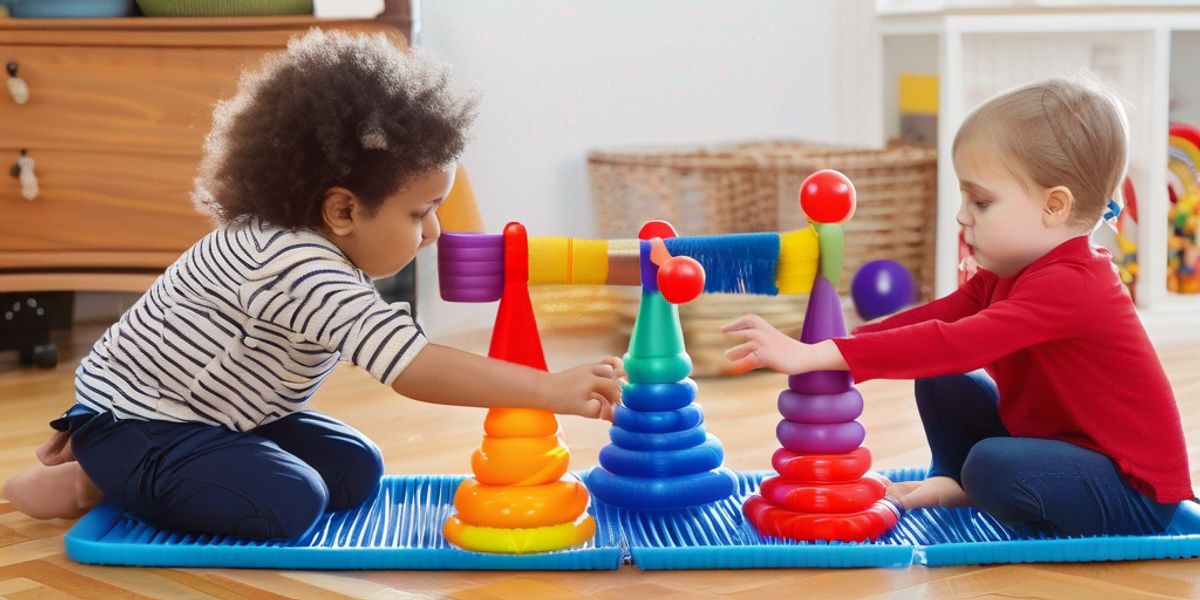
Enhancing training experiences through the strategic use of toys can significantly boost engagement and knowledge retention. Employing toys effectively caters to diverse learning styles and creates a more enjoyable and memorable learning environment. This approach can transform passive learning into active participation, making training more effective and efficient.
Key Factors in Choosing Training Toys
Selecting appropriate toys is crucial for maximizing the training’s impact. Consider several key factors when making your selections. These factors will directly influence the success of the training program.
- Alignment with Learning Objectives: Toys should directly support the learning objectives of the training session. Choosing toys that align with specific learning goals ensures that the activities are relevant and contribute effectively to achieving the desired outcomes. This is vital for the overall success of the training program.
- Learner Age and Developmental Stage: The age and developmental stage of the learners are essential considerations. Toys that are too simple or too complex can hinder engagement and learning. A suitable selection caters to the learners’ needs, maintaining their interest and promoting effective learning.
- Safety and Durability: Safety should always be a top priority when using toys in training. Choose toys that are sturdy, durable, and appropriate for the specific training activity. Prioritizing safety ensures that participants remain engaged without risk. A well-designed toy will withstand the demands of the training program and remain intact.
- Engagement and Interest: The toys should be engaging and appealing to the learners. A captivating toy can enhance their interest and motivation, leading to improved focus and participation. This engagement is critical for effective learning.
Safety Considerations
Ensuring the safety of participants during training sessions is paramount. Appropriate safety measures are crucial for a successful training program.
- Supervision: Close supervision is essential, particularly during activities involving physical interaction with the toys. This ensures the safety of all participants.
- Appropriate Toy Selection: Choose toys that are free of sharp edges, small parts that could be swallowed, or other hazards. A well-considered choice reduces the risk of accidents.
- Clear Instructions: Provide clear and concise instructions regarding the safe handling and use of the toys. This will help participants avoid potential risks and promote a safe learning environment.
Adapting Training Activities for Diverse Learners
Effective training adapts to the needs of all learners, regardless of their individual abilities. Flexibility is vital in a training program.
- Differentiation: Design activities that can be modified to cater to different learning styles and abilities. This might involve offering various levels of challenge or providing alternative ways to interact with the toys.
- Support and Guidance: Provide support and guidance to learners who may need extra assistance. This could involve providing additional resources, demonstrating techniques, or offering individual coaching.
- Feedback and Assessment: Implement feedback mechanisms to monitor learner progress and adjust activities accordingly. Gathering feedback ensures the training is meeting the needs of all participants.
Matching Toys to Learning Goals
A clear understanding of how toys align with specific learning goals is essential. This ensures the effectiveness of the training.
| Learning Goal | Relevant Toy Feature | Description |
|---|---|---|
| Developing problem-solving skills | Puzzles and building blocks | These toys encourage exploration, experimentation, and the development of strategies for overcoming challenges. |
| Enhancing creativity and imagination | Dress-up clothes and play-dough | These toys stimulate imagination, allowing learners to create and explore different roles and scenarios. |
| Improving communication skills | Role-playing figures and puppets | These toys facilitate interaction, dialogue, and the practice of various communication techniques. |
Addressing Challenges and Considerations
Utilizing toys in training presents a dynamic approach, but it’s crucial to acknowledge and address potential obstacles. Careful planning and adaptability are key to ensuring the effectiveness and safety of training sessions incorporating toys. This section delves into potential challenges, offering practical solutions and strategies for modifying training plans when toys prove less effective.Addressing challenges proactively is essential for maximizing the benefits of toy-based training.
A flexible and adaptable approach, coupled with a keen awareness of potential issues, will lead to more successful and rewarding training experiences.
Potential Challenges in Toy-Based Training
Understanding potential problems associated with toy-based training is critical for successful implementation. Several factors can affect the effectiveness of toy-based training, necessitating careful consideration and preparation. These include participant engagement, toy appropriateness, and safety concerns.
- Participant Engagement: Not all participants respond positively to toy-based activities. Some individuals might be uninterested or feel intimidated by certain toys, hindering their engagement and learning. This can impact the overall effectiveness of the training session.
- Inappropriate Toy Selection: Choosing toys that don’t align with training objectives or participant needs can lead to wasted time and resources. Toys that are too complex, too simple, or not aligned with the learning goals will diminish their effectiveness.
- Safety Concerns: Ensuring the safety of participants is paramount. Toys with sharp edges, small parts that could be swallowed, or potential for injury require careful handling and supervision. Toys must be appropriate for the age and abilities of the trainees.
- Lack of Instructor Expertise: Instructors unfamiliar with using toys in training might struggle to effectively integrate them into sessions. This can lead to a less engaging and less effective learning environment. Adequate training and preparation for instructors are crucial.
Solutions for Overcoming Challenges
Developing effective solutions for these challenges is crucial to ensuring the success of toy-based training. A proactive approach that anticipates and addresses potential issues is key to maintaining participant engagement and ensuring a safe learning environment.
- Enhancing Participant Engagement: Introduce a variety of toys, tailoring activities to different learning styles and preferences. Encourage participation through interactive games and activities, allowing participants to choose their preferred toys for specific tasks.
- Appropriate Toy Selection: Thoroughly research and select toys that are appropriate for the training goals and the specific needs of the participants. Consider factors like age appropriateness, complexity, and safety features.
- Prioritizing Safety: Implement safety protocols to mitigate potential hazards. Conduct thorough inspections of toys before each session. Supervise participants closely, especially during activities involving potential risks.
- Instructor Training: Provide comprehensive training for instructors on using toys effectively in training sessions. Offer demonstrations and practice sessions to enhance instructor confidence and competence.
Modifying Training Plans
Adaptability is key when toy-based training doesn’t yield the expected results. Adjustments to training plans are essential to maintain participant engagement and learning.
- Identifying Ineffective Elements: Analyze the training sessions and identify specific toys or activities that aren’t proving effective. Observe participant engagement and interaction with the toys to pinpoint areas for improvement.
- Implementing Alternatives: Replace ineffective toys with alternatives that better suit the learning objectives and participant needs. Consider incorporating more interactive or engaging elements.
- Adjusting Training Strategies: Modify the training plan to accommodate the new toys or activities. Adjust the sequence of activities, the duration of sessions, or the level of interaction.
Addressing Safety Concerns
Safety is paramount in any training setting, especially when using toys. Implementing robust safety measures will minimize risks and maintain a positive learning environment.
- Pre-Training Inspections: Before each training session, thoroughly inspect all toys for potential hazards. Check for sharp edges, loose parts, and any other potential safety concerns. Repair or replace any faulty toys immediately.
- Clear Instructions: Provide clear and concise instructions on how to use the toys safely. Demonstrate proper handling techniques and emphasize the importance of following guidelines.
- Supervision and Monitoring: Ensure adequate supervision during all activities involving toys. Closely monitor participants, especially those who might be at a higher risk of injury. Address any safety concerns immediately.
Problem-Solution Table
| Problem | Solution |
|---|---|
| Low participant engagement with specific toys | Introduce a variety of toys, modify activities, or encourage participant choice. |
| Toys are unsuitable for the training objectives | Select appropriate toys based on learning objectives and participant needs. |
| Potential safety hazards with certain toys | Thoroughly inspect toys, provide clear instructions, and maintain close supervision. |
Illustrative Examples of Training with Toys
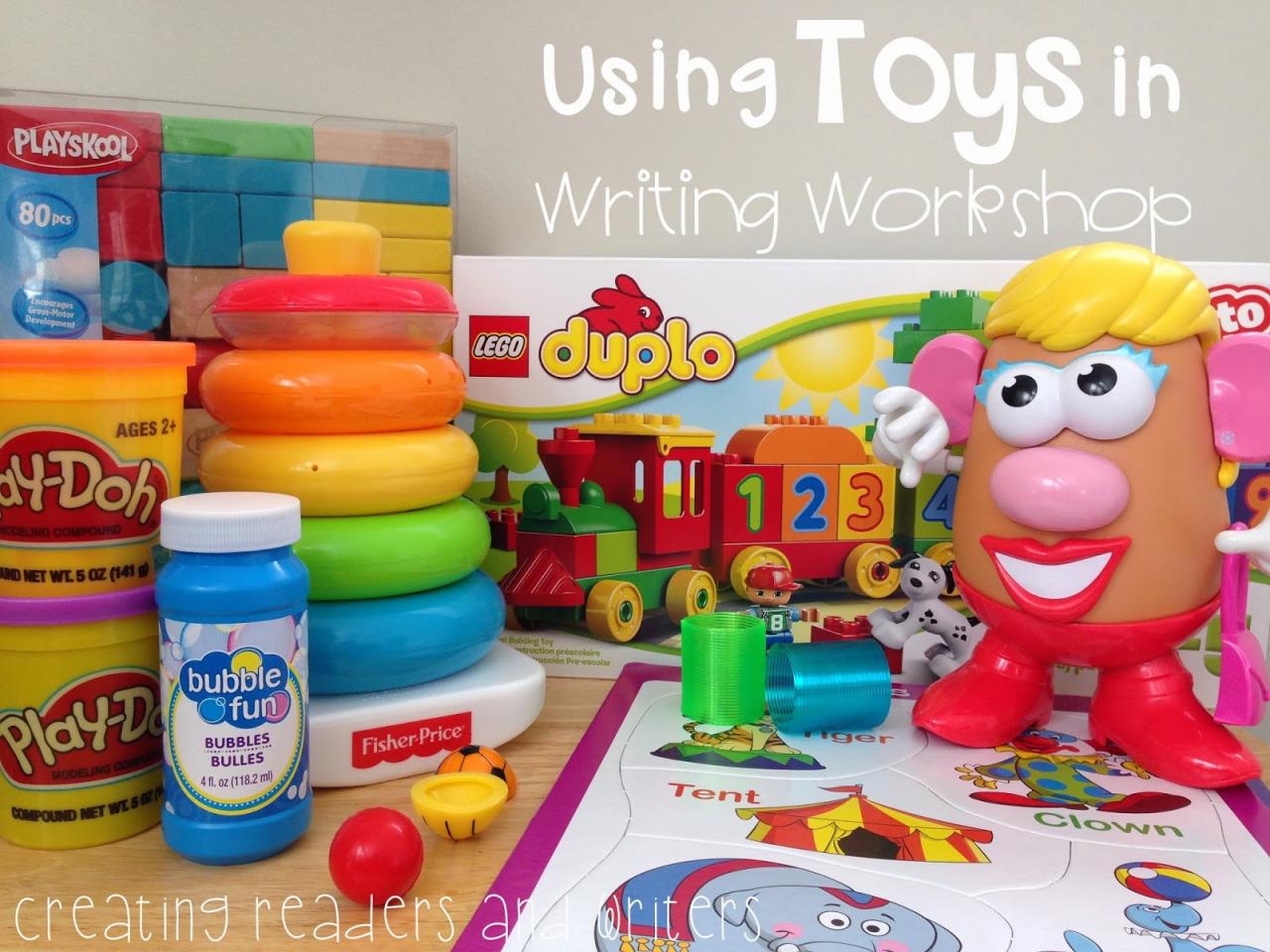
Effective training often leverages engaging tools to motivate and enhance learning. Toys, when thoughtfully incorporated, can significantly improve training outcomes by fostering a fun and interactive environment. This section provides real-world examples of successful training sessions using toys, showcasing their impact and versatility.Utilizing toys in training allows for a dynamic learning experience, moving beyond traditional methods. The playful nature of toys can help participants retain information more effectively, while also building crucial skills in a less formal and more enjoyable manner.
Successful Training Sessions Using Toys
Implementing toys in training requires careful consideration of the specific training goals, the target audience, and the type of toys chosen. Success hinges on a clear understanding of how the toys will facilitate learning.
- Improving Problem-Solving Skills in Children: A group of 6-8-year-old children were trained to solve puzzles. Wooden puzzles with intricate designs were used. The training session focused on spatial reasoning, pattern recognition, and sequential steps. The children enjoyed the process of fitting pieces together and were motivated to find solutions independently. Positive outcomes included a noticeable increase in problem-solving abilities and a more collaborative learning environment.
- Enhancing Communication Skills in Adolescents: A training session for teenagers aimed at improving communication used soft playdough and modeling clay. Participants were encouraged to create and sculpt miniature scenes, representing narratives or social situations. They then presented their creations to the group, describing the scenes and the characters. This activity promoted active listening, clear expression, and improved interpersonal communication skills, with participants finding the process enjoyable and productive.
- Developing Teamwork and Collaboration in Adults: A training program for project managers utilized building blocks and Lego bricks. Participants were assigned to teams and tasked with building a complex structure within a time constraint. The activity fostered communication, coordination, and negotiation among team members. Positive outcomes included improved team dynamics and increased productivity within the project management environment.
Examples of Toys for Different Age Groups and Skill Levels
The selection of toys is crucial for effective training. Choosing appropriate toys that cater to different age groups and skill levels is paramount. The following table illustrates suitable toys for various training scenarios.
| Age Group | Skill Level | Toy Examples | Training Focus |
|---|---|---|---|
| Preschoolers (3-5 years) | Beginner | Soft blocks, stacking cups, shape sorters | Fine motor skills, color recognition, basic problem-solving |
| Elementary School (6-12 years) | Intermediate | Puzzles, building sets (Lego, Duplo), board games | Spatial reasoning, critical thinking, strategic planning |
| Teenagers (13-18 years) | Advanced | Creative arts materials (clay, paints, drawing supplies), complex board games | Creative expression, decision-making, collaboration |
| Adults | All levels | Board games, strategy games, role-playing games | Problem-solving, communication, leadership, conflict resolution |
A Detailed Description of a Successful Training Session
A training session focused on leadership skills utilized a combination of toys. The chosen toys included building blocks, LEGOs, and strategy games. Participants were divided into teams, each tasked with designing and building a structure that represented a company’s organizational hierarchy. The structure had to be strategically designed to effectively manage and distribute resources. Teams then presented their models, explaining their organizational strategies and decision-making processes.
This activity provided a concrete platform for participants to explore leadership concepts, from delegation to problem-solving, while fostering collaboration and communication. Positive outcomes included enhanced leadership skills, improved team dynamics, and a deeper understanding of organizational structures. The fun and interactive nature of the session made the training experience more engaging and memorable.
Closing Notes
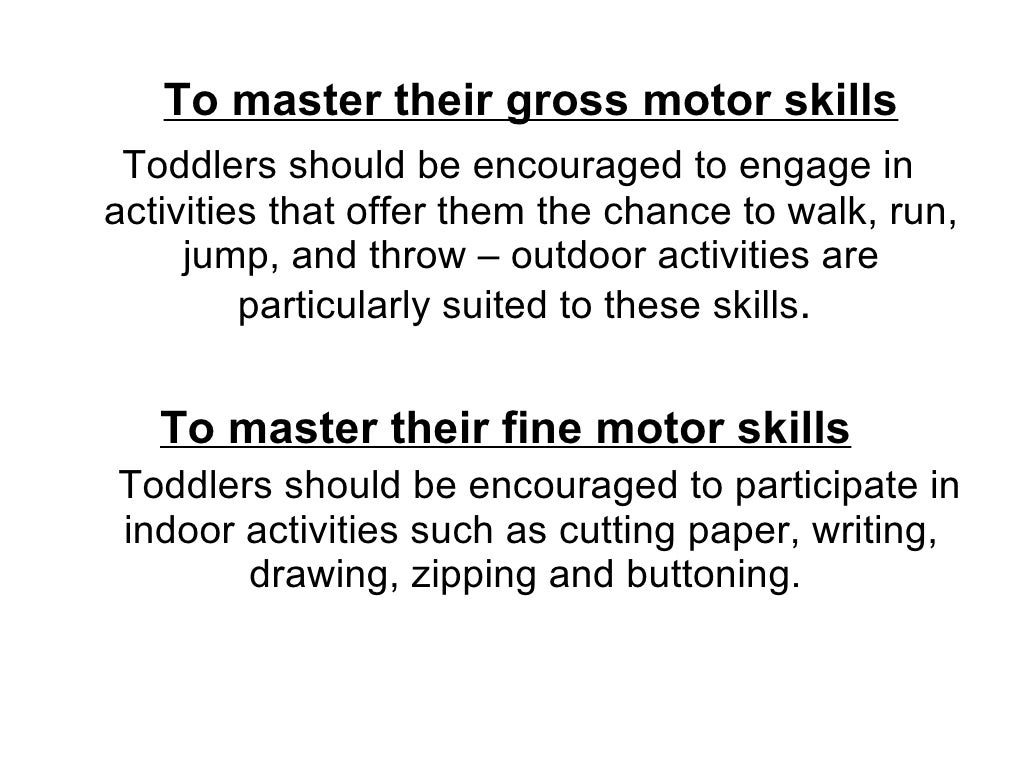
In conclusion, incorporating toys into training programs can significantly enhance engagement and learning outcomes. By carefully considering the benefits, challenges, and considerations discussed, trainers can effectively design engaging and effective training sessions. Remember to prioritize safety, adaptability, and alignment with learning objectives. This comprehensive approach to training with toys empowers educators and trainers to create exceptional learning experiences.