Teaching your dog the “sit” command is a fundamental step in establishing a strong bond and positive training relationship. This comprehensive guide delves into the intricacies of positive reinforcement methods, offering a structured approach to mastering this essential obedience command. From understanding canine behavior to troubleshooting common challenges, we’ll equip you with the knowledge and techniques to successfully train your dog.
This guide explores various training techniques, including lure-and-reward, hand signals, and verbal cues. We will examine how to adapt training methods for different environments and address potential obstacles. It provides a detailed comparison of positive reinforcement and punishment-based approaches, highlighting the importance of consistency and patience throughout the training process.
Fundamentals of Dog Training
Positive reinforcement training methods are a cornerstone of modern dog training, focusing on rewarding desired behaviors rather than punishing undesirable ones. This approach fosters a strong bond between owner and dog, leading to a more cooperative and enjoyable learning experience for both parties. A crucial element in this method is the understanding that dogs learn best through positive associations.This approach emphasizes understanding and building a positive relationship with your canine companion, through positive reinforcement and consistent training practices.
A well-trained dog is not just a dog that performs commands, but a dog that is happy, confident, and well-adjusted. This training philosophy is vital in shaping a dog’s behavior and promoting their overall well-being.
Positive Reinforcement Training Methods
Positive reinforcement training utilizes rewards to encourage desired behaviors. This involves rewarding the dog immediately after the desired action is performed. This immediate association helps the dog understand the connection between the action and the reward. Rewards can be treats, praise, toys, or even a favorite activity. The key is to use rewards that are motivating for the specific dog.
Importance of Consistency and Patience
Consistency is paramount in dog training. A consistent approach ensures the dog understands the expected behavior regardless of the time or location. This consistency is vital for the dog’s learning process. Patience is equally important. Learning takes time, and dogs learn at different paces.
Rushing the process can lead to frustration for both the dog and the owner. It’s essential to celebrate small victories and adjust the training methods as needed to accommodate the dog’s learning style.
Reward-Based Strategies in Teaching the Sit
Reward-based strategies are fundamental to teaching the sit command. For instance, when the dog is in the process of sitting, a treat can be used as a reward. A positive reinforcement method involves rewarding the dog immediately after it sits. Verbal praise, like “Good sit!”, is also a crucial component of this method, strengthening the association between the command and the reward.
The reward reinforces the desired behavior, encouraging the dog to repeat it in the future.
Basic Training Schedule for Teaching the Sit
A structured training schedule can facilitate learning. Begin with short, focused sessions, gradually increasing the duration as the dog progresses. For example, 5-10 minutes per session is ideal for initial training. Break down the training into smaller, manageable steps.
- Initial Steps: Start by holding a treat near the dog’s nose and slowly move it up, over, and back down. As the dog’s head follows the treat, its rear will naturally lower into a sit position. Immediately reward this position with a treat and praise. Repeat this step numerous times.
- Adding the Command: Once the dog consistently sits when the treat is moved, introduce the verbal command “sit” as you move the treat. Say “sit” as the dog’s rear touches the ground. Reward immediately upon achieving the sit.
- Fading the Treat: Gradually reduce the reliance on treats, rewarding with praise and petting as the dog begins to associate the command with the action.
- Practice in Different Locations: Practice the sit command in various environments to ensure the dog understands the command in different settings.
Positive Reinforcement vs. Punishment-Based Methods
| Method | Impact on Dog Behavior | Impact on Owner-Dog Relationship |
|---|---|---|
| Positive Reinforcement | Encourages desired behaviors, builds confidence, and creates a positive association with training. Dogs are more likely to cooperate and learn. | Strengthens the bond between owner and dog, leading to a more enjoyable and cooperative training experience. |
| Punishment-Based Methods | Can create fear, anxiety, and aggression in dogs. It may suppress unwanted behaviors temporarily, but often leads to avoidance and other behavioral problems. | Can damage the relationship between owner and dog. Dogs may become distrustful and fearful of their owners. |
Understanding the Sit
Understanding the “sit” command goes beyond simply getting a dog to assume a seated posture. It’s a fundamental aspect of canine communication and obedience, crucial for establishing a strong bond and ensuring a safe environment. This section will delve into the behavioral definition of a sit, the physical cues required for effective training, motivational techniques, and various approaches for guiding a dog into the desired position.The behavioral definition of a sit in a dog involves the dog’s hindquarters contacting the ground while its torso and head remain elevated.
The dog’s weight should be distributed evenly, and its body posture should be relaxed and comfortable. This definition allows for clear identification of the desired behavior during training and assessment.
Behavioral Definition of the Sit
A clear understanding of the “sit” command’s behavioral definition is essential for consistent training. A dog performing a sit maintains a stable position with its hindquarters on the ground, its back straight, and its head and torso elevated. This ensures the dog is not simply lying down or crouching. The dog’s weight distribution should be balanced and comfortable.
Physical Cues and Body Language
Effective training hinges on clear and consistent communication. The trainer’s physical cues, combined with appropriate body language, greatly impact the dog’s understanding. Using hand signals, body posture, and verbal cues simultaneously helps the dog grasp the desired action quickly and efficiently.A significant aspect of teaching the sit command is the use of specific hand signals. These signals need to be clear, consistent, and easily understood by the dog.
The hand signal should be presented in a way that doesn’t confuse the dog with other commands. For instance, the hand signal for a “sit” could involve holding the hand flat, palm facing the dog, and moving the hand slowly downwards.
Motivational Techniques
Effective training often relies on appropriate motivation. Positive reinforcement techniques, such as treats and praise, are crucial in encouraging desired behavior. Understanding a dog’s inherent motivations—be it food, play, or praise—helps tailor training methods to enhance learning.Dogs respond to various motivational factors. Some dogs are highly motivated by food rewards, while others are more responsive to praise or play.
Identifying a dog’s primary motivator allows trainers to use the most effective rewards to reinforce the desired behavior.
Approaches for Guiding a Dog into the Sit
Several methods exist for guiding a dog into the sit position. The approach should be consistent and tailored to the dog’s individual learning style and preferences. This adaptability is crucial for achieving optimal training results.One approach involves using a lure, such as a treat, to entice the dog into the sit position. Another method involves using a hand signal and verbal cue together.
The choice of method should consider the dog’s individual learning style and preferences.
Hand Signals and Verbal Cues for the Sit
| Hand Signal | Verbal Cue | Description |
|---|---|---|
| Hand flat, palm facing the dog, moving downwards | “Sit” | The hand signal guides the dog’s head and body into a sitting posture. |
| Hand held slightly higher, palm facing the dog, moving downwards | “Sit” | A variation of the previous signal, maintaining consistent cues. |
| Hand held out, palm down, slowly move hand down | “Sit” | A less conventional but effective method, using the hand’s movement to direct the dog. |
This table illustrates some common hand signals and verbal cues for the sit command. Consistency in these cues is paramount for effective training. The table showcases a few examples; trainers may adapt these to fit their specific needs and the dog’s learning style.
Training Techniques for the Sit
Teaching your dog the “sit” command is a fundamental building block in canine training. A well-executed “sit” command demonstrates your dog’s understanding of basic obedience, allowing for more complex commands to be introduced later. It also fosters a positive and communicative relationship between you and your canine companion.Effective training involves understanding your dog’s learning style and utilizing positive reinforcement techniques.
Patience, consistency, and clear communication are key elements in successfully teaching your dog the “sit” command.
Lure-and-Reward Procedure for Teaching Sit
This method utilizes a treat to guide the dog into the desired position. The treat acts as a visual and olfactory incentive, making the learning process more engaging and motivating. A well-chosen treat, one that your dog finds particularly appealing, is essential.
- Step 1: Hold a treat near your dog’s nose. Slowly move the treat upward and backward over their head. This movement will encourage your dog to follow the treat with its nose and head. As their head moves upward, their body will naturally follow, settling into a sit position.
- Step 2: As their rear end touches the ground, immediately say “sit” and give the treat. Reinforce this positive behavior with enthusiastic praise and a reward.
- Step 3: Repeat this process several times, always rewarding the dog when they correctly achieve the sit position. Gradually increase the duration of the sit before rewarding.
- Step 4: Introduce a hand signal. Simultaneously with the verbal cue, use a hand signal, such as a slow upward motion of your hand. Pair the hand signal with the verbal command consistently.
- Step 5: Gradually fade out the use of the lure. Initially, the treat should be close to the dog’s nose. Gradually move the treat further away and higher over the head to promote the understanding of the desired behavior without the visual aid.
- Step 6: Practice regularly in different locations and with distractions. This helps your dog generalize the command in various situations.
Using Hand Signals and Verbal Cues
Using both hand signals and verbal cues enhances the dog’s understanding of the command and promotes a quicker learning process. Consistency is critical in both the verbal and non-verbal cues.
- Hand Signals: Employ a clear, consistent hand signal, such as a slow upward motion of your hand. Practice this gesture alongside the verbal command (“sit”).
- Verbal Cues: Use a short, clear, and consistent verbal cue, such as “sit.” This will aid in the dog associating the word with the desired action.
- Pairing Signals: Consistently use the hand signal and verbal cue simultaneously. This pairing reinforces the link between the visual and auditory cues and the desired behavior.
Methods of Luring the Dog into Sit
The effectiveness of luring techniques depends on the dog’s learning style and the treat used.
- Treat Luring: The treat is held just above and slightly in front of the dog’s nose. As the dog follows the treat upward, its body naturally settles into a sit position.
- Moving the Treat: Slowly move the treat over the dog’s head in an upward and backward motion, enticing them to follow the treat with their nose.
- Using Different Treat Positions: Vary the position of the treat. Sometimes, you might need to hold it higher or lower to guide the dog into the sit position.
Rewarding Desired Behavior
Rewarding the desired behavior is crucial in positive reinforcement training.
- Immediate Rewards: Reward the dog immediately upon achieving the desired sit position. This reinforces the correct behavior.
- Positive Reinforcement: Use positive reinforcement, such as praise, petting, or a favorite treat. The more positive and enthusiastic the reinforcement, the more motivated the dog will be.
- Consistency: Maintain consistent and timely rewards to reinforce the correct behavior.
Progressive Steps in Teaching Sit
The following table Artikels the progressive steps in teaching the sit command, from initial training to more advanced stages.
| Training Stage | Description | Tips |
|---|---|---|
| Initial Training | Introduce the lure, verbal cue, and hand signal. | Use high-value treats and keep sessions short. |
| Intermediate Training | Increase the duration of the sit. Introduce distractions. | Maintain consistency in cues and rewards. |
| Advanced Training | Gradually fade out the lure. Execute the command in different environments. | Focus on rewarding the dog’s focus and attention. |
Troubleshooting Common Issues

Troubleshooting common issues is a crucial aspect of effective dog training. Addressing challenges like distractions and resistance promptly ensures a positive and rewarding experience for both you and your canine companion. By understanding and adapting to these situations, you can maintain a consistent and effective training regimen.Addressing challenges such as distractions and resistance requires a flexible approach. Consistency, patience, and positive reinforcement are key to overcoming these hurdles.
It is vital to recognize that every dog learns at their own pace, and setbacks are normal. The ability to adjust your strategy based on the dog’s response is essential for success.
Addressing Distractions
Distractions are a common obstacle in dog training. Understanding the triggers and learning to mitigate their impact is essential for progress. Successfully teaching a dog to ignore distractions takes time and patience. Techniques for handling distractions involve gradual exposure and positive reinforcement for desired behaviors.
- Gradually introduce distractions in a controlled environment. Start with low-level distractions and gradually increase the intensity as the dog demonstrates a reliable response.
- Reward the dog consistently when they maintain focus on you and the training cue. Positive reinforcement reinforces the desired behavior and reduces the appeal of the distraction.
- Use high-value treats or toys to maintain the dog’s attention. This creates a strong association between your cue and a rewarding experience.
- Employ training tools, such as a long line or a training vest, to manage the dog’s proximity and reduce the dog’s access to distractions.
Handling Resistance
Resistance, a dog’s reluctance to comply with a command, can stem from various factors. Understanding the underlying cause is critical to implementing effective solutions. It’s essential to identify and address the root of the resistance, rather than simply punishing the dog.
- Assess the situation for potential underlying issues. Fatigue, hunger, or a lack of motivation can lead to resistance. Addressing these basic needs can significantly improve training outcomes.
- Ensure the training environment is conducive to learning. A calm and quiet space is crucial for focus. A chaotic or overly stimulating environment will likely hinder the dog’s ability to concentrate.
- Re-evaluate the training method. If the current approach isn’t working, consider adjusting the training techniques. Gradually reducing the complexity of the exercise or utilizing positive reinforcement strategies can improve the dog’s willingness to comply.
- Reinforce previous successes to maintain motivation. Celebrating past achievements reinforces the connection between the dog and the desired behavior.
Adapting Training Techniques
When a dog doesn’t respond to initial cues, adapting the training approach is necessary. A flexible training strategy is crucial to success. Trial and error is a part of the process.
- Simplify the command. Break down complex commands into smaller, manageable steps. This approach allows the dog to build confidence and understanding step-by-step.
- Shorten training sessions. Keep sessions focused and engaging to avoid overwhelming the dog. Overly long sessions can lead to frustration and decreased motivation.
- Adjust the reward system. Vary the type of reward or the frequency of rewards. Maintaining interest is critical for long-term success.
- Use a different approach. If the dog is unresponsive to verbal cues, consider using hand signals or other visual cues. This method can help if the dog is more receptive to visual prompts.
Addressing and Correcting Behaviors
Addressing and correcting behaviors during training requires a careful approach. A positive and constructive feedback mechanism is critical to progress. Avoid punishment, as it can damage the training relationship.
- Focus on positive reinforcement to reward desired behaviors.
- Use redirection to guide the dog toward the desired behavior.
- Avoid punishment, which can lead to fear and anxiety.
- Provide a consistent and predictable training environment.
Maintaining Focus During Training
Maintaining focus is essential for effective training. A structured approach and a supportive environment are key elements. Focus is crucial for success in all dog training.
- Establish a consistent training schedule. Regular sessions create a routine that helps the dog anticipate and engage in the training process.
- Minimize distractions during training sessions. Create a quiet and controlled environment to maximize focus.
- Use positive reinforcement techniques to maintain interest. High-value rewards keep the dog engaged and motivated.
- Keep sessions short and engaging. Short sessions prevent boredom and maintain focus.
Typical Mistakes and Solutions
| Mistake | Solution |
|---|---|
| Ignoring cues | Break down the command into smaller steps, use more enticing rewards, or try different training methods. |
| Jumping | Redirect the dog’s attention, use a leash to prevent jumping, and reward calm behavior. |
| Pulling on leash | Use a head halter or a front-clip harness, and reward loose leash walking. |
| Barking excessively | Ignore the barking, redirect the dog’s attention, and reward quiet behavior. |
| Disregarding commands | Check for underlying issues, simplify the command, and try different training techniques. |
Advanced Training and Variations
Refining the sit command beyond basic obedience involves shaping consistent responses, adapting to various environments, introducing distractions, and utilizing progressive reward systems. Mastering these techniques enhances your dog’s focus and strengthens the bond between you and your canine companion. These advanced steps build upon the foundational training, enabling a more sophisticated and reliable response to the sit command.
Shaping a Precise and Consistent Sit
Achieving a precise sit command involves gradual refinement of the initial response. This requires patience and a systematic approach, focusing on subtle cues and reinforcement. Start by rewarding only the most ideal sit posture. Gradually increase the criteria for reward, such as holding the sit for longer durations, maintaining eye contact, or performing the sit with minimal movement.
This method, known as shaping, guides the dog towards the desired outcome.
Teaching the Sit in Different Environments
Successfully teaching the sit command in various environments is crucial for generalizing the behavior. Practice the sit command in progressively more distracting locations. Begin in a quiet, familiar space, then move to slightly more stimulating areas, gradually increasing the level of distractions. Consistency and positive reinforcement are vital in each environment. For example, start in the living room, then move to the backyard, and eventually, a park.
The key is to maintain a calm and controlled atmosphere, ensuring the dog understands the command regardless of the surroundings.
Utilizing Distractions During Training
Introducing controlled distractions is essential for building focus and obedience. Gradually increase the distractions present during training sessions. Start with subtle distractions like a softly spoken word or a gentle sound. As the dog demonstrates increased focus, increase the level of distraction. This could involve a toy or another dog nearby.
Using progressively more distracting elements reinforces the dog’s ability to concentrate on the command, even in challenging situations. Consistency is paramount in this stage.
Employing Progressive Rewards
Using progressive rewards enhances the dog’s motivation and encourages consistent performance. Start with highly valued treats or toys. As the dog masters the sit command, gradually reduce the reward’s value. This method prevents the dog from becoming overly reliant on immediate rewards. For example, transition from high-value treats to praise and petting.
This gradual reduction in reward value strengthens the command’s association with the desired behavior.
Integrating the Sit with Other Commands
Integrating the sit command with other commands such as “stay” and “come” builds a comprehensive understanding of obedience. For example, ask your dog to sit, then give the command “stay”. Gradually increase the duration of the stay. Once the dog masters this, combine the sit and stay with the “come” command. Combine the sit, stay, and come commands, gradually increasing the duration and complexity of the sequence.
This builds upon the fundamental sit command, creating a more complex and rewarding training experience.
Training Environments and Considerations

Effective dog training hinges on understanding and adapting to different environments. A well-trained dog is not just one that performs commands in a controlled setting, but also one that exhibits consistent behavior across varying situations. This section explores the crucial role of the environment in training, offering strategies for success in diverse settings.
Adapting Training Techniques for Different Environments
Successfully teaching the sit command necessitates adjusting techniques based on the environment. Indoor training, for example, often presents fewer distractions than outdoor training. In a quiet home environment, a dog can focus more readily on the training cues. Conversely, outdoor training, particularly in a park or busy street, requires a different approach, focusing on mitigating distractions and maintaining the dog’s attention.
Outdoor training will often involve more repetition and reward-based methods to overcome external stimuli. Public spaces demand a more nuanced approach, requiring a higher degree of obedience and distraction management.
Strategies for Managing Distractions in Various Environments
Distractions are inevitable, especially in outdoor or public training settings. To address this, training sessions should be structured to progressively increase the level of distractions. Begin in a quiet environment, then move to slightly more distracting areas. Use a reward system that encourages the dog to focus on the handler, not the distractions. For instance, if your dog is easily distracted by squirrels, start training in an area with fewer squirrels and gradually introduce areas with more squirrels.
Positive reinforcement, like treats and praise, plays a vital role in keeping the dog engaged and focused on the task at hand. Avoid punishment, as this can negatively impact the dog’s emotional state and learning process.
Maintaining a Calm and Consistent Training Atmosphere
A calm and consistent training environment is crucial for the dog’s success. A relaxed atmosphere fosters a positive learning experience, encouraging the dog to focus and respond appropriately. Fluctuating emotions from the handler will be perceived by the dog, impacting their ability to learn. This consistency extends to using the same cues and commands, and maintaining a calm tone of voice.
Avoid sudden movements or loud noises that might startle the dog and disrupt the training process.
The Impact of the Environment on the Dog’s Response During Training
The environment significantly impacts the dog’s ability to respond during training. In a noisy or chaotic environment, a dog may struggle to concentrate on the training cues. Conversely, a calm and predictable environment promotes focus and learning. Factors such as temperature, lighting, and the presence of other animals or people can also influence the dog’s response. A well-adjusted training environment considers these factors and adapts the training process accordingly.
Comparison of Training Environments
| Environment | Potential Challenges | Solutions |
|---|---|---|
| Indoor (Quiet Home) | Limited distractions, potential for boredom | Gradually introduce controlled distractions, increase complexity of commands. |
| Outdoor (Park) | High distractions (people, animals, noises), potential for running off | Use high-value rewards, practice in low-distraction areas initially, use leash for safety and control. |
| Public Space (Café) | Very high distractions, potential for conflict with other people or dogs | Focus on shorter, highly rewarding training sessions, be prepared for the dog to not respond at all, maintain control at all times, keep the dog on a leash. |
Resources and Further Learning
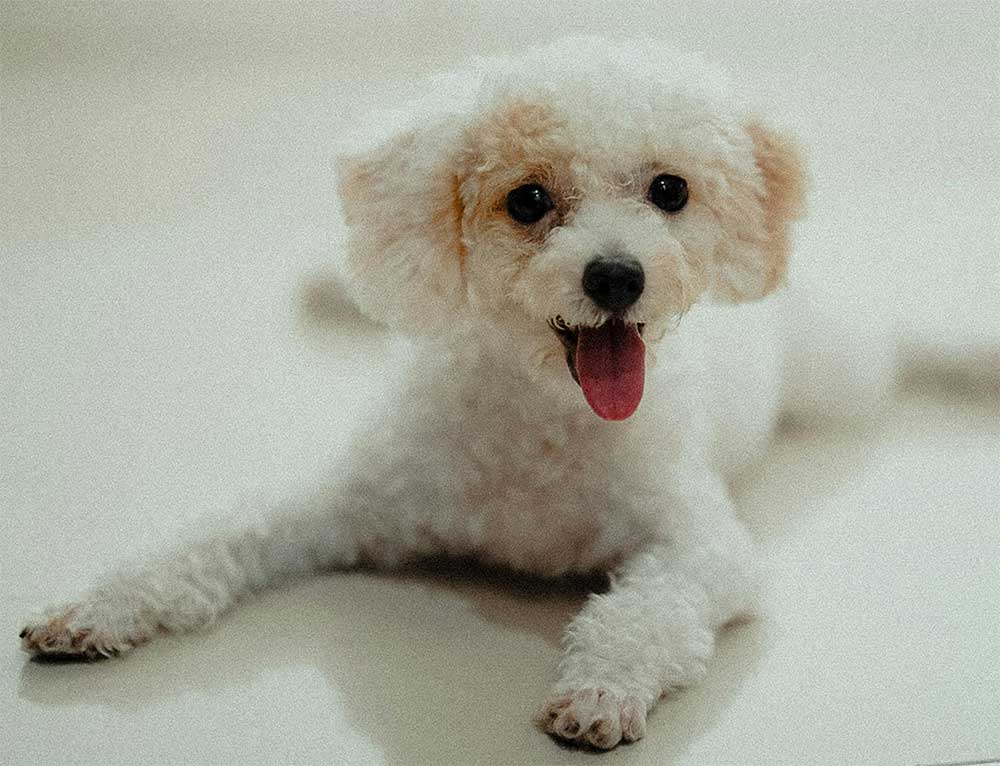
Embarking on a dog training journey is a rewarding experience, but continuous learning is essential for success. This section provides valuable resources to support your training endeavors, from reputable websites and organizations to recommended books and advanced training options.This comprehensive guide expands upon the previous sections, offering further avenues for solidifying your knowledge and expertise. It emphasizes the importance of ongoing education and the valuable role of professional guidance in overcoming challenges and achieving advanced training goals.
Reputable Dog Training Websites and Organizations
Understanding the intricacies of dog behavior and training often necessitates exploring various perspectives. These resources provide in-depth insights and practical advice, enriching your understanding of canine communication and training methods.
- The American Kennel Club (AKC): The AKC is a leading authority on dog breeds, training, and responsible pet ownership. Their website offers a wealth of information, including breed standards, training resources, and articles on dog behavior.
- The Association of Professional Dog Trainers (APDT): The APDT is a professional organization dedicated to advancing dog training. Their site provides access to certified trainers, resources for responsible training practices, and information on canine behavior.
- The International Association of Canine Professionals (IACP): The IACP promotes the responsible and ethical handling of dogs, and their site offers a range of training resources, including articles, videos, and workshops. They also provide access to certified professionals.
Recommended Books about Dog Training
Investing in quality literature on dog training can significantly enhance your understanding and application of various techniques. These books offer practical guidance and valuable insights into different training styles.
- “Dog Training for Dummies” by Jean Donaldson: This comprehensive guide offers a structured approach to training, addressing various dog behaviors and providing clear instructions for effective training. It covers a wide range of dog breeds and personalities.
- “The Art of Raising a Puppy” by Dr. Sophia Yin: This book provides a comprehensive guide to raising a healthy and well-behaved puppy, covering crucial topics like socialization, potty training, and addressing common behavioral issues.
- “How to Raise the Perfect Dog” by Karen Pryor: This book focuses on the science of operant conditioning, highlighting positive reinforcement methods in dog training. It offers insights into how to effectively teach and modify behaviors.
Additional Resources for Advanced Dog Training
As your dog’s training progresses, you may seek more specialized resources. Advanced training often involves addressing specific behaviors or achieving complex tasks, necessitating specialized knowledge and techniques.
- Dog Agility Courses: Participating in agility courses can provide a structured environment for challenging your dog physically and mentally. It promotes coordination, obedience, and problem-solving skills.
- Obedience Competitions: Participating in obedience competitions can help you refine your training skills and introduce advanced commands and behaviors. It provides structured learning opportunities and challenges for both you and your dog.
- Dog Scent Work: Engaging in scent work can enhance your dog’s olfactory abilities and provide mental stimulation. It involves teaching your dog to locate specific scents, requiring a high level of focus and problem-solving.
The Role of Professional Dog Trainers
Professional dog trainers possess specialized knowledge and experience in handling a wide range of canine behaviors. They can provide tailored guidance and support, particularly when facing challenging situations or encountering specific behavioral issues.
- Tailored Training Plans: Professional trainers can create customized training plans based on your dog’s specific needs and personality. This individualized approach often leads to faster and more effective results.
- Addressing Behavioral Issues: Professional trainers are well-equipped to diagnose and address complex behavioral problems such as aggression, fear, or anxiety. They often use advanced techniques to effectively modify behaviors.
- Advanced Training Techniques: Professional trainers can introduce and guide your dog through advanced training techniques, such as scent work, agility, or competitive obedience, maximizing your dog’s potential.
Dog Training Organizations and Contact Information
This table provides contact information for several reputable dog training organizations, enabling you to seek further assistance and support.
| Organization | Website | Contact Information |
|---|---|---|
| American Kennel Club (AKC) | akc.org | (XXX) XXX-XXXX |
| Association of Professional Dog Trainers (APDT) | apdt.org | (XXX) XXX-XXXX |
| International Association of Canine Professionals (IACP) | iacp.org | (XXX) XXX-XXXX |
Final Summary

In conclusion, mastering the “sit” command is a rewarding experience for both you and your dog. By understanding canine behavior, employing effective training techniques, and adapting to different environments, you can foster a strong and positive relationship while building your dog’s obedience. This guide provides a robust framework for success, empowering you with the tools to confidently navigate the training process and achieve exceptional results.
Remember, consistency and patience are key to a rewarding training journey.