Mastering the “down” command is a fundamental aspect of positive dog training. This comprehensive guide provides a structured approach, encompassing essential techniques and strategies for success. From initial training steps to advanced exercises and handling distractions, we’ll equip you with the knowledge and tools to effectively teach your dog this crucial obedience command.
This guide delves into the various stages of training, emphasizing positive reinforcement and consistency. Understanding your dog’s learning style and motivations will be key to successful training outcomes. We’ll also address common challenges and provide solutions to ensure a smooth and rewarding training experience for both you and your canine companion.
Understanding the “Down”
The “down” command is a fundamental aspect of canine obedience training, teaching dogs to assume a prone position on command. This command serves various purposes, from promoting safety in traffic-prone areas to demonstrating good manners in public spaces. A well-trained dog exhibiting a reliable “down” will exhibit respect for boundaries and authority, contributing to a harmonious relationship between dog and owner.The “down” command is not a single, monolithic instruction.
Variations in its application cater to different training goals and individual dog characteristics. Understanding these nuances allows for more effective and tailored training strategies.
Variations of the “Down” Command
Understanding the different variations of the “down” command allows for a more nuanced and effective training approach. Different variations may be necessary depending on the dog’s experience level, size, and breed.
- Basic “Down”: This is the fundamental form, requiring the dog to lie down on command. This often starts with enticing the dog to lie down using a treat, then pairing it with the verbal command.
- “Down Stay”: Building on the basic “down,” this variation introduces the concept of holding the position for a specified duration. Increasing the duration gradually builds the dog’s patience and focus.
- “Down on Recall”: This variation combines the “down” command with a recall. The dog is asked to lie down while also being recalled to the owner. This variation enhances the dog’s ability to respond to commands in various contexts.
Importance of Consistent Cues and Hand Signals
Consistency in cues and hand signals is crucial for effective “down” training. Inconsistency confuses the dog and hinders learning. Clear and consistent communication sets a strong foundation for obedience.
- Verbal Cues: Using the same word (“down”) consistently ensures the dog associates the word with the desired action.
- Hand Signals: A consistent hand signal, such as extending your hand downward, strengthens the association between the visual cue and the desired behavior.
- Visual Cues: Using your body language, such as moving your hand towards the ground, can also act as a visual cue. Consistency is paramount in ensuring the dog understands the expected action.
Positive Reinforcement in Training
Positive reinforcement is a cornerstone of effective “down” training. It involves rewarding desired behaviors to encourage their repetition.
- Rewards: Treats, praise, or toys are commonly used rewards. Choosing rewards that motivate your dog is essential.
- Timing: Rewards must be given immediately following the desired behavior (lying down) to reinforce the association.
- Consistency: Consistent use of positive reinforcement creates a positive learning environment, fostering a strong bond between dog and owner.
Initial Training Steps
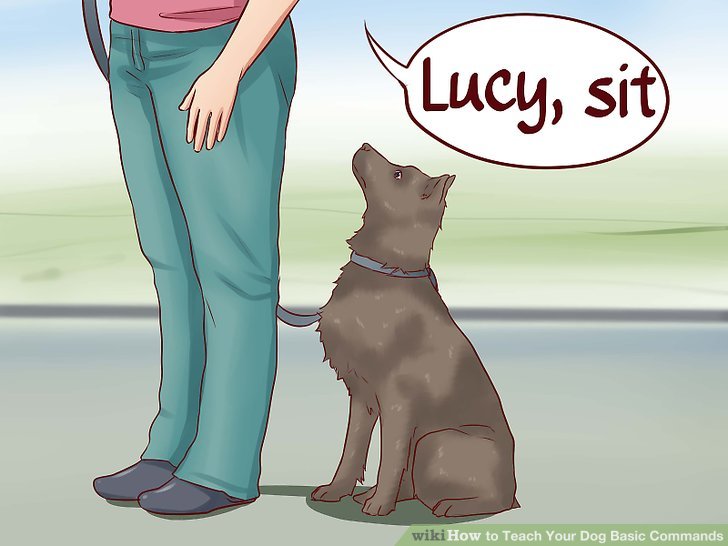
Introducing the “down” command to your dog requires a structured approach, combining positive reinforcement and clear communication. This phase focuses on building a strong association between the cue and the desired behavior. Consistency and patience are key elements in achieving success.Effective training hinges on understanding your dog’s motivations and learning style. A well-designed training plan, combined with the right tools and techniques, will ensure a positive and rewarding experience for both you and your canine companion.
Essential Equipment
A successful training session requires the right tools. Essential items include high-value treats, a six-foot leash, and a comfortable collar or harness. The treats should be small, flavorful, and easily digestible. The leash should be sturdy enough to control your dog without causing discomfort. The collar or harness should fit properly and comfortably.
Step-by-Step Procedure
Begin by luring your dog into the down position using the treat. Hold the treat near your dog’s nose and slowly move it towards the ground, encouraging the dog to follow the treat. As their body lowers, say “Down” clearly and reward the dog immediately when they reach the desired position. Repeat this process multiple times, ensuring consistent reinforcement.
Basic Cues
Introduce verbal cues, like “Down,” to associate the word with the action. As your dog learns to perform the down command reliably, reduce the lure to a small hand gesture, followed by the cue. Ensure the cue is consistent across all training sessions.
Training Plan Progression
A structured plan for progression is crucial. Start with short training sessions, gradually increasing the duration as your dog demonstrates understanding. Introduce distractions gradually, such as toys or other people, to test your dog’s focus. The following table Artikels a sample progression from basic to advanced levels:
| Level | Description | Distractions |
|---|---|---|
| Basic | Dog reliably performs “Down” on command with a lure. | Minimal (e.g., a stationary object). |
| Intermediate | Dog performs “Down” on command without a lure, but with consistent reward. | Moderate (e.g., a familiar person). |
| Advanced | Dog performs “Down” on command without a lure, in the presence of significant distractions. | High (e.g., multiple people, objects, or animals). |
Common Mistakes to Avoid
Pushing your dog too quickly can lead to frustration and confusion. Avoid using harsh corrections, as they can negatively impact the training process. Be patient and consistent in your approach.
- Using force or punishment during training. This can create fear and anxiety, hindering the learning process. Instead, focus on positive reinforcement.
- Inconsistency in commands. Using different cues for the same behavior will confuse your dog. Maintain a consistent verbal cue.
- Inadequate reward. If the reward is not valuable enough to the dog, they may not be motivated to perform the desired behavior.
- Giving up too soon. Training takes time and patience. Persistence is key to achieving success.
Engaging Training Techniques

Successfully teaching a dog the “down” command relies not only on clear instructions but also on engaging techniques that motivate and encourage the animal. A positive and rewarding approach is crucial for building a strong bond and fostering a positive learning experience for both you and your canine companion. This section delves into methods for motivating your dog, incorporating luring and shaping, and recognizing signs of frustration or overwhelm during training.Effective training methods are critical for a successful learning experience, not only in teaching the “down” command but in all aspects of canine training.
Using positive reinforcement and a structured approach minimizes the potential for negative associations with training and promotes a positive learning environment.
Motivating Your Dog with High-Value Rewards
A dog’s motivation is intrinsically linked to the value of the reward. High-value treats, such as small pieces of cooked meat or special dog biscuits, hold significant appeal for most dogs, making them powerful motivators during training. The dog’s inherent desire to receive these treats can significantly enhance their eagerness to perform the desired behavior. It’s essential to choose treats that your dog finds highly rewarding.
Experimentation is key; different dogs have different preferences.
Applying Luring and Shaping Techniques
Luring involves using a treat to guide the dog into the desired position. By holding the treat just out of reach and moving it in the direction you want the dog to go, you can gently encourage the dog to follow the treat and assume the “down” position. This technique is especially helpful in the initial stages of training when the dog is learning the specific body posture required.Shaping, on the other hand, involves rewarding successive approximations of the desired behavior.
Initially, you might reward any movement that brings the dog closer to the down position. As the dog gets better at understanding what you want, you progressively increase the requirements for a reward, ultimately refining the behavior to the precise “down” position. Combining luring and shaping often yields the best results, as luring gets the dog started, and shaping helps refine the behavior over time.
Recognizing Signs of Frustration and Overwhelm
Dogs, like humans, can experience frustration or overwhelm during training sessions. Pay close attention to signs such as: avoidance of the training area, excessive barking, growling, or other signs of anxiety. A dog that becomes overly stressed may exhibit repetitive behaviors or become unresponsive.
Addressing Anxiety and Fear During Training
If your dog exhibits signs of anxiety or fear during training, it’s crucial to adapt your approach. Create a calm and reassuring environment, minimizing distractions. Short training sessions are key, ensuring the dog does not become overwhelmed. Break down the training into smaller, more manageable steps, focusing on positive reinforcement and avoiding pressure. If the dog shows signs of distress, take a break and return to training later when the dog is calmer.
Consider consulting with a certified professional dog trainer if the issues persist.
Handling Distractions
Successfully teaching a dog the “down” command involves more than just a quiet, controlled environment. Dogs are highly perceptive creatures, easily swayed by external stimuli. This section details methods for gradually introducing and managing distractions, ensuring your dog maintains focus on the desired command.
Distraction Scenarios
Gradual exposure to increasing distractions is crucial for building a dog’s focus. The following table Artikels progressively more challenging training scenarios, highlighting the increasing complexity of stimuli.
| Scenario | Distraction Level | Examples |
|---|---|---|
| Basic Training | Low | Quiet room, familiar handler |
| Intermediate Training | Medium | Familiar people, low-level noises (e.g., gentle music) |
| Advanced Training | High | Other dogs, unfamiliar people, loud noises (e.g., construction), busy environment |
| Extreme Training | Very High | Very crowded areas, multiple dogs, loud and sudden noises |
Methods for Maintaining Focus
Several techniques can be employed to teach a dog to ignore distractions and maintain focus on the “down” command. Consistency, positive reinforcement, and clear communication are key elements.
- Controlled Introductions: Gradually introduce distractions in a controlled manner. Start with minimal distractions and slowly increase the intensity. This allows the dog to adapt and build resilience to outside stimuli.
- Positive Reinforcement: Rewarding the dog for maintaining the “down” position when a distraction is present reinforces desired behavior. Using high-value treats or praise can strengthen the association between focus and reward.
- Distraction Management Techniques: Employ strategies to manage distractions. Using a treat-dispensing toy or a clicker can help to divert the dog’s attention back to the handler. Employing distractions as rewards is not encouraged.
- Desensitization and Counter-Conditioning: Systematic desensitization involves gradual exposure to distractions, paired with positive reinforcement. Counter-conditioning re-associates the distraction with a positive experience, gradually lessening the dog’s anxiety or fear.
Training Exercises
Practical exercises help build a dog’s focus in various environments. The key is to maintain consistency and use positive reinforcement to encourage continued focus.
- Controlled Environment Practice: Start in a quiet, controlled environment, then gradually introduce a low-level distraction, such as a familiar person walking by. Reinforce the “down” command consistently.
- Practice in Different Locations: Gradually transition training sessions to different locations, increasing the level of distractions as the dog demonstrates mastery. This includes parks, dog parks, or even the local dog walking area.
- Distraction Exercises: Create exercises that introduce distractions during the “down” command, for example, having a friend approach while the dog is in the down position. Reward the dog for maintaining the position.
Systematic Desensitization
Desensitization involves exposing the dog to the distraction in a controlled, gradual manner. A systematic approach involves:
- Identifying the Distraction: Precisely identify the distraction (e.g., other dogs, loud noises). This step is crucial to developing a specific desensitization plan.
- Establishing a Baseline: Determine the dog’s initial reaction to the distraction. A baseline allows for monitoring progress.
- Gradual Exposure: Start with minimal exposure to the distraction, gradually increasing the intensity or duration as the dog shows tolerance.
- Positive Reinforcement: Rewarding the dog for calm behavior in the presence of the distraction is crucial to the success of desensitization.
Reinforcement and Consistency
Positive reinforcement is crucial for building a strong bond with your dog and ensuring the “down” command is learned effectively. By focusing on rewarding desired behaviors, you create a positive learning environment where your dog is motivated to repeat the command. Consistent application of the command, along with appropriate timing of rewards, will solidify the learning process and enhance your dog’s understanding of the desired behavior.
Positive Reinforcement Methods
Consistent positive reinforcement methods are essential for a successful training program. These methods create a positive association with the desired behavior, increasing the likelihood of repetition.
- Treats: High-value treats, such as small pieces of meat, cheese, or special dog biscuits, can serve as powerful motivators. These treats should be readily available and easily accessible during training sessions. Consider using different types of treats to maintain interest and avoid satiation.
- Praise: Verbal praise, such as “good boy” or “good girl,” coupled with petting or a gentle scratch, is another valuable reinforcement method. The tone of your voice should be enthusiastic and encouraging. Pairing praise with treats further strengthens the association.
- Toys: Engaging toys can be used as rewards, especially for dogs who are highly motivated by play. This can be particularly effective when used in conjunction with treats or praise.
- Play: Short bursts of play, like a game of fetch or tug-of-war, can be incorporated as a reward after successful completion of the “down” command. This approach is effective for highly energetic dogs who respond well to physical activity.
Importance of Consistency
Consistency in verbal cues and hand signals is paramount for effective communication. A consistent approach helps your dog understand the exact behavior you expect, eliminating confusion and ensuring reliable results.
- Verbal Cues: Always use the same word or phrase to indicate the “down” command. Avoid using variations, as this can lead to confusion. Consistency in verbal cues will create a clear association with the desired action.
- Hand Signals: Employ a specific hand signal consistently to accompany the verbal cue. For example, a hand gesture downwards can indicate the “down” command. This visual cue provides additional clarity for the dog.
Timing of Rewards
Timing is critical in delivering rewards for the “down” command. The reward must be given immediately after the dog achieves the desired position.
Rewarding the dog immediately after the desired behavior creates a strong association in the dog’s mind between the action and the reward.
Prompt and consistent reward timing strengthens the learning process and ensures your dog understands the expected behavior.
Gradually Increasing Difficulty
Gradually increasing the difficulty of training sessions is vital for progressing to more complex scenarios. Start in a quiet environment, and then gradually introduce distractions.
- Controlled Environment: Begin training in a quiet and distraction-free area, such as a living room or a fenced backyard. This allows the dog to focus solely on the command.
- Controlled Distractions: Gradually introduce controlled distractions, such as a soft toy or a friend. Start with minimal distractions and gradually increase their intensity and complexity.
- Progressive Scenarios: Introduce more challenging scenarios by increasing the intensity of distractions, like a loud noise or more people in the area. This progression will help the dog generalize the command across various environments.
Troubleshooting Common Issues
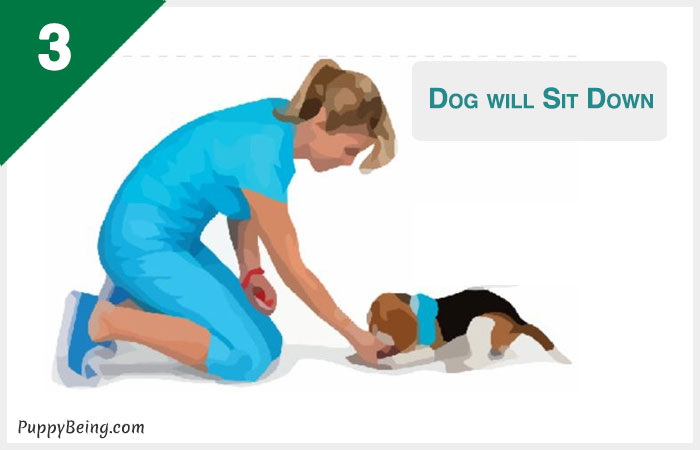
Even with the best training methods, some challenges may arise when teaching a dog the “down” command. Understanding the potential obstacles and possessing effective solutions is crucial for successful training. Addressing these issues with patience, consistency, and a nuanced understanding of your dog’s personality can lead to significant improvements in your training journey.Troubleshooting involves recognizing and resolving issues such as a dog’s lack of focus, resistance, or a failure to understand the command.
Each dog is unique, requiring tailored strategies for effective learning. Adapting your approach to accommodate individual learning styles, as well as selecting appropriate reward systems, is essential for achieving desired outcomes.
Lack of Focus
Maintaining a dog’s focus during training is critical. Distractions, both internal and external, can disrupt the learning process. A dog easily distracted may fail to comprehend the command or follow through on the instructions. To address this, a trainer can employ techniques to create a more focused environment. This might include reducing the number of distractions, working in quiet areas, and using high-value treats to capture and maintain attention.
Utilizing short training sessions and incorporating frequent breaks can also help maintain concentration.
Resistance to the Command
Some dogs may exhibit resistance to the “down” command. This could stem from various factors, including fear, anxiety, or a lack of understanding of the desired behavior. Recognizing the root cause is vital to developing an effective solution. For instance, a fearful dog might require a gradual introduction to the command, using positive reinforcement and creating a comfortable environment.
If resistance is due to a lack of understanding, a trainer can break down the command into smaller, achievable steps, offering positive reinforcement at each stage.
Individual Dog Personalities and Learning Styles
Dogs possess diverse personalities and learning styles. A trainer needs to adapt their methods to cater to each dog’s individual needs. For example, some dogs respond better to visual cues, while others respond better to verbal cues. Some dogs learn quickly, while others may require more time and repetition. It is important to recognize these differences and tailor your training approach accordingly.
Experimenting with various techniques to determine what resonates with your dog is a key component of effective training.
Reward Systems
Selecting the right reward system is crucial for effective training. Different reward systems can influence a dog’s motivation and learning effectiveness. For instance, food rewards can be highly effective for many dogs, providing a tangible incentive. However, some dogs may be more motivated by praise, petting, or toys. Using a combination of rewards can also prove effective.
Experimentation is key to determining which reward system best motivates your dog and maintains a high level of engagement. By carefully considering the reward system, you can enhance the dog’s motivation and accelerate learning.
Advanced Training Exercises
Building upon the foundational “down” command, advanced exercises refine your dog’s understanding and obedience, making them more reliable in various environments. These exercises challenge your dog’s focus and responsiveness, requiring increased mental engagement and a deeper understanding of the command. Advanced training is not just about rote obedience; it’s about building a strong bond and enhancing communication between you and your canine companion.
Advanced “Down” Exercises
Mastering the “down” command in various settings is crucial for more complex obedience training. These exercises build upon the basic “down” command, introducing distractions and new elements to test your dog’s focus and understanding. These exercises will not only make your dog more obedient but also increase their mental stimulation.
- Down Stay with Distractions: Gradually introduce distractions like toys, other dogs, or people while maintaining the “down” stay. Start with minimal distractions and gradually increase the complexity. Positive reinforcement is vital to keep your dog engaged and focused throughout the exercise.
- Down on Command from Different Angles: Practice the “down” command from different positions and angles, including from behind or the side. This helps your dog understand that the command is applicable in various situations, improving their response consistency.
- Down Recall: Combine the “down” command with a recall command. For example, tell your dog “down” and then “come” to test their understanding of the combined commands. This is a more advanced exercise requiring a higher level of focus and responsiveness.
- Down Through Tunnels or Obstacles: Introduce tunnels or obstacles to the training environment. Guide your dog through the tunnel or obstacle while maintaining the “down” position. Ensure that the environment is safe and that your dog is comfortable. Praise your dog for successfully completing the exercise.
Comparing Advanced “Down” Exercises
This table provides a comparison of the different advanced exercises, highlighting their complexities and required elements.
| Exercise | Complexity | Distractions | Required Skills |
|---|---|---|---|
| Down Stay with Distractions | Moderate | Increasing | Focus, Impulse Control |
| Down on Command from Different Angles | Moderate | Minimal | Understanding of Command, Spatial Awareness |
| Down Recall | High | Moderate | Focus, Recall Ability, Understanding of Combined Commands |
| Down Through Tunnels or Obstacles | High | Minimal | Focus, Patience, Spatial Awareness, Obedience |
Incorporating “Down” into Complex Obedience Exercises
The “down” command is a fundamental component of many complex obedience exercises. It provides a stable position for commands like “stay,” “leave it,” and “come.” It’s important to ensure your dog understands the command thoroughly before incorporating it into these more complex exercises.
Play and Reward in Advanced Training
Play and reward are essential for motivating a dog during advanced training. Using play-based reinforcement can make the training experience more engaging and enjoyable for your dog. This motivates them to continue learning and participating in the training process. Avoid forcing the dog; instead, focus on positive reinforcement and making the training fun. Rewards should be tailored to the dog’s preferences, ensuring their motivation remains high throughout the process.
Examples include high-value treats, praise, or even a favorite toy.
Visual Aids and Examples
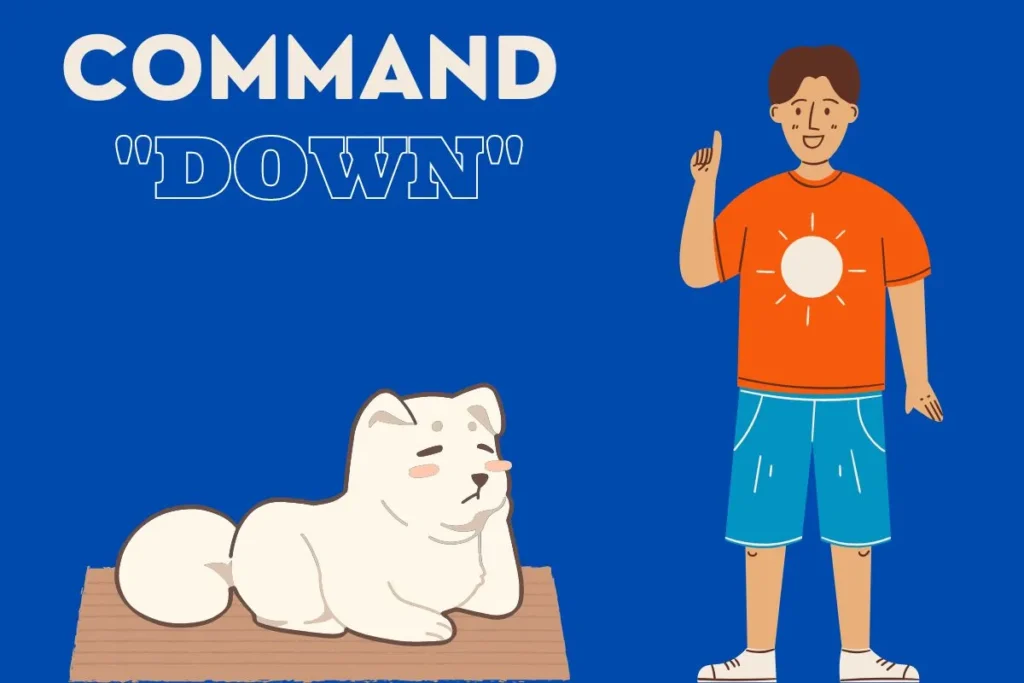
Visual aids are crucial for effective dog training, especially when teaching complex commands like “down.” Clear visual cues, combined with consistent verbal commands, greatly enhance the learning process. Visual demonstrations, alongside tailored training environments, significantly improve a dog’s understanding and responsiveness.Understanding the “down” command requires both verbal instructions and clear visual signals. By providing visual cues, trainers can bridge the gap between the spoken word and the desired action, making the learning process smoother and more efficient for the dog.
The visual cues, coupled with consistent reinforcement, accelerate the learning process and ensure that the dog comprehends the command effectively.
Visual Cues and Hand Signals
Visual cues, along with verbal commands, form a comprehensive training strategy. Using clear and consistent hand signals complements verbal instructions, reinforcing the command’s meaning. This approach ensures the dog understands the desired action beyond just the spoken word. The table below illustrates various visual cues and hand signals for the “down” command.
| Visual Cue | Hand Signal Description | Illustration Description |
|---|---|---|
| Hand-Down | Palm facing downward, hand extended towards the ground. | Imagine a hand positioned horizontally, with the palm facing down, as if guiding the dog to lower its body. |
| “Down” Gesture | Hand lowered towards the ground, fingers spread out, indicating a downward movement. | The hand is lowered towards the ground, with fingers slightly spread. The hand movement should be clear and deliberate, visually indicating the desired action. |
| Pointing Down | Pointing a finger or index finger towards the ground, with the other hand maintaining a calm posture. | A single finger is pointed directly towards the ground, conveying the “down” command with a clear and concise gesture. |
Training Environments
The training environment significantly impacts a dog’s learning. Tailoring the environment to the dog’s comfort and familiarity with the surroundings is paramount. Understanding the environment’s influence on a dog’s focus is crucial.
- Indoors: Start training in a quiet, distraction-free room, gradually introducing more stimulation as the dog progresses. Use soft, carpeted surfaces to minimize the impact of movements.
- Outdoors: Begin in a controlled outdoor environment with limited distractions, like a fenced yard. As the dog masters the command, gradually increase the complexity of the environment, introducing more stimulating elements.
- Different Terrains: Practice on different terrains, like grass, concrete, and even sand. This helps the dog understand the command across various surfaces.
Stages of Learning
Visual demonstrations of different stages in learning the “down” command provide a valuable insight into the training process.
- Initial Stage: The dog may initially struggle to understand the command. Visual cues, such as the trainer’s hand positioned to indicate “down,” and verbal commands are crucial during this phase.
- Intermediate Stage: The dog starts exhibiting more consistent responses. The visual cues and verbal commands become more precise and consistent. The dog begins to understand the correlation between the signals and the desired action.
- Advanced Stage: The dog reliably performs the “down” command in various environments, demonstrating a strong understanding of the command and visual cues.
Motivational Techniques
Positive reinforcement is key to motivating a dog during training. Understanding a dog’s natural drive and incorporating positive rewards is essential.
- Treats: High-value treats are a powerful motivator. Use small, tasty treats to reward successful “down” commands. Select treats that are irresistible to the dog.
- Praise and Affection: Positive verbal praise and gentle petting are effective ways to reinforce desired behavior.
- Toys: Engaging toys can motivate a dog. Use toys as rewards, especially if the dog is highly motivated by play.
Last Point
In conclusion, teaching your dog the “down” command is a rewarding journey that strengthens the bond between you and your pet. By understanding the nuances of canine learning, implementing consistent techniques, and addressing potential obstacles, you can successfully guide your dog through the stages of training. This comprehensive guide offers a roadmap to achieve lasting obedience and a positive training experience.