Successfully socializing a dog with other dogs is crucial for its overall well-being and harmonious coexistence. A well-socialized dog is more likely to be confident, friendly, and adaptable in various social situations. This comprehensive guide delves into the intricacies of dog socialization, offering practical strategies for creating a positive and enriching experience for your canine companion.
From understanding the fundamental principles of socialization to addressing specific challenges, this guide provides a structured approach to ensure a positive and safe experience for all dogs involved. It emphasizes the importance of gradual exposure, positive reinforcement, and creating a supportive environment for successful interactions.
Introduction to Socialization
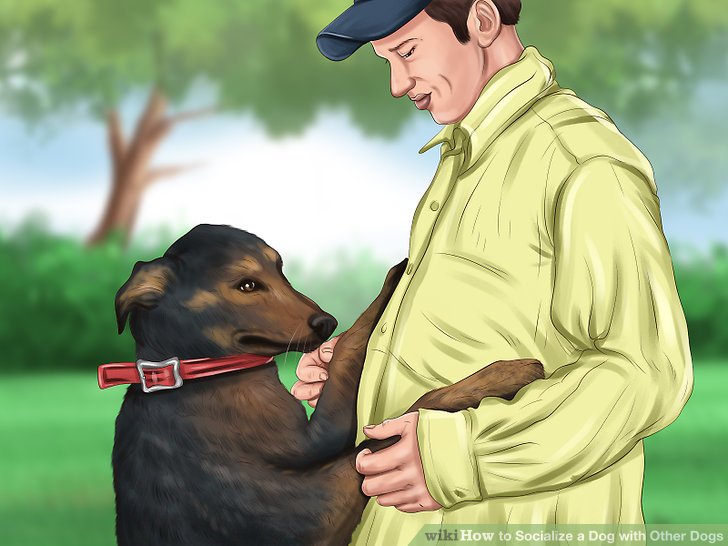
Dog socialization is the process of exposing a dog to various people, animals, environments, and situations from a young age. This exposure helps shape their behavior and teaches them how to interact appropriately with the world around them. A well-socialized dog is typically more confident, adaptable, and less likely to exhibit fear-based aggression or other problematic behaviors.Early socialization is crucial for a dog’s development, impacting their future interactions and temperament.
The period of greatest sensitivity for socialization typically occurs during the first 16 weeks of a puppy’s life. Experiences during this critical period can have a profound and lasting effect on their adult behavior. Positive and controlled exposure to diverse stimuli during this time is essential for preventing behavioral problems later on.
Importance of Early Socialization
Early socialization is critical for shaping a dog’s future behavior. Puppies learn social cues and acceptable behavior from interactions with other dogs, people, and environments. This learning lays the groundwork for a well-adjusted adult dog. Dogs lacking proper socialization may develop anxiety, fear, or aggression, leading to difficulties in various social situations. For example, a dog not exposed to other dogs might become fearful or aggressive when encountering them in the future.
Socialization Stages Overview
A dog’s socialization process can be broken down into different stages, each with specific focus and challenges. Understanding these stages helps owners tailor their approach to maximize positive outcomes.
| Stage | Focus | Typical Age Range | Key Considerations |
|---|---|---|---|
| Early Puppy (0-4 months) | Basic trust and comfort with humans and gentle handling | 0-12 weeks | Gentle handling, exposure to various people, and controlled interactions with other dogs are vital. |
| Socialization (4-12 months) | Exposure to diverse environments, people, and animals | 3-6 months | Structured playdates with friendly dogs, visits to parks, and controlled exposure to various sights, sounds, and smells. |
| Refinement (12 months and beyond) | Maintaining and refining learned behaviors | 12 months+ | Continued positive interactions and exposure to new situations to build confidence and adaptability. |
Proper socialization, initiated early and maintained consistently, can lead to a dog that is well-adjusted, confident, and happy. These well-adjusted dogs are better able to cope with various situations, from everyday encounters to stressful events.
Identifying Potential Problems
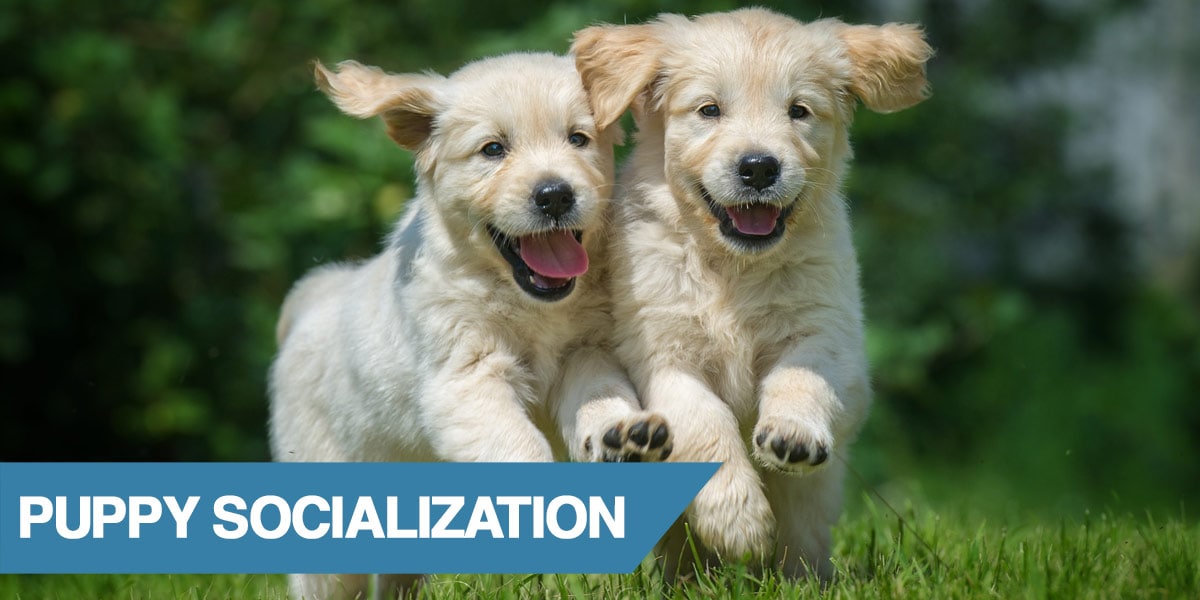
Socializing a dog with other dogs can be a rewarding experience, but it’s crucial to be prepared for potential challenges. Understanding the signs of discomfort, fear, aggression, or anxiety in dogs is paramount to ensuring a positive and safe interaction. Careful observation and a proactive approach are key to mitigating potential problems and promoting harmonious interactions.Recognizing and addressing these issues early on is essential to preventing escalation and fostering a positive experience for all dogs involved.
By understanding canine body language and common behavioral challenges, dog owners can effectively navigate these situations, creating a more secure and positive social environment for their canine companions.
Common Socialization Issues
Problems during canine socialization can manifest in various ways. Dogs may exhibit fear, aggression, or anxiety, potentially stemming from past negative experiences or inherent temperament. These issues can range from mild apprehension to severe reactions. It is important to note that not all dogs will react the same way, and individual differences should be considered.
- Fear and apprehension are common responses to unfamiliar dogs. A fearful dog might exhibit signs of avoidance, such as backing away or hiding. They might also display signs of physical distress, such as panting, trembling, or whale eye.
- Aggression, although less common, can arise during social interactions. Aggressive dogs might display growls, snarls, or snapping, potentially escalating to more serious behaviors like biting. Understanding the specific triggers is crucial to addressing the problem.
- Anxiety, another common response, can manifest as excessive barking, whining, or pacing. A dog experiencing anxiety might also show signs of self-soothing behaviors, such as licking or chewing. These behaviors can vary in intensity, from subtle to severe, and are often related to stress.
Dog Body Language Signals
Understanding dog body language is crucial for interpreting their emotional state during social interactions. Each dog communicates through subtle cues, and careful observation is key to identifying potential problems. A detailed understanding of these cues can prevent misinterpretations and help facilitate positive interactions.
- A dog exhibiting a lowered posture, tucked tail, and ears flattened against the head is likely experiencing fear or anxiety. This is a classic sign of discomfort or apprehension around other dogs. Conversely, a dog with a high, rigid posture, ears pricked, and tail held high might be exhibiting aggression or confidence.
- A dog showing signs of yawning, lip licking, or whale eye (a blank stare with the whites of the eyes visible) could indicate stress or discomfort. These subtle cues can be indicators of a need for space or a sign of anxiety.
- Tail wags can be a mixed signal. A slow, low-amplitude wag might indicate apprehension, while a rapid, high-amplitude wag can signal excitement or even aggression. The context of the wag is crucial to its interpretation.
Detailed Dog Body Language Interpretation Table
| Body Language Signal | Possible Interpretation | Example Scenario |
|---|---|---|
| Ears flattened against head | Fear, anxiety, or submission | A dog with its ears pressed against its head during an encounter with another dog is likely feeling apprehensive. |
| Tail tucked between legs | Fear, anxiety, or submission | A dog with its tail tucked between its legs is exhibiting a clear sign of fear or submission, potentially indicating a need for space. |
| Lip licking, yawning | Stress, anxiety, or discomfort | A dog frequently lip licking or yawning during a social interaction might be experiencing stress or anxiety related to the encounter. |
| Growls, snarls, snapping | Aggression | A dog exhibiting growls, snarls, or snapping is displaying clear signs of aggression. Immediate intervention is required. |
| Play bow | Playful interaction | A dog exhibiting a play bow is indicating a desire to play with another dog. |
Creating a Safe Socialization Environment
Safe and controlled environments are crucial for successful dog socialization. A structured approach, emphasizing gradual exposure and positive reinforcement, significantly minimizes the risk of negative interactions and fosters positive associations with other dogs. A responsible handler plays a vital role in guiding these encounters, ensuring the safety and well-being of all dogs involved.The process of socializing dogs involves careful planning and execution to ensure that the experience is both positive and productive.
A well-structured environment allows for controlled interactions, promoting the development of appropriate social skills. Positive reinforcement techniques are essential for building confidence and trust in new situations, while minimizing stress and fear responses.
Gradual Exposure and Positive Reinforcement
Gradual exposure is a cornerstone of successful dog socialization. Instead of overwhelming a dog with multiple, complex interactions, introduce new dogs or situations slowly and incrementally. Start with brief, positive encounters, reinforcing calm and appropriate behaviors. This approach builds confidence and minimizes the likelihood of negative experiences. Positive reinforcement techniques, such as rewarding calm behaviors with treats, praise, or toys, reinforce the positive aspects of interaction, making the dog more receptive to future encounters.
This gradual introduction minimizes stress and fear, fostering a positive learning environment. Examples include short supervised meetings in a neutral location, or controlled play sessions with minimal stimulation.
Role of a Responsible Handler
A responsible handler plays a critical role in managing the interactions between dogs during socialization sessions. Their presence ensures the safety and well-being of all involved. The handler should be observant, anticipating potential problems and intervening promptly to prevent escalation. Communication between handlers is crucial, facilitating coordinated actions to manage the interactions. This role includes recognizing signs of stress or discomfort in any dog and immediately intervening to create a calm environment.
Their actions directly influence the outcome of the socialization process.
Structured Step-by-Step Procedure for Introducing Dogs
A structured approach to introducing dogs facilitates positive interactions. A systematic procedure minimizes the potential for conflict and promotes the development of appropriate social skills. This procedure emphasizes the gradual introduction of dogs, allowing for controlled and manageable interactions.
- Initial Assessment: Before any introduction, thoroughly assess each dog’s temperament and energy level. This includes evaluating their individual histories and observing their current behavior. This crucial step allows for the creation of a safe and suitable introduction process.
- Neutral Meeting Place: Introducing dogs in a neutral location where neither dog has a territory or association is key to minimizing stress. This environment promotes an unbiased interaction, avoiding potential territorial disputes.
- Controlled Encounters: Begin with brief, supervised encounters. Keep the interactions short, initially, to allow both dogs to adjust. Observe their body language closely. This will give you an indication of how they react to each other and will help you to adjust the interaction accordingly. If any sign of aggression or stress appears, immediately separate the dogs.
- Positive Reinforcement: Consistently reward calm, positive interactions with praise and treats. This reinforces the desired behaviors and creates positive associations between the dogs.
- Gradual Increase in Interaction Time: Gradually increase the duration of the interactions as both dogs demonstrate a calm and appropriate response to each other. This allows for more complex social exchanges in a controlled manner.
- Supervision and Intervention: Constant supervision during these sessions is essential. A handler must be prepared to intervene immediately if any signs of aggression or discomfort appear. This is crucial for maintaining the safety of all involved.
Socialization Techniques
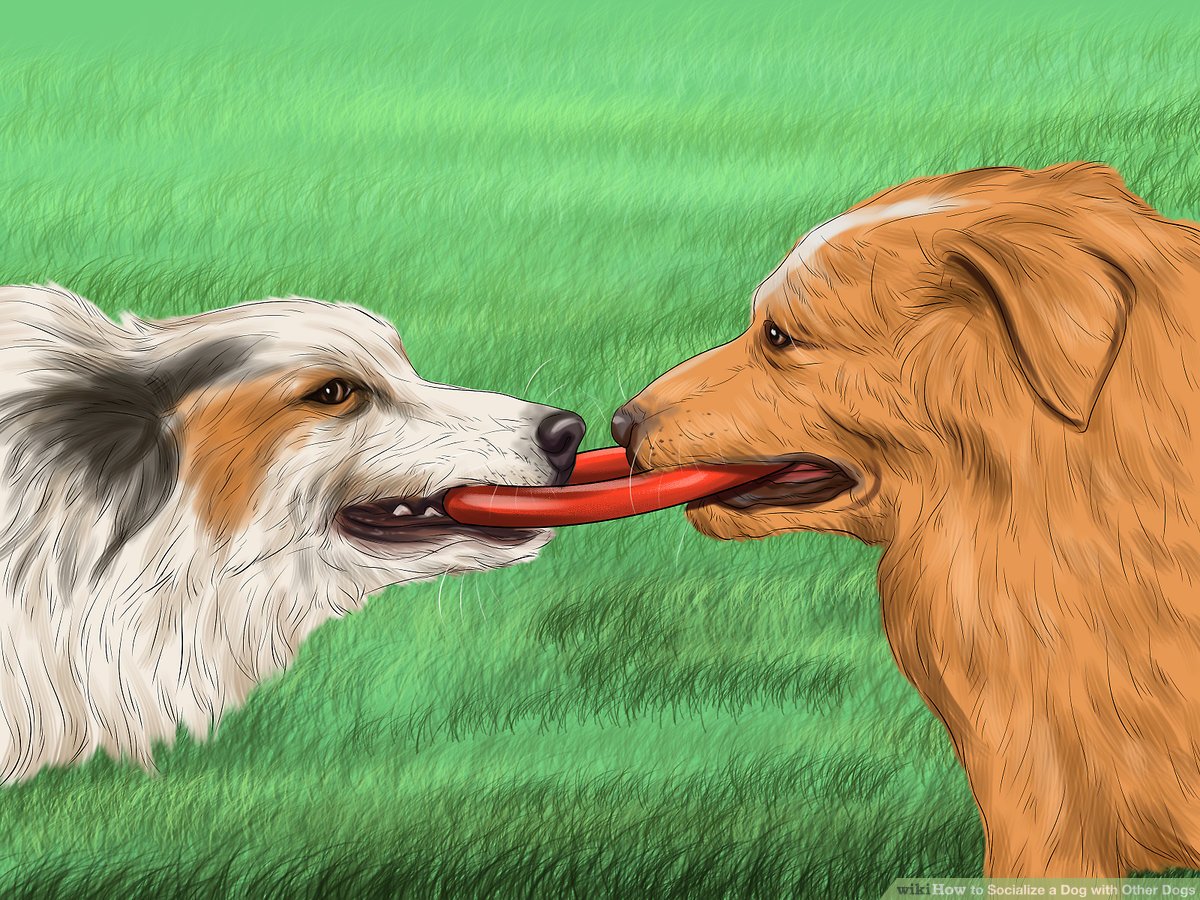
Successfully socializing a dog with other dogs requires a thoughtful and well-structured approach. This involves careful consideration of the dog’s temperament, the environment, and the methods employed. Understanding the different techniques and their potential impact is crucial for positive outcomes.Effective socialization is not a one-size-fits-all process. Different dogs react to various stimuli and methods in unique ways.
A flexible approach, adapting strategies based on the dog’s individual needs and responses, is essential for success.
Comparison of Socialization Methods
Various methods exist for socializing dogs with other dogs. Understanding the strengths and limitations of each method is critical to tailoring the approach to individual dogs. A comprehensive approach often involves a combination of methods.
- Controlled Encounters: This method involves carefully arranging supervised interactions between the dog and other dogs. A trained professional or experienced owner manages these interactions, ensuring the environment remains safe and controlled. This controlled environment allows for gradual exposure and helps minimize potential negative experiences.
- Play Dates: Organised play dates with compatible dogs in a familiar, safe environment can be highly effective. The presence of a familiar environment and other dogs that the dog has previously had positive interactions with will aid in the process.
- Gradual Exposure: This method involves gradually introducing the dog to more complex social situations and interactions. Starting with brief, controlled encounters and slowly increasing the duration and intensity of the interaction is vital. This allows the dog to adapt and build confidence progressively.
- Desensitization and Counter-conditioning: This technique is particularly valuable for fearful dogs. It involves gradually exposing the dog to stimuli that trigger fear responses while simultaneously pairing them with positive experiences. This helps to reshape the dog’s emotional response to the trigger, promoting a more positive association.
Effectiveness of Positive Reinforcement Training
Positive reinforcement training plays a pivotal role in dog socialization. By rewarding desired behaviors, such as calm interactions with other dogs, owners can encourage and reinforce positive social responses. This approach builds confidence and creates a positive association with social encounters. Avoidance of punishment or negative reinforcement is critical, as this can create fear and anxiety, hindering the socialization process.
Desensitization and Counter-conditioning for Fearful Dogs
For dogs exhibiting fear or anxiety during socialization, desensitization and counter-conditioning are crucial. This technique involves gradually exposing the dog to increasingly challenging stimuli associated with socialization (e.g., other dogs, loud noises) while simultaneously pairing these stimuli with positive reinforcement. This process helps reshape the dog’s emotional response to the triggers. Examples include using treats, praise, or toys to create a positive association with the fearful stimulus.
Managing and Redirecting Aggressive Behaviors
Aggressive behaviors during socialization require careful management and redirection. It is vital to understand the underlying cause of the aggression. Separation and careful management of the environment are crucial to reducing conflict. Redirecting the dog’s attention to a more appropriate activity can be helpful. If the aggression persists, professional guidance from a certified dog trainer or veterinarian is essential.
Ignoring or attempting to force interactions will likely exacerbate the problem.
Socialization Methods Table
| Socialization Method | Pros | Cons |
|---|---|---|
| Controlled Encounters | Safe, structured environment; allows for gradual exposure; owner/professional supervision | Can be time-consuming; may not be suitable for all dogs; requires preparation and planning |
| Play Dates | Fun and engaging; can foster positive social interactions; dogs learn from each other | Requires careful selection of compatible dogs; potential for conflict; needs supervision |
| Gradual Exposure | Builds confidence progressively; allows for adaptation; tailored to the dog’s needs | Requires patience and consistent application; may not be suitable for all dogs; slow process |
| Desensitization and Counter-conditioning | Effective for fearful dogs; creates positive associations; helps reshape emotional responses | Requires specialized training; can be challenging; may require professional guidance |
Addressing Specific Situations
Successfully socializing a dog with other dogs requires careful consideration of individual dog personalities and past experiences. Addressing specific situations, like aggression, fear, or differences in size and background, is crucial for positive outcomes. A tailored approach, built on understanding and patience, is essential for a harmonious canine social environment.
Handling Overly Aggressive Dogs
Overly aggressive dogs pose a significant challenge during socialization. Proactive measures are necessary to prevent escalation and ensure the safety of all dogs involved. A crucial first step involves professional consultation. A qualified veterinary behaviorist or certified dog trainer can provide personalized guidance, taking into account the dog’s specific triggers and history. These professionals can evaluate the dog’s aggression level and devise a tailored intervention plan.
Dealing with Fearful Dogs During Socialization
Fearful dogs often exhibit avoidance or defensive behaviors during socialization. Approaching these dogs with patience and understanding is paramount. Gradual exposure, in a safe and controlled environment, is key. A calm, reassuring demeanor from the handler is vital to alleviate the dog’s anxieties. Encouraging positive interactions, even if subtle, can be extremely beneficial.
Introducing Dogs of Different Sizes and Breeds
Introducing dogs of varying sizes and breeds requires a measured and cautious approach. The size difference can sometimes impact the dynamics of the interaction. A smaller dog might feel overwhelmed by a larger one, potentially leading to fear or anxiety. Careful observation and a phased introduction, starting with short, controlled encounters, are crucial to manage the interaction.
The environment should also be considered; a spacious, neutral area allows for more comfortable exploration and interaction.
Introducing Dogs with Prior Negative Experiences
Dogs with prior negative experiences may require a more gradual and sensitive approach to socialization. These dogs may exhibit fear or aggression as a result of past traumas. A slow and structured introduction is crucial. A supportive and calming environment will be essential to alleviate any anxiety. Consult with a veterinary behaviorist or certified dog trainer to devise a suitable socialization plan that considers the dog’s history.
These professionals are best equipped to understand the dog’s triggers and devise a safe and effective introduction process.
Introducing Already Familiar Dogs
Introducing dogs that are already familiar with each other requires a different approach. They may have pre-existing dynamics, which might influence their interaction. Observation is key. Monitor their body language and interactions closely. If signs of conflict or aggression emerge, immediate intervention is necessary to de-escalate the situation.
Provide a safe space for the dogs to interact and allow for a gradual increase in interaction time. This ensures that the interaction remains positive.
Maintaining Socialization
Socialization is not a one-time event; it’s an ongoing process crucial for a dog’s well-being and development. Just as children continue to learn and interact with their peers throughout their lives, dogs also benefit from ongoing socialization opportunities to refine their social skills and adjust to new encounters. A dog’s social life evolves, with new experiences and challenges emerging throughout their lifespan.Maintaining a dog’s social skills requires a proactive approach.
Consistent exposure to various dogs, environments, and people, combined with careful management of interactions, helps prevent social anxieties and promotes harmonious interactions. By understanding the importance of ongoing socialization, pet owners can better equip their canine companions to navigate the social world with confidence and resilience.
Importance of Continued Socialization Throughout a Dog’s Life
A dog’s social development is not confined to puppyhood. Throughout their lives, dogs continue to learn and adapt to new social situations. Ongoing socialization helps reinforce positive interactions, build confidence, and address potential anxieties that might arise. This includes encounters with diverse breeds, sizes, and temperaments, as well as exposure to varying environments and activities. Without continued socialization, a dog might become hesitant or fearful in new situations, impacting their overall quality of life.
Examples of Ongoing Socialization Activities
Providing consistent opportunities for controlled interactions with other dogs is vital. This could involve supervised playdates in a safe and neutral environment, attending dog parks (with caution and awareness of potential issues), or taking your dog to dog-friendly events or classes. Regular walks in varied locations also expose dogs to new sights, sounds, and other people, offering valuable socialization experiences.
Remember to prioritize safety and respect each dog’s individual comfort levels.
Handling Potential Setbacks During Socialization
Occasionally, dogs may experience setbacks during socialization. These setbacks can range from mild hesitancy to more significant fear or aggression. It’s essential to recognize these challenges and adapt your approach. Understanding the triggers and modifying the socialization environment can help your dog overcome these challenges. For example, if a dog displays signs of fear or anxiety, remove them from the situation immediately and provide a safe space.
Positive reinforcement techniques can be helpful in building confidence and encouraging future positive interactions. A qualified dog trainer can offer tailored advice and support.
Recognizing Individual Dog Needs
Each dog possesses unique needs and sensitivities. Some dogs might require more gentle introductions and shorter socialization sessions. Others might benefit from more structured and guided interactions. Pay close attention to your dog’s body language, and modify the socialization plan accordingly. A dog that shows signs of stress, such as panting excessively or avoiding eye contact, should be removed from the situation.
Consult a veterinarian or certified professional dog trainer for individualized advice on managing socialization for your dog.
Checklist for Ongoing Dog Socialization
- Regularly schedule playdates with compatible dogs in a controlled environment.
- Ensure walks in various locations to expose your dog to new sights, sounds, and people.
- Observe and document your dog’s body language during interactions.
- Adapt socialization plans based on individual dog needs and sensitivities.
- Provide a safe space for your dog to retreat to if they become overwhelmed.
- Seek professional guidance from a certified dog trainer or veterinarian if needed.
- Recognize that ongoing socialization is a lifelong process that should be tailored to your dog’s unique needs and preferences.
Resources and Further Learning
Continuing your dog’s socialization journey requires ongoing learning and support. Accessing reliable resources and engaging with knowledgeable communities will significantly enhance your understanding and effectiveness. This section offers valuable tools and pathways for further exploration.Beyond the immediate steps in socialization, a commitment to ongoing learning ensures that your dog develops into a well-adjusted and confident companion. This commitment will be invaluable for managing potential future challenges and ensuring the long-term well-being of your dog.
Reliable Resources for Further Learning
Understanding dog behavior and socialization involves accessing various resources. This includes reputable organizations, books, articles, and online communities that provide a wealth of information and practical advice.
- Veterinary Professionals: Consult with your veterinarian for insights into breed-specific socialization needs and potential health concerns that may affect your dog’s interactions with other dogs.
- Dog Training Organizations: Organizations like the American Kennel Club (AKC), the Association of Professional Dog Trainers (APDT), and the Institute for Modern Dog Trainers (IMDT) offer certified trainers, workshops, and resources that provide comprehensive information and practical guidance on canine behavior and socialization. These organizations often have specific certifications and guidelines to help you find well-trained and qualified professionals.
- Dog Training Books and Articles: Numerous books and articles offer in-depth knowledge on dog socialization. Examples include “Dog Training for Dummies” by Mike Phillips, “The Art of Raising a Puppy” by Dr. Sophia Yin, and articles from reputable dog training websites and magazines such as Dogster and Whole Dog Journal.
- Online Communities and Forums: Online communities and forums, such as those on Facebook or dedicated dog training websites, provide platforms for sharing experiences, asking questions, and receiving support from fellow dog owners. Engaging with these communities can help you learn from others’ successes and challenges in dog socialization.
- Online Resources on Dog Behavior: Websites like the ASPCA, the Humane Society, and the Veterinary Behavior Clinics provide information on dog behavior, including socialization, and offer various articles, videos, and webinars. These online resources often provide reliable and scientifically-backed information, including tips on managing challenging behaviors that may arise during the socialization process.
Dog Training Organizations and Their Expertise
Various dog training organizations specialize in different aspects of canine behavior and training, including socialization. Their expertise varies depending on their focus and the specific certifications of their trainers.
- American Kennel Club (AKC): The AKC provides comprehensive resources on dog training, breed standards, and responsible pet ownership. Their focus is on promoting canine excellence and ethical dog handling. AKC-certified trainers typically have a strong understanding of canine behavior and socialization methods.
- Association of Professional Dog Trainers (APDT): The APDT is a professional organization focused on the ethical and effective training of dogs. APDT-certified trainers are committed to a science-based approach to dog training, which often includes a deep understanding of socialization principles.
- Institute for Modern Dog Trainers (IMDT): The IMDT is a resource for modern dog training, focusing on positive reinforcement methods. IMDT-certified trainers are well-versed in canine communication and the creation of a positive and supportive learning environment for socialization.
Dog Training Books and Articles
Numerous books and articles offer practical guidance on dog socialization, drawing on various methodologies and scientific findings. Examples of these resources can help to supplement in-person training and enhance your understanding of the process.
- “Dog Training for Dummies” by Mike Phillips: A straightforward guide covering a wide range of training techniques, including those relevant to socialization.
- “The Art of Raising a Puppy” by Dr. Sophia Yin: A comprehensive resource that provides insights into puppy development, socialization, and behavior management.
- Articles from Dogster and Whole Dog Journal: These resources often offer practical tips, advice, and real-life examples related to dog socialization and training.
Outcome Summary
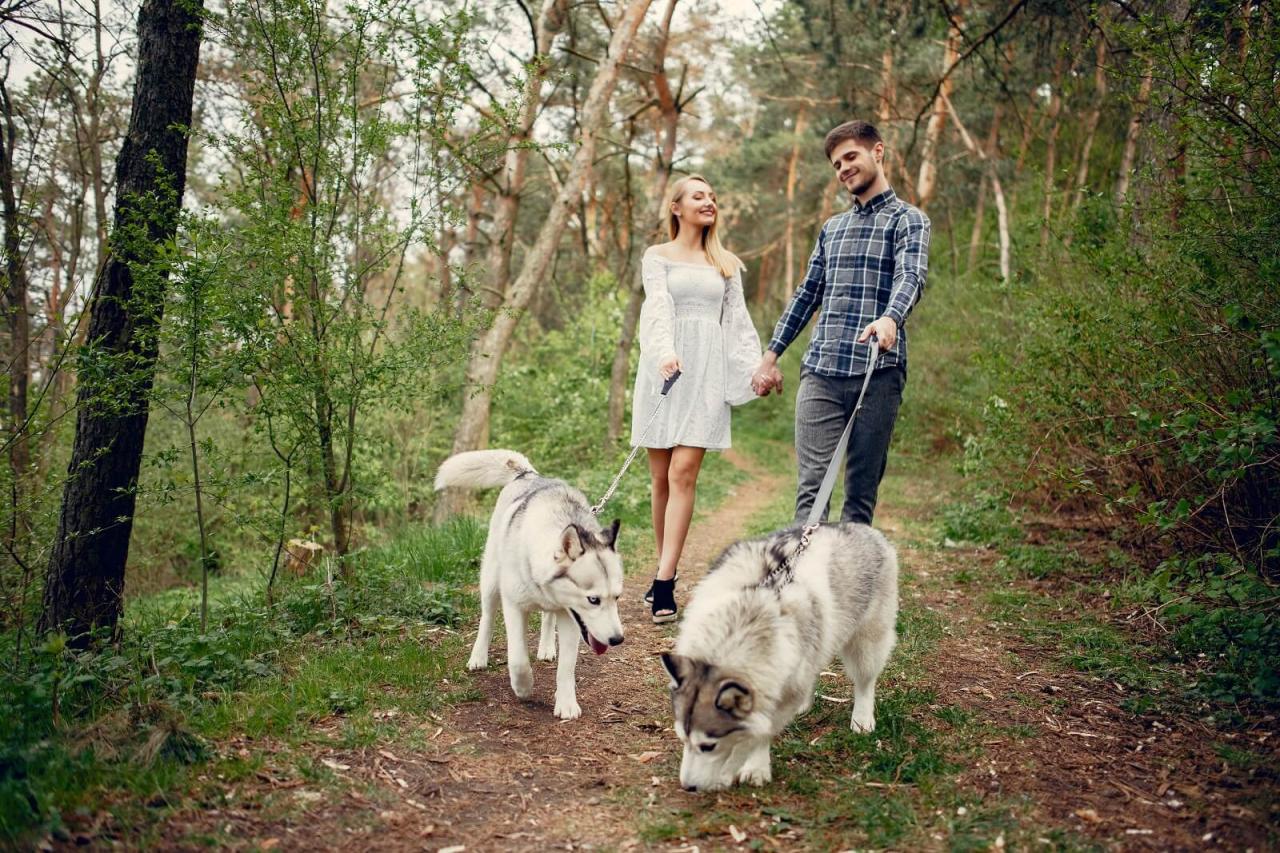
Ultimately, successful dog socialization is a continuous process that requires patience, understanding, and a commitment to your dog’s well-being. By implementing the strategies Artikeld in this guide, you can help your dog develop strong social skills, build confidence, and enjoy a fulfilling life among other dogs. Remember, consistency and a focus on positive interactions are key to long-term success.