Bringing a dog into a household with children requires careful planning and proactive socialization. This comprehensive guide provides a structured approach to ensuring a harmonious and safe environment for both your furry friend and your little ones. Early and positive socialization is key to establishing a strong bond and preventing potential issues.
From understanding breed-specific temperaments to creating a safe introduction process, this guide offers practical advice and strategies to navigate the complexities of dog-child interaction. We’ll explore essential steps to ensure a positive experience for everyone involved.
Introduction to Socialization
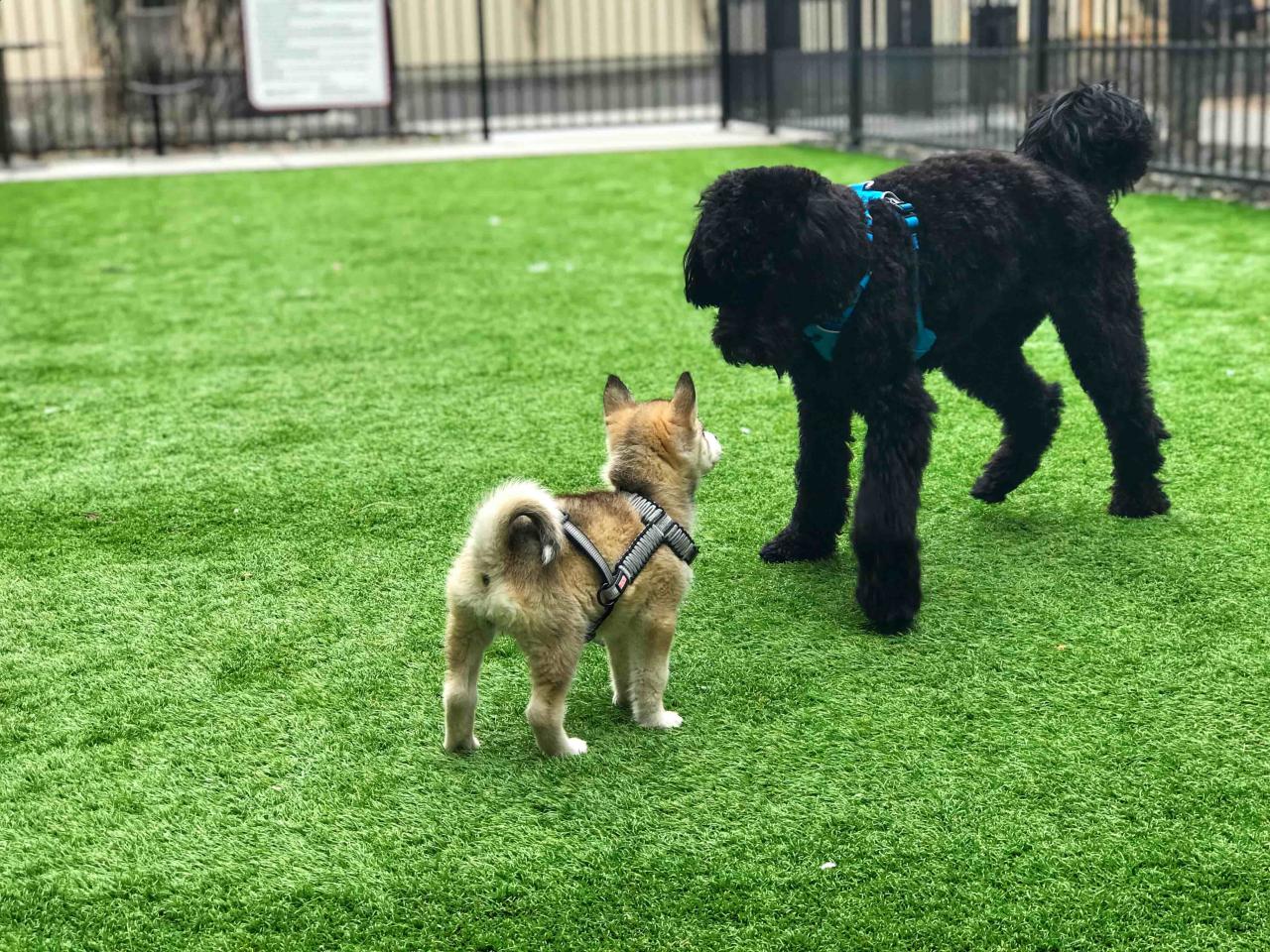
Early socialization is crucial for dogs and children to develop positive relationships and understand each other’s behaviors. A well-socialized dog is more likely to be comfortable and respectful around children, reducing the risk of potential conflicts or accidents. Conversely, children learn valuable lessons about responsibility and empathy when interacting with dogs. This early exposure helps children learn appropriate handling techniques and respect for animals.Socialization, particularly in the first few months of a puppy’s life, significantly impacts its future behavior.
Proper socialization allows dogs to adapt to different environments, people, and stimuli. It is essential for developing a dog’s confidence and reducing anxieties, leading to a more balanced and well-adjusted adult dog. This, in turn, fosters a positive and safe environment for interactions with children. Children also benefit from this interaction by learning how to interact responsibly with animals, understanding their needs, and recognizing cues for their comfort.
Dog Breed Considerations
Different dog breeds possess varying temperaments, and these temperaments influence their suitability for interaction with children. Some breeds are naturally more playful and gentle, while others might be more reserved or protective. Careful consideration of a breed’s typical characteristics is essential before bringing a dog into a household with children. The table below offers a preliminary guide, but individual dogs can vary significantly based on their upbringing and socialization experiences.
| Breed | Temperament | Suitability for Children | Potential Issues |
|---|---|---|---|
| Golden Retriever | Friendly, playful, and eager to please. Often exhibit a gentle and patient nature. | High | Can be overly enthusiastic, potentially causing accidental bumps or knocks. Require clear boundaries and guidance in interactions with children. |
| German Shepherd | Intelligent, protective, and loyal. Often exhibit a strong work ethic and a keen sense of responsibility. | Moderate | Requires careful socialization from a young age. Lack of socialization can lead to guarding behaviors or apprehension around children. |
| Chihuahua | Small, energetic, and potentially fearful or aggressive. Can be sensitive to loud noises or rough handling. | Moderate | May react defensively to perceived threats or intrusions, especially from children. Require careful supervision and management of interactions to avoid potential conflicts. |
Potential Risks of Insufficient Socialization
Insufficient socialization can lead to a variety of behavioral problems in dogs, impacting their interactions with children. These problems can range from fearfulness and aggression to destructive behaviors and a lack of control. Furthermore, safety concerns arise when a dog isn’t adequately socialized. Unpredictable reactions from an unsanctioned dog can pose risks to children, particularly if the dog feels threatened or uncomfortable.
It’s essential to create a safe and controlled environment for all interactions to minimize these risks.
Addressing Individual Dog Needs
While breed tendencies offer guidance, individual dogs should be evaluated on their own merit. Every dog possesses unique personality traits and socialization needs. Factors like age, past experiences, and individual temperament must be considered. An assessment of a dog’s response to different stimuli and interactions is crucial in determining the best approach for safe and positive interactions with children.
This ensures a tailored approach for each dog and child combination.
Creating a Safe Environment
A safe environment is paramount when introducing a dog and a child. This crucial step establishes trust, positive associations, and prevents potential harm. Careful planning and consistent supervision are key to a successful and enjoyable introduction.Creating a space where both the dog and the child feel comfortable and secure is essential. This involves understanding the dog’s personality, recognizing the child’s developmental stage, and implementing appropriate boundaries.
A well-structured introduction process, coupled with effective conflict management strategies, fosters positive interactions between the dog and child.
Preparing a Safe Space
Establishing a dedicated space for initial interactions between the dog and child is vital. This space should be readily accessible, and easily controlled to allow for consistent monitoring. It should be a neutral area, free of high-value items that the dog might try to protect or that the child might try to grab. This space should also be large enough to allow for comfortable movement for both the dog and the child without feeling cramped.
Setting Clear Boundaries and Expectations
Clear boundaries and expectations for both the dog and the child are critical for a successful introduction. For the dog, establishing commands like “leave it,” “stay,” and “down” is essential. This helps the dog understand acceptable behavior. For the child, teaching them to approach the dog calmly, avoid sudden movements, and respect the dog’s personal space is crucial.
Consistency in applying these rules is key to the success of the interaction.
Safety Precautions
Implementing safety precautions is critical to preventing potential accidents. A list of key safety measures is Artikeld below:
- Always supervise interactions between the dog and child. Never leave them unsupervised, even for short periods.
- Ensure the dog is securely leashed or contained when interacting with the child. This prevents any potential for the dog to chase or accidentally injure the child.
- Keep high-value items or potentially dangerous objects out of reach of both the dog and the child.
- Teach the child to approach the dog calmly and avoid sudden movements. Sudden movements can startle the dog, leading to unpredictable responses.
- Never allow the child to approach the dog while the dog is eating, sleeping, or engaging in other sensitive activities.
Managing Potential Conflicts
Effective management of potential conflicts is necessary. A dog might exhibit aggressive behavior if provoked, and children might accidentally upset the dog. Understanding and responding to these situations effectively is vital. If a conflict arises, calmly separate the dog and child, and redirect the child’s attention to a different activity. If the dog is exhibiting aggressive behavior, consult a professional dog trainer for guidance.
Gradual Introduction Process
A gradual introduction process is vital to building a positive relationship between the dog and child. This involves starting with short, supervised interactions. Initially, allow the child to observe the dog from a safe distance. Gradually, increase the interaction time and allow for supervised physical interaction, such as petting or gentle play, under close supervision. This gradual approach helps the dog and child to get used to each other’s presence.
For instance, if the dog is a large breed, begin with the child sitting on the ground and the dog on a leash, observing the interactions.
Supervision and Interaction Techniques
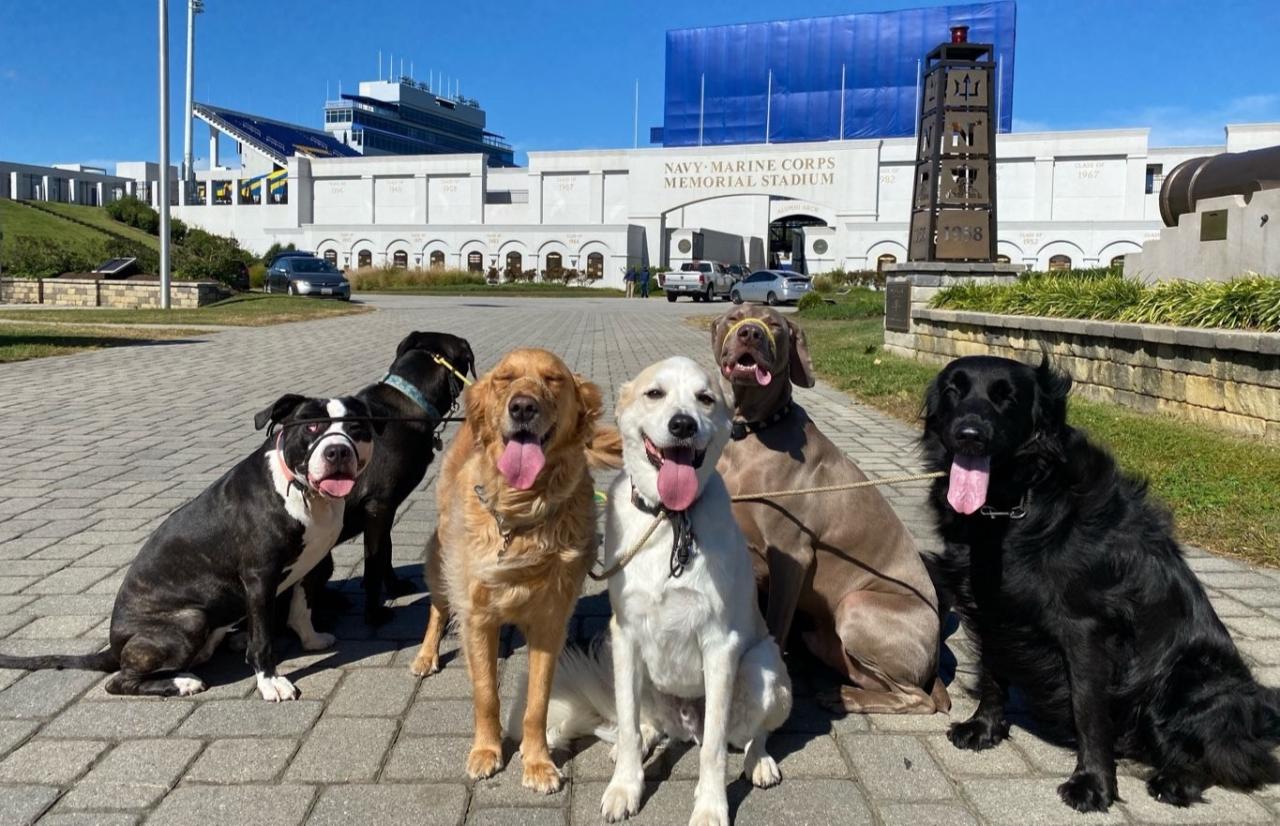
Proper supervision and carefully structured interactions are crucial for ensuring a safe and positive experience for both dogs and children. A well-socialized dog can adapt to various environments and interactions, and children learn respect and responsibility when interacting with animals. Establishing clear boundaries and expectations will prevent misunderstandings and potential conflicts.
Supervising Interactions
Consistent supervision is paramount during all interactions between dogs and children. A responsible adult should always be present to monitor the situation and intervene if necessary. This adult should understand canine body language and be able to recognize signs of discomfort or aggression in both the dog and child. This proactive approach minimizes the risk of accidents or mishaps.
Appropriate Play Activities
Structured play sessions between dogs and children can be beneficial for both parties, promoting positive associations and fostering a sense of mutual respect. Supervised games involving toys, gentle tug-of-war, and short fetch sessions can help develop these positive associations. It is essential to maintain control over the interactions and ensure that neither the dog nor the child is overwhelmed or stressed.
Children should be encouraged to use gentle handling techniques with the dog, like soft touches and slow movements. Never allow roughhousing or boisterous play that could intimidate or injure the dog.
Teaching Children to Interact Safely
Effective communication is key to teaching children how to interact safely with dogs. Children should be taught to approach dogs calmly and avoid sudden movements. They should learn to recognize signals of discomfort, such as a dog turning its head away, yawning, or stiffening its body. Children should be taught to avoid approaching a dog that is eating, sleeping, or already interacting with another dog or person.
Additionally, they should understand that petting should be gentle and never forceful. Reinforcing these safety measures with positive reinforcement techniques will foster responsible interaction habits.
Positive Reinforcement Techniques
Positive reinforcement techniques can be used to train both dogs and children in appropriate interaction behaviors. For dogs, rewarding calm behavior and good responses during interactions with children is crucial. For example, if a dog remains calm when a child approaches gently, it should be rewarded with a treat or praise. For children, praise and rewards for gentle interactions, like calm petting and respectful observation, are equally effective.
Reward Systems for Positive Interactions
Establishing a reward system for positive interactions can reinforce desired behaviors. A point system, stickers, or small treats can be used to reward both the dog and the child for exhibiting calm and respectful interactions. The reward system should be tailored to the age and understanding of the child, with clear expectations and consistent application. This creates a positive feedback loop, encouraging continued positive interactions.
Addressing Potential Issues
Successfully socializing a dog with children requires proactive planning and a keen understanding of potential challenges. Anticipating and addressing potential issues, such as fear, aggression, or discomfort, is crucial for creating a harmonious environment. This proactive approach ensures both the dog and children remain safe and enjoy positive interactions.
Common Challenges in Socialization
Dogs and children, while often compatible, can sometimes experience difficulties during interactions. Common challenges include differing communication styles, varying levels of comfort, and the potential for misinterpretation of signals. A dog may perceive a child’s sudden movement or loud noises as threatening, while a child might not understand a dog’s subtle cues of discomfort. Recognizing these potential hurdles is the first step toward creating a safe and enjoyable experience for all involved.
Recognizing and Addressing Signs of Discomfort
Dogs, much like humans, express discomfort and fear through various behavioral cues. Observing and understanding these signals is vital for preventing escalation. Signs of fear or anxiety in dogs can include avoiding eye contact, lip licking, yawning, whale eye, panting, tucked tail, or trembling. Changes in body language, such as flattening of the ears, or the dog exhibiting signs of aggression, such as growling, snapping, or lunging, should be addressed immediately.
Children may express discomfort through crying, retreating, or avoidance. Prompt recognition of these cues allows for timely intervention and de-escalation.
De-escalating Conflicts
When conflicts arise between a dog and a child, immediate de-escalation is paramount. This involves separating the dog and child to create a safe space for both. A calm, reassuring tone and gentle touch can be highly effective in calming a dog. Avoid sudden movements or loud noises, which may exacerbate the situation. If possible, redirect the child’s attention to a different activity.
In instances where the dog exhibits aggression, ensure the child is safe and remove the dog from the situation.
Redirecting Unwanted Behaviors
Redirecting unwanted behaviors is an important part of the socialization process. If a dog barks excessively, distractions like toys or treats can divert its attention. If a dog displays signs of aggression, providing a safe space and a calming environment can help. Children should be taught to approach dogs calmly and respectfully. Positive reinforcement, such as rewarding desired behaviors, is an effective technique for shaping both dog and child’s responses.
Consistency in these responses is vital for long-term success.
Addressing Dog Behaviors During Interactions with Children
| Dog Behavior | Possible Cause | Strategies |
|---|---|---|
| Barking | Excitement, fear, territoriality | Positive reinforcement for quiet behavior, distraction with toys or treats, gradual exposure to children in controlled environments |
| Growling | Fear, anxiety, protectiveness | Gentle redirection, providing space, ensuring the dog feels secure and respected, seeking professional advice if the behavior persists. |
| Tail Tucking | Fear, anxiety | Creating a calm and safe environment, minimizing stimuli, providing positive reinforcement, and potentially seeking professional guidance if the behavior persists. |
| Lunging | Fear, excitement, territoriality | Gradual desensitization and counter-conditioning, creating a safe space, redirecting the dog’s attention with toys or treats, consulting with a professional dog trainer if needed. |
Ongoing Socialization and Training
Building a strong and positive relationship between dogs and children requires ongoing effort and proactive management. This stage emphasizes maintaining the positive experiences established during initial socialization, while adapting to the evolving needs of both the dog and the children. Consistency and patience are key to fostering a lasting and harmonious environment.
Importance of Continued Socialization
Continued socialization reinforces positive associations and behaviors. This involves exposing the dog to a variety of sights, sounds, and experiences, including children of different ages, sizes, and interaction styles. Regular exposure helps dogs learn to navigate various social situations, reducing potential anxieties and fostering adaptability.
Strategies for Maintaining Positive Relationships
Establishing and maintaining a positive relationship between dogs and children hinges on a proactive approach. Structured interactions, supervised play, and consistent training are vital for building a lasting bond. Dogs and children should be taught appropriate social cues and behaviors to manage their interactions effectively.
Examples of Activities for Continued Positive Experiences
Regular playdates with other children and dogs can provide valuable opportunities for socialization. These can be organized, supervised, and adjusted based on individual dog and child preferences. Structured activities, such as guided walks in safe, open spaces or supervised playtime at dog parks, can provide children with safe and rewarding interaction experiences with dogs. Simple games, like fetch or tug-of-war, under supervision can enhance the bonding experience.
Addressing Lingering Concerns
Addressing lingering concerns or potential issues requires a proactive and compassionate approach. Observing the dog and child’s interactions and adapting the environment and activities as needed can resolve any problems. This could include altering the types of activities, introducing additional training, or adjusting the amount of time spent together. If anxieties persist, consulting with a qualified dog trainer or child psychologist can provide specialized support.
Role of Consistency and Patience
Consistency in training and interaction strategies is crucial for long-term dog-child socialization. A consistent approach helps both the dog and children understand and anticipate expectations, thereby fostering predictability and reducing potential anxieties. Patience is paramount in this process. It takes time for dogs and children to build trust and positive associations. Recognizing and rewarding positive interactions will significantly accelerate the process.
Gradually introducing new stimuli and challenges, within the dog and child’s comfort zones, is key to successful socialization. A patient approach will produce the best long-term results.
Final Thoughts
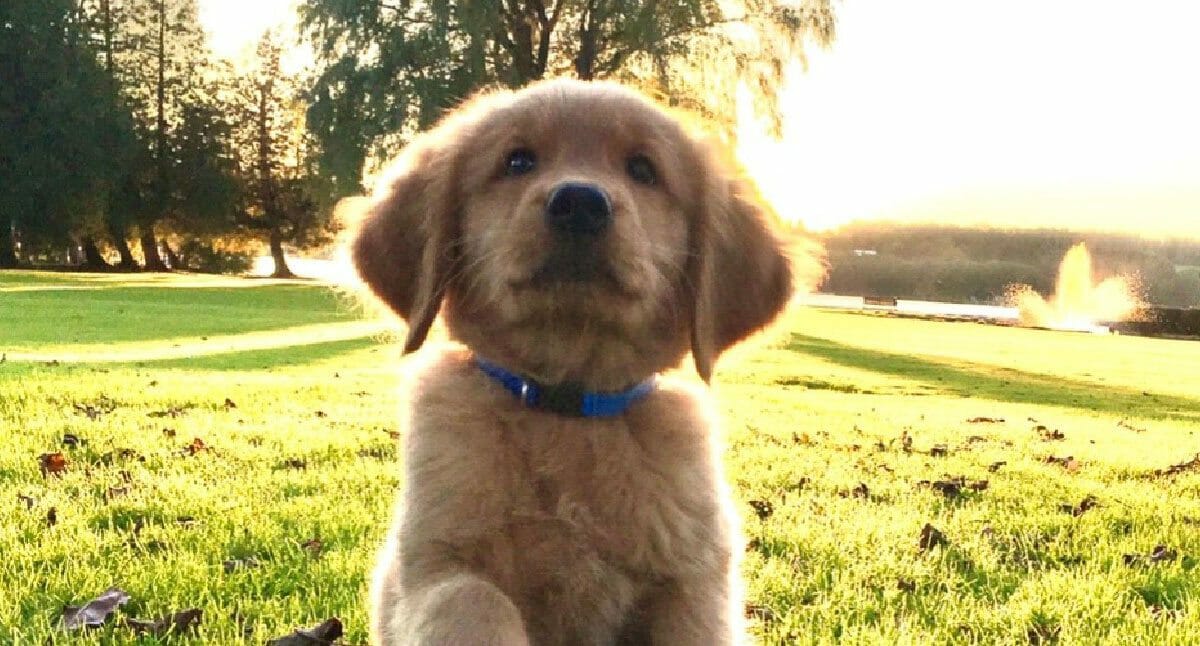
Successfully socializing a dog with children requires patience, consistency, and a proactive approach. By following the steps Artikeld in this guide, you can create a positive and lasting relationship between your dog and kids. Remember that ongoing training and supervision are crucial to maintaining a safe and enjoyable environment for everyone.