Reward-based dog training is a powerful and positive approach that fosters a strong bond between you and your canine companion. This method focuses on reinforcing desired behaviors through positive reinforcement, creating a mutually beneficial learning experience. By understanding the principles of canine learning and implementing effective reward strategies, you can achieve remarkable results, shaping your dog’s behavior in a safe and enjoyable manner.
This guide explores the fundamentals of reward-based dog training, from understanding your dog’s unique learning style to implementing diverse reward systems. We will delve into selecting the right rewards, crafting effective reward schedules, and handling challenges that may arise during training. Ultimately, our aim is to equip you with the knowledge and strategies necessary to reward train your dog successfully, building a lasting relationship based on mutual respect and understanding.
Understanding Dog Training Principles

Effective dog training hinges on a deep understanding of canine psychology and behavior. Positive reinforcement, a cornerstone of modern dog training, focuses on rewarding desired actions to encourage repetition. This approach is demonstrably more effective and humane than punishment-based methods. It fosters a positive relationship between owner and dog, promoting trust and cooperation.Positive reinforcement works by associating a desirable behavior with a reward, making the behavior more likely to be repeated.
Negative reinforcement, in contrast, involves removing an unpleasant stimulus to encourage a behavior, which can sometimes create unintended consequences or confusion.
Positive Reinforcement in Dog Training
Positive reinforcement is a crucial element in dog training. It involves rewarding desirable behaviors, strengthening their likelihood of occurrence. This method focuses on building a positive association with the desired action, creating a strong bond between owner and dog. Punishment, on the other hand, can lead to fear, anxiety, and aggression in dogs.
Positive vs. Negative Reinforcement
Distinguishing between positive and negative reinforcement is vital for successful dog training. Positive reinforcement involves adding a desirable stimulus (like a treat) following a desired behavior, while negative reinforcement involves removing an unpleasant stimulus (like pressure) after a desired behavior. The former strengthens the behavior by associating it with a positive outcome, while the latter strengthens it by removing something unpleasant.
Examples of negative reinforcement in dog training are often less desirable than positive reinforcement methods because they can create confusion and anxiety for the dog.
Positive Reinforcement Methods
Various methods exemplify positive reinforcement. These include using high-value treats, praise, toys, or petting as rewards for desired behaviors. Consistent application is key to effectiveness.
- Treats: High-value treats are often effective because dogs are motivated by food. Choosing treats that are small, easy to eat, and appealing to the dog will maximize their effectiveness. For example, small pieces of cooked chicken or cheese are often well-received.
- Praise: Verbal praise, combined with a happy tone of voice, can reinforce positive behaviors. It’s important to be consistent with the praise to ensure the dog understands the association between the action and the reward.
- Toys: Toys can be powerful rewards, especially for dogs who are motivated by play. Interactive toys or a favorite chew toy can serve as powerful motivators. The choice of toy should be tailored to the dog’s individual preferences.
Dog Learning Styles and Reward Strategies
Different dogs learn at varying paces and in unique ways. Some dogs respond well to visual cues, while others are more receptive to auditory cues. Understanding a dog’s learning style helps tailor reward strategies for optimal results. For example, a dog who learns best through visual cues might respond more effectively to hand signals combined with verbal praise.
A dog who responds well to auditory cues might benefit more from consistent verbal commands paired with a reward.
Reward Method Comparison
The effectiveness of different reward methods can vary depending on the dog’s individual preferences. The following table provides a general comparison of treats, praise, and toys as rewards.
| Reward Method | Effectiveness | Considerations |
|---|---|---|
| Treats | Generally very effective, especially for dogs motivated by food. | Ensure treats are appropriate for the dog’s size and health. Variety is key. |
| Praise | Effective for building a positive association and bond. | Ensure a happy tone and consistent application. Praise should be paired with other rewards. |
| Toys | Highly effective for play-motivated dogs. | Choose toys that are appropriate for the dog’s size and chewing habits. Ensure the dog is not overstimulated by the toy. |
Choosing the Right Rewards
Rewarding your dog effectively is crucial for positive reinforcement training. The right rewards, carefully selected and strategically employed, significantly enhance the learning process and strengthen the bond between you and your canine companion. A well-chosen reward system not only motivates your dog but also fosters a positive and enjoyable training experience.Choosing the appropriate rewards goes beyond simply offering a treat.
Factors like treat size, consistency, and the introduction of high-value rewards play significant roles in shaping the training process. Furthermore, understanding different reward schedules, such as continuous and intermittent reinforcement, is essential for optimizing learning and preventing satiation. This section delves into these aspects, providing a comprehensive guide to selecting the most effective rewards for your dog’s training.
Types of Dog Treats Suitable for Training
Various treats are available for dog training, each with unique characteristics. High-quality, easily digestible treats are ideal. These treats should be small enough to be quickly consumed without disrupting the training process. Examples include small, soft biscuits, jerky treats, or even pieces of cooked meat or poultry. Consider the dog’s breed, size, and individual preferences when selecting treats.
Always prioritize treats that are healthy and appropriate for your dog’s dietary needs.
Treat Size and Consistency for Training
Treat size and consistency significantly impact the training process. Small, bite-sized treats are generally recommended for optimal training. Larger treats can distract the dog and may make it difficult to deliver the reward quickly and efficiently. Consistency in treat size and texture also aids in predictability and reinforces the desired behavior. Using the same type of treat throughout training helps your dog quickly associate the treat with the desired action.
High-Value Rewards in Dog Training
High-value rewards, like a favorite toy or a particularly enticing treat, serve as powerful motivators. These rewards can be especially effective when teaching complex or challenging commands. Introducing high-value rewards strategically during training can make the learning process more engaging and motivating for your dog. For instance, a favorite toy can be used as a reward for a dog demonstrating exceptional recall or agility.
Reward Schedules (Continuous vs. Intermittent)
Reward schedules dictate when and how often a reward is given. Continuous reinforcement involves rewarding every desired behavior. This is highly effective during the initial stages of learning. Intermittent reinforcement, on the other hand, involves rewarding some, but not all, desired behaviors. This method is more effective for maintaining learned behaviors in the long term and prevents the dog from becoming overly reliant on immediate rewards.
Choosing the appropriate reward schedule is crucial for long-term success in dog training.
Comparison of Reward Types
| Reward Type | Pros | Cons |
|---|---|---|
| Small, soft biscuits | Easily digestible, readily available, good value for money | Can be less appealing to some dogs, potentially less motivating for challenging tasks |
| Jerky treats | Highly motivating, satisfying for dogs, often appealing | Can be high in sodium, may not be suitable for dogs with dietary restrictions |
| Pieces of cooked meat/poultry | Highly motivating, highly palatable, can be very rewarding | May be messy, can be difficult to control portion size, potentially unsafe if not handled properly |
| Favorite toys | Highly motivating, provides a longer-lasting reward, can be excellent for recall training | Not suitable for all dogs, can be more expensive to vary |
Implementing Reward Systems
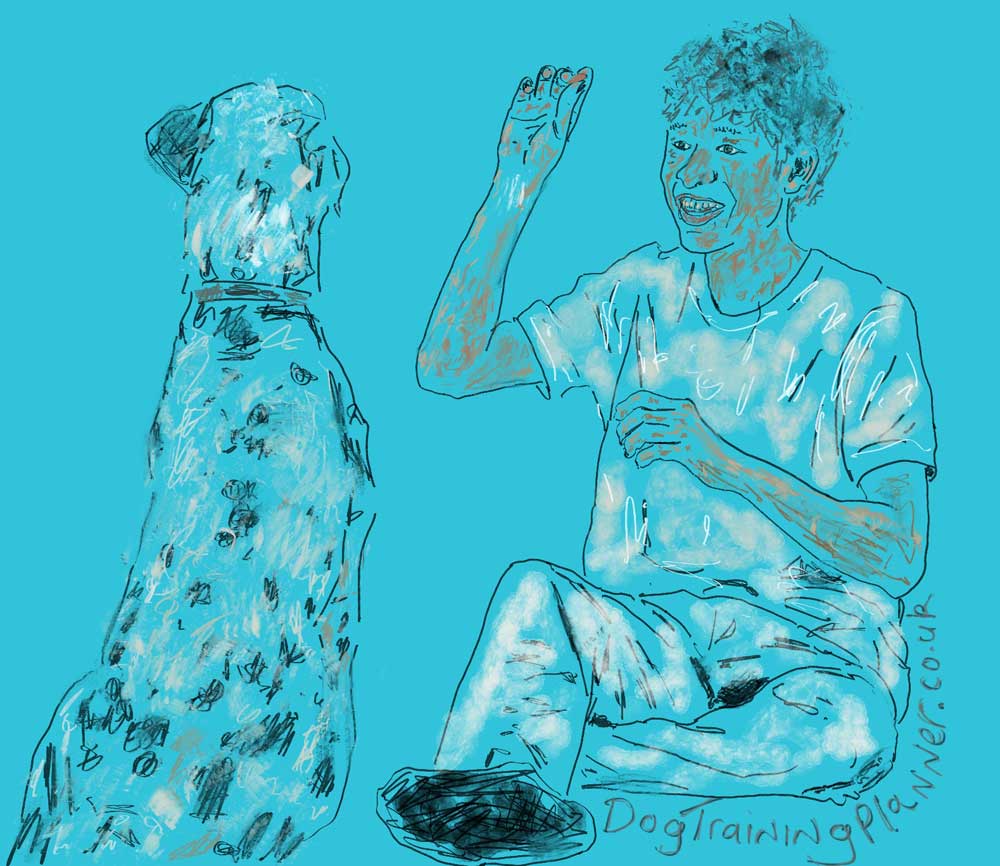
Reward-based training relies heavily on positive reinforcement, using rewards to motivate desired behaviors. A well-structured reward system is crucial for effective dog training, leading to a stronger bond between owner and pet and improved behavioral outcomes. Understanding the dog’s motivation and preferences is key to making the process enjoyable and successful.Implementing a reward system effectively involves a phased approach, transitioning from frequent rewards to less frequent ones as the dog learns the desired behavior.
Gradual reduction in reward frequency helps the dog learn to perform the behavior for the intrinsic satisfaction and connection with the owner, rather than just the immediate reward.
Step-by-Step Procedure for Implementing a Reward-Based Training Program
A structured approach is vital for a successful training program. Begin by identifying the specific behaviors you wish to teach. Break down complex behaviors into smaller, manageable steps. For instance, teaching a dog to “sit” might be divided into “look at me,” “lift the head,” and “lower the rear end.” Each step is rewarded, and eventually, the sequence forms the desired behavior.
- Start with clear expectations: Define the specific behavior you want your dog to perform. For instance, “sit” or “stay.” Using simple, clear commands will make training more effective.
- Choose appropriate rewards: Select rewards that are highly motivating for your dog. This might be treats, praise, toys, or a favorite activity.
- Begin with frequent rewards: Initially, reward the dog immediately after performing the desired behavior. This reinforces the connection between the action and the reward.
- Gradually reduce the frequency of rewards: As the dog learns the behavior, gradually reduce the frequency of rewards. For example, if initially rewarding every correct “sit,” transition to rewarding every other correct “sit.” This encourages the dog to perform the behavior consistently.
- Use shaping to refine the behavior: Shape the desired behavior by rewarding successive approximations of the behavior. For instance, if the dog doesn’t initially hold the “sit” position, reward any head-lift and gradual settling into the sit posture.
- Consistency is key: Consistency in training methods and reward schedules is crucial for the dog to understand and retain the behavior.
Reducing Reward Frequency
Gradually reducing the frequency of rewards is a crucial element of reward-based training. It helps the dog learn the desired behavior for its own sake, not just for the immediate reward. This builds a stronger association between the desired behavior and the owner’s approval.
Begin by rewarding every correct response. Then, reward every other correct response, then every third, and so on. This gradual reduction is crucial for building a strong, lasting association between the behavior and the desired outcome. The dog will learn that performing the desired behavior leads to positive reinforcement, even without a reward every time. For instance, if your dog sits reliably, gradually reduce the number of treats given for the command.
Eventually, you can phase out treats altogether and rely on praise and affection.
Reward Schedules for Different Behaviors
Different behaviors may require different reward schedules. Consistency is essential for the dog to understand the expectations.
| Behavior | Reward Schedule | Explanation |
|---|---|---|
| Basic Obedience (Sit, Stay, Down) | Variable Ratio (occasional rewards) | Reinforces consistent behavior, creating a stronger association with the desired response. |
| Trick Training (rolling over, playing dead) | Fixed Ratio (reward after every X trials) | Initially helps with learning a complex sequence, then gradually change to variable ratio. |
| Retrieving | Variable Ratio | Rewarding the dog after an unpredictable number of successful retrieves reinforces the desire to consistently retrieve items. |
Shaping Behavior Through Successive Approximations
Shaping is a powerful technique in reward-based training. It involves rewarding successive approximations of the desired behavior. The dog is rewarded for behaviors that progressively get closer to the final desired behavior.
By rewarding behaviors that are closer and closer to the desired outcome, the dog is guided toward the final goal. This method allows for the teaching of complex behaviors by breaking them down into smaller, manageable steps.
For example, to teach a dog to fetch a specific item, start by rewarding the dog for looking at the item, then for sniffing it, then for picking it up, and finally for bringing it back. Each step is rewarded until the complete behavior is learned.
Rewarding Specific Behaviors
Rewarding specific behaviors is crucial for shaping desired responses in dogs. A well-structured reward system, tailored to the individual dog and the specific behavior, is key to successful training. This involves understanding the nuances of different behaviors and implementing appropriate reinforcement strategies.Effective reward strategies not only reinforce desired actions but also help create a positive learning environment, strengthening the bond between dog and owner.
By understanding the principles of reinforcement, and applying them strategically, you can successfully guide your dog towards mastering various tasks and commands.
Rewarding Basic Obedience
Consistent and immediate reinforcement is essential for basic obedience commands like sit, stay, and come. The timing of the reward is critical; it should occur immediately after the desired behavior is exhibited. Small, high-value treats are often ideal for these commands. For example, a small piece of cooked chicken or a favorite kibble can be highly motivating.
Using verbal praise (“Good sit!”) alongside the treat further reinforces the desired behavior. Gradual progression in difficulty is key. Once the dog reliably performs the command in a quiet environment, gradually introduce distractions to test their understanding and commitment.
Rewarding Complex Behaviors
Rewarding complex behaviors, such as tricks and agility exercises, requires a more nuanced approach. These actions often involve a series of steps, each requiring reinforcement. Breaking down complex behaviors into smaller, manageable steps is essential. For instance, teaching a dog to “play dead” might involve rewarding the dog for lying down, then for extending its front paws, and finally, for holding the pose.
Using shaping, a technique where you reinforce successive approximations of the desired behavior, is very effective. Positive reinforcement and patience are crucial. The reward should always be tied to the successful completion of a particular step, not just for partial progress.
Rewarding During Walks and Outings
Rewarding desired behaviors during walks and outings helps maintain focus and control in distracting environments. Use high-value treats to reinforce leash manners, such as walking calmly beside you without pulling. Look for opportunities to praise and reward your dog for staying focused, ignoring distractions, or exhibiting other positive behaviors. For example, if your dog walks calmly for a few blocks without pulling, reward them with a treat.
This helps your dog learn to associate good behavior with positive reinforcement. It’s important to keep the rewards consistent to maintain the dog’s motivation.
Rewarding Problem-Solving and Decision-Making
Rewarding problem-solving and decision-making skills fosters mental stimulation and engagement. Puzzle toys and games that require your dog to solve a problem to get a reward are great for this purpose. You can also incorporate scenarios that involve making choices, like presenting two different toys and rewarding the dog for selecting the desired one. This type of training builds confidence and mental sharpness in your dog.
These challenges help your dog to develop cognitive abilities, enhancing their overall well-being.
Reward Schedule Examples
| Behavior | Reward Method | Frequency |
|---|---|---|
| Sit | Treat and praise | Every successful sit |
| Stay | Treat and praise | After holding the stay for the desired duration |
| Come | Treat and enthusiastic praise | Immediately upon returning |
| Trick (e.g., shake hands) | Treat and praise | Each step of the trick sequence |
| Walking calmly on leash | Treat and praise | After a few blocks of consistent walking |
Addressing Challenges in Training
Reward-based dog training, while highly effective, can present challenges. Understanding how to navigate setbacks, adapt to individual dog personalities, and address specific struggles is crucial for success. This section explores strategies for overcoming these obstacles, ensuring a positive and productive training experience for both you and your canine companion.
Handling Setbacks and Frustration
Training setbacks are inevitable. A dog might resist a command, lose focus, or simply not respond as expected. Recognizing these moments as opportunities for adjustment, rather than failures, is key. Remain patient and understanding. If a dog consistently struggles with a particular command, re-evaluate the training method, perhaps breaking the command down into smaller, more manageable steps.
A calm and consistent approach will help maintain a positive learning environment.
Adapting Reward Strategies to Different Personalities
Dogs possess diverse personalities, influencing their learning styles. A highly energetic dog might respond best to more active rewards and games, while a more reserved dog might benefit from calmer, more thoughtful rewards. Observe your dog’s individual preferences. Some dogs might thrive on praise and petting, while others might prefer toys or treats. Experiment with various reward types to identify what motivates your specific dog.
Be prepared to adjust your strategy based on their reactions.
Rewarding Dogs with Specific Struggles
Some dogs might have pre-existing challenges, like anxiety or fear. In these situations, adjust the training environment to be less stimulating. Use smaller, more frequent rewards to build positive associations with the desired behavior. Positive reinforcement remains crucial, even if the dog struggles initially. Gradually increase the difficulty as the dog gains confidence.
Avoid forcing the dog into situations that trigger fear or anxiety.
Rewarding Good Behavior Even When Imperfect
Perfect execution isn’t always attainable during training. Recognize and reward even partial progress. If a dog demonstrates some understanding of a command, even if not fully executed, praise and reward that effort. This encourages continued participation and builds a strong foundation for future training. The goal is to create positive associations with the desired behavior, not to demand perfection from the start.
Common Mistakes in Reward-Based Training and How to Avoid Them
Inconsistency in rewards and praise can lead to confusion and frustration for the dog. Ensure a consistent approach. Rewarding behaviors that are not the desired ones is another frequent error. Carefully observe the dog’s actions and only reward the target behavior. Using excessive punishment, even if unintentional, can negatively impact the learning process.
Avoid harsh corrections, instead focusing on positive reinforcement. Ensure the training environment is calm and predictable. Avoid introducing too many distractions at once, as this can overwhelm the dog and hinder learning.
Advanced Reward Strategies
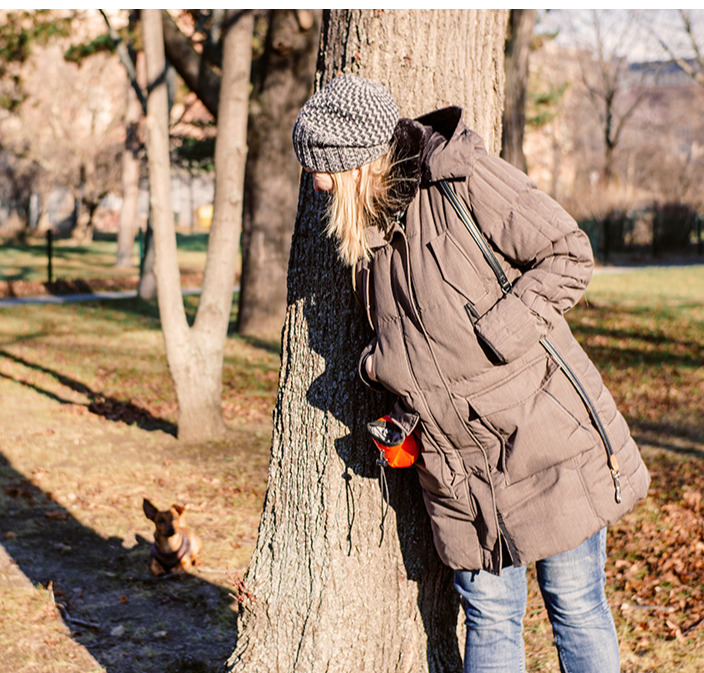
Rewarding a dog effectively goes beyond simply providing treats. Advanced strategies focus on maintaining desired behaviors, strengthening the bond, and tailoring the system to the individual dog’s needs. This involves understanding how to use various rewards, including praise, affection, toys, and play, to reinforce positive actions and build a lasting partnership.Maintaining a consistent and engaging reward system is crucial for long-term success.
By incorporating a variety of rewards and adapting to the dog’s individual preferences, the training process becomes more enjoyable and strengthens the bond between dog and owner. This approach not only encourages desired behaviors but also creates a positive and enriching experience for both.
Maintaining Learned Behaviors
Maintaining desired behaviors requires ongoing reinforcement. Simply rewarding the behavior once is insufficient. Regular reinforcement, even when the behavior is already established, keeps the dog engaged and motivated. This can involve intermittent rewards, meaning not every desired action is rewarded, but some are, creating anticipation and maintaining interest. This approach also prevents the dog from becoming reliant on constant rewards, which can hinder the dog’s natural ability to learn and perform the task.
Using Rewards to Create a Strong Bond
Reward systems are not just about training; they are about building a strong relationship with your dog. When rewards are delivered consistently and positively, it creates a sense of trust and mutual respect. Dogs thrive on positive reinforcement and clear communication. Using rewards in a thoughtful and consistent way fosters a deep connection between the dog and owner, building mutual trust and understanding.
By associating positive experiences with your presence, you build a strong and loving bond with your canine companion.
The Role of Praise and Affection
While treats are powerful motivators, praise and affection play a vital role in shaping the dog’s behavior and strengthening the bond. Verbal praise, gentle pats, and a loving tone can reinforce the desired behavior and communicate your approval. Combining praise with treats creates a powerful reinforcement system, making the experience more rewarding for the dog and enhancing the training process.
This method of positive reinforcement builds a strong connection between the dog and owner.
Using Toys and Play as Rewards
Toys and play sessions are valuable additions to a reward system. Toys can be used as a reward for specific behaviors, making the training process more engaging and stimulating for the dog. This also adds variety and prevents boredom, keeping the dog motivated and engaged. Using toys and play sessions as rewards allows for a more interactive and enjoyable training experience, strengthening the bond and encouraging participation.
The dog’s motivation to engage in play-based activities further reinforces positive behaviors.
Designing a Tailored Reward System
A well-designed reward system should be tailored to the dog’s specific needs and personality. Consider the dog’s breed, age, energy levels, and individual preferences when choosing rewards. For instance, some dogs might be more motivated by food rewards, while others might prefer toys or play. Understanding the dog’s personality and motivation is key to creating a reward system that resonates with the individual.
The most effective reward system is one that adapts to the dog’s specific needs, preferences, and personality, enhancing the effectiveness of the training. This ensures that the dog feels motivated and engaged throughout the process. A tailored reward system will be more effective and lead to more successful outcomes.
Rewarding During Different Training Environments
Successfully training a dog involves more than just knowing the commands. It necessitates understanding and adapting your reward strategies to different environments. This adaptability ensures consistent learning and positive associations, regardless of where training takes place. A well-trained dog will exhibit desired behaviors across various locations, from the familiar home to the more distracting park or car.Training environments significantly influence a dog’s focus and receptiveness to commands.
Understanding these nuances allows you to tailor your reward system for optimal results. By adjusting the rewards and their delivery, you can maintain a consistent training approach while maximizing your dog’s learning experience in various settings.
Reward Strategies for Different Environments
Different environments present unique challenges in dog training. To maintain a consistent and effective reward system, it is essential to adapt your approach to the specific location. This includes considering distractions, the dog’s comfort level, and the overall atmosphere.
- Home Training: In the comfort of your home, distractions are typically minimal. Use high-value treats, praise, and toys as rewards. Focus on clear, concise commands and immediate reinforcement. This allows your dog to quickly associate actions with rewards, leading to faster learning. Consistency in location and routine is key, as your dog will learn to associate specific behaviors with particular areas of the house.
For example, a consistent cue for “sit” in the living room will be more effective than switching cues depending on the room.
- Park Training: Parks introduce more distractions, such as other dogs, people, and sights and sounds. Lower-value treats or small pieces of kibble are often more suitable for maintaining focus in a park environment. High-value rewards can become less effective amidst these distractions. Praise and petting can be powerful motivators. Use shorter training sessions to maintain focus and avoid overwhelming your dog.
Consider using a distraction-free area within the park, if possible. For example, if training a recall command in a crowded park, using a quiet corner with fewer distractions will be more effective.
- Car Training: Car training requires a different approach due to the movement and potential distractions of driving. Ensure your dog is comfortable in the car before starting training sessions. Use high-value treats and praise to reinforce desired behaviors, such as staying in their designated spot. Avoid rewarding unwanted behaviors, such as barking or jumping. Start with short trips and gradually increase duration as your dog becomes more accustomed to car rides.
For example, if training “stay” in the car, begin with short, controlled trips, and gradually increase the distance as your dog learns to stay put.
Handling Distractions While Rewarding
Distractions are inevitable in various training environments. Strategies for handling them must be tailored to the specific distraction. Consistency and patience are paramount in overcoming these obstacles.
- Identifying Distractions: Before training, observe your dog’s surroundings and identify potential distractions. This helps you create strategies for mitigating these factors. For example, if your dog is distracted by squirrels, avoid training sessions in areas where squirrels are frequently sighted.
- Gradual Exposure: Introduce controlled distractions gradually. Start with low-level distractions and gradually increase the intensity as your dog demonstrates improved focus. For instance, begin training in a quiet park environment and gradually move to more crowded areas.
- Reinforcement Strategies: If a distraction arises, maintain composure and continue with your training. If your dog is distracted, ignore the distraction and reward the desired behavior once it’s completed. For example, if your dog is distracted by another dog, continue with the training exercise until the dog returns its focus to you.
Consistency in Reward Strategies Across Locations
Consistency is crucial for your dog’s understanding and responsiveness. A consistent reward system across all environments builds a clear association between behaviors and rewards. This allows your dog to generalize learned behaviors to different situations.
- Use Similar Cues: Use the same cues and commands in all environments. This ensures your dog understands the expected behavior regardless of location. For example, use the same “sit” command whether you are in the house, park, or car.
- Maintain a Routine: Maintain a consistent training routine, including the frequency and duration of sessions, in different environments. This helps your dog anticipate training and remain focused.
- Adapt Rewards: Adapt your rewards to suit the environment. Use higher-value treats in less distracting environments and lower-value treats in more distracting ones.
Comparison of Reward Strategies
| Environment | Reward Type | Distraction Management | Consistency Considerations |
|---|---|---|---|
| Home | High-value treats, praise, toys | Minimal distractions; focus on immediate reinforcement | Consistent cues, routine, and reward delivery |
| Park | Lower-value treats, praise, petting | Gradual introduction of distractions, ignore distractions, focus on quick rewards | Consistent cues, shorter sessions, use distraction-free areas |
| Car | High-value treats, praise | Focus on rewarding desired behaviors, avoid rewarding unwanted behaviors | Consistent cues, start with short trips, increase duration gradually |
Maintaining a Training Routine
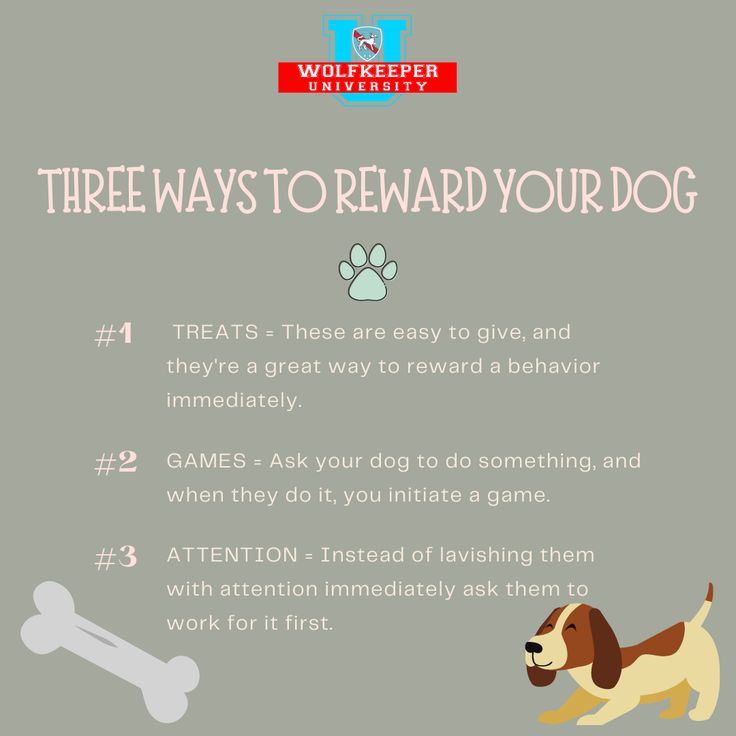
Establishing a consistent training routine is crucial for positive reinforcement dog training. A structured approach fosters predictability, allowing your dog to anticipate and respond effectively to training cues. This predictability also strengthens the bond between you and your canine companion, creating a positive and rewarding experience for both of you.A well-established routine promotes learning, builds trust, and contributes to a harmonious relationship with your dog.
Consistent training sessions, combined with thoughtful reward integration, create a framework for effective and enjoyable training.
Creating a Consistent Training Routine
A consistent routine establishes a predictable structure that benefits both you and your dog. It allows your dog to anticipate training sessions, making them less stressful and more focused. This, in turn, enhances their understanding of your expectations and fosters a positive learning environment.
- Schedule Dedicated Training Time: Regularity is key. Set aside specific times each day or week for training, much like you would any other important appointment. This could be a 15-minute session in the morning and a 10-minute session in the evening. Consistency in timing reinforces the association of these periods with learning.
- Establish a Predictable Location: A dedicated training area, whether it’s a corner of the living room or a specific spot in the yard, creates a structured environment. This helps your dog associate the space with learning and positive reinforcement. Avoid shifting locations too frequently.
- Incorporate Training into Daily Activities: Training shouldn’t feel like a chore. Integrate training into everyday routines. For instance, use cues while walking, or during mealtime, to reinforce desired behaviours.
Scheduling Training Sessions
Scheduling training sessions provides structure and allows for better focus during the session. This structure helps both you and your dog to be prepared and receptive to the learning process.
- Frequency is Key: Aim for short, frequent sessions (e.g., 10-15 minutes) rather than one long session. This keeps your dog engaged and prevents boredom or frustration. Short, frequent sessions are more effective than infrequent, lengthy ones.
- Consider Your Dog’s Energy Levels: Schedule training sessions when your dog is most alert and receptive. Avoid training when they are tired or hungry, as this can hinder learning. Timing is essential, so observe your dog’s cues.
- Consider Your Own Schedule: Plan training sessions around your daily schedule to ensure consistency. Find a time that works best for you and your dog, allowing you to commit to the training routine.
Incorporating Rewards into Daily Activities
Integrating rewards into daily activities transforms mundane tasks into opportunities for learning and positive reinforcement. It allows you to use positive reinforcement to reinforce desired behaviors in everyday situations.
- Use Rewards for Routine Tasks: Reward your dog for actions such as sitting, staying, or coming when called. Even simple tasks like entering the car or putting on their leash can be reinforced with rewards.
- Reward Desired Behaviors: Notice and reward your dog’s good behaviour during walks, playtime, and mealtimes. Positive reinforcement strengthens these actions and makes them more likely to be repeated.
- Make it a Game: Incorporate training elements into games, such as fetch or hide-and-seek. This transforms the training process into an enjoyable experience for both you and your dog.
Making Training Fun and Engaging
Making training fun and engaging ensures your dog remains enthusiastic about learning. This keeps your dog engaged, motivated, and receptive to new training exercises.
- Use Toys and Games: Incorporate toys and games into training sessions. This adds an element of fun and makes learning more engaging for your dog.
- Vary Training Activities: Use different training techniques and activities to maintain your dog’s interest and avoid boredom. Introduce new cues and exercises periodically.
- Keep it Short and Sweet: Short, focused training sessions are more effective than long, drawn-out ones. This ensures your dog remains engaged and enthusiastic about learning.
Maintaining a Routine When Life Gets Busy
Maintaining a training routine, even when life gets busy, requires flexibility and planning. Adjusting your routine to accommodate life’s demands doesn’t mean abandoning training; it means adapting your approach to maintain consistency.
- Prioritize Short, Frequent Sessions: Even 5-10 minutes of focused training daily is better than no training at all. This ensures continued engagement and learning.
- Combine Training with Daily Tasks: Integrate training into everyday activities. For example, incorporate cues during walks, mealtimes, or playtime.
- Seek Support from Others: Enlist the help of family members or friends to support your training routine. This ensures consistent practice and engagement.
Understanding the Dog’s Perspective
Reward-based dog training is not just about giving treats; it’s about understanding your dog’s needs and motivations. Recognizing the nuances of canine communication and tailoring your approach to their emotional state is crucial for effective and positive training outcomes. This involves more than simply knowing what commands your dog understands; it’s about interpreting the underlying messages they’re sending.Effective training hinges on building a strong bond based on mutual respect and understanding.
By considering the dog’s perspective, you create a learning environment where they feel safe, motivated, and eager to please, rather than one based on fear or confusion. This ultimately leads to a more harmonious and fulfilling relationship between you and your canine companion.
Understanding Canine Body Language
Canine body language is a complex system of signals, often subtle and easily misinterpreted by humans. Accurate interpretation is paramount for understanding a dog’s emotional state and adjusting training accordingly. Paying attention to subtle cues can prevent misunderstandings and build trust.
- Posture and body position can indicate a dog’s comfort level. A dog standing tall with a relaxed tail and open body language is generally indicating comfort and receptiveness. Conversely, a dog with a lowered body, tucked tail, or ears flattened might be feeling anxious or threatened.
- Facial expressions, such as the positioning of the ears, eyebrows, and mouth, provide additional information about the dog’s emotional state. A dog with wide eyes, relaxed mouth, and forward ears likely feels relaxed, while a dog with narrowed eyes, tense mouth, and flattened ears might be displaying signs of fear or aggression.
- Tail wags, while often associated with happiness, can also be ambiguous. A low, slow wag might signal anxiety or submission, while a high, fast wag often signifies excitement. Observe the overall body language to get a complete picture of the dog’s emotional state.
- Vocalizations, such as whines, growls, or barks, provide crucial information about a dog’s feelings. A whine might indicate distress or discomfort, while a growl could signal a warning. Understanding these vocalizations is essential to ensure you’re not misinterpreting their communication.
Interpreting Cues and Signals
Accurate interpretation of cues and signals allows for a more responsive and effective training approach. This involves careful observation of the dog’s body language, vocalizations, and behavior to understand their needs and motivations.
- Context is key. A dog’s behavior should always be considered in the context of the situation. A dog exhibiting fearful behavior in a crowded park might be different from a dog showing the same behavior in a quiet, familiar environment.
- Consistency is crucial. Develop a consistent way of interpreting your dog’s cues to ensure accurate and reliable communication. Regularly observe and note the patterns in their behaviors.
- Consider past experiences. A dog’s past experiences can significantly influence their current behavior. A dog that has experienced negative interactions with other dogs may exhibit apprehension in social situations. Be mindful of this in your training.
Tailoring Rewards to Emotional State
Adjusting rewards to match the dog’s emotional state is crucial for positive reinforcement. This involves understanding the dog’s comfort level and tailoring the reward to their current needs. For example, if a dog is displaying signs of anxiety, a small, gentle reward might be more effective than a large, boisterous one.
- A dog feeling anxious might benefit from a quiet treat and praise rather than a boisterous session of play.
- A dog exhibiting excitement might need a longer, more stimulating reward like a game of fetch.
- Positive reinforcement is more effective when it aligns with the dog’s emotional state. This strengthens the positive association with the desired behavior.
Reward and Motivation
Understanding the connection between reward and motivation is essential for effective training. Rewards are not just treats; they are stimuli that motivate the dog to repeat desired behaviors. The reward must be aligned with the dog’s innate drive or motivation.
- Intrinsic motivation is a powerful force. Dogs are often motivated by their inherent desire to please their owners and engage in activities that make them feel good.
- Extrinsic rewards, such as treats, can be valuable tools for shaping behavior. However, their effectiveness is enhanced when aligned with intrinsic motivations.
- Consider the dog’s individual preferences. Different dogs respond to different types of rewards. Some dogs are more motivated by food, while others are more interested in play or praise.
Creating a Positive Training Environment
A positive training environment is one where dogs feel safe, comfortable, and motivated to learn. It is characterized by clear communication, consistent routines, and positive reinforcement.
- Avoid stressful situations. Training sessions should be conducted in calm, quiet environments to minimize distractions and reduce anxiety.
- Use positive reinforcement. Positive reinforcement methods create a positive association with learning, motivating the dog to repeat the desired behavior.
- Establish clear communication. Use clear and consistent verbal cues and body language to ensure your dog understands what is expected of them.
Ending Remarks
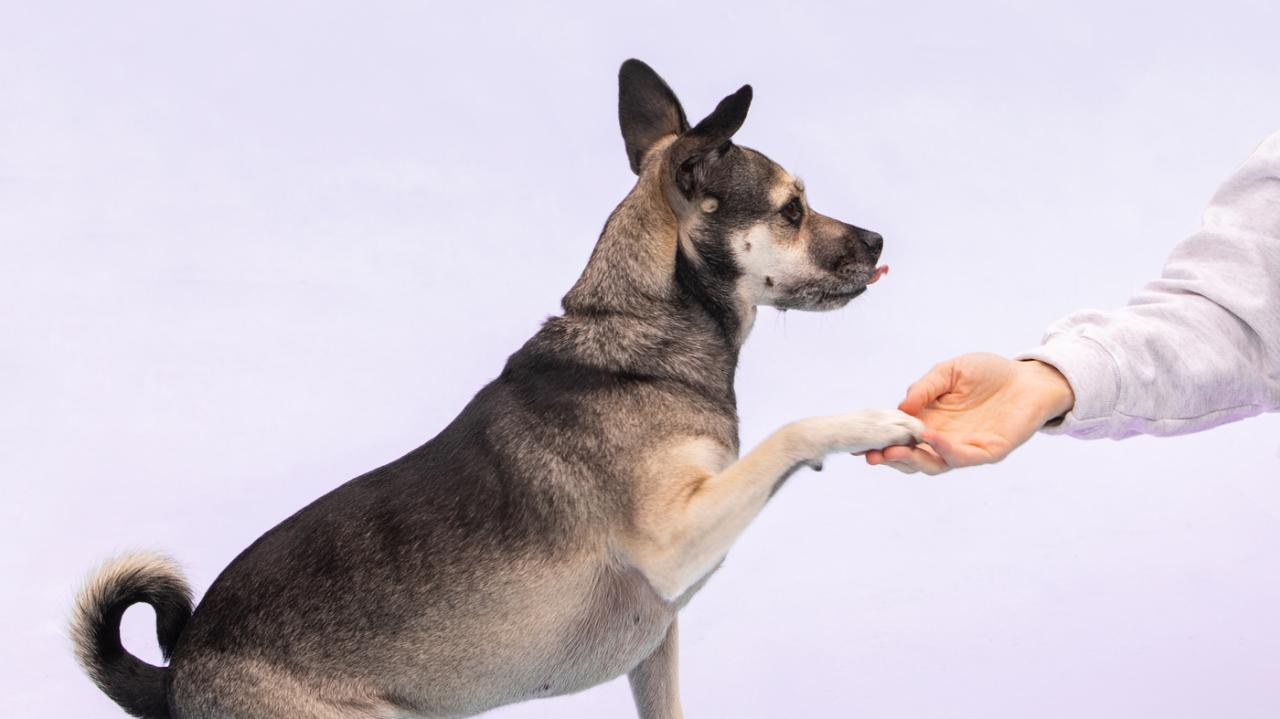
In conclusion, rewarding your dog effectively involves a multifaceted approach encompassing a deep understanding of your dog’s needs and personality. By tailoring your reward strategies to specific behaviors and environments, you can achieve consistent progress and a well-behaved, happy companion. Remember, consistency, patience, and positive reinforcement are key elements in successful dog training. This guide provides a comprehensive framework for implementing a reward-based training program, empowering you to cultivate a strong and loving bond with your furry friend.