Bringing a new dog into your home is an exciting but potentially challenging time. Successfully introducing your canine companion to their new surroundings and household members requires careful planning and execution. This guide provides a comprehensive overview of the key steps involved, from initial preparations to maintaining the transition. A smooth introduction sets the stage for a loving and harmonious relationship between your dog and your family.
This guide will cover crucial aspects like preparing your home for the dog’s arrival, creating a comfortable space for them, introducing them to the family, establishing clear rules, and ongoing training and socialization. It will also address potential issues such as separation anxiety and unwanted behaviors, providing practical solutions and strategies to ensure a positive experience for everyone.
Initial Preparation
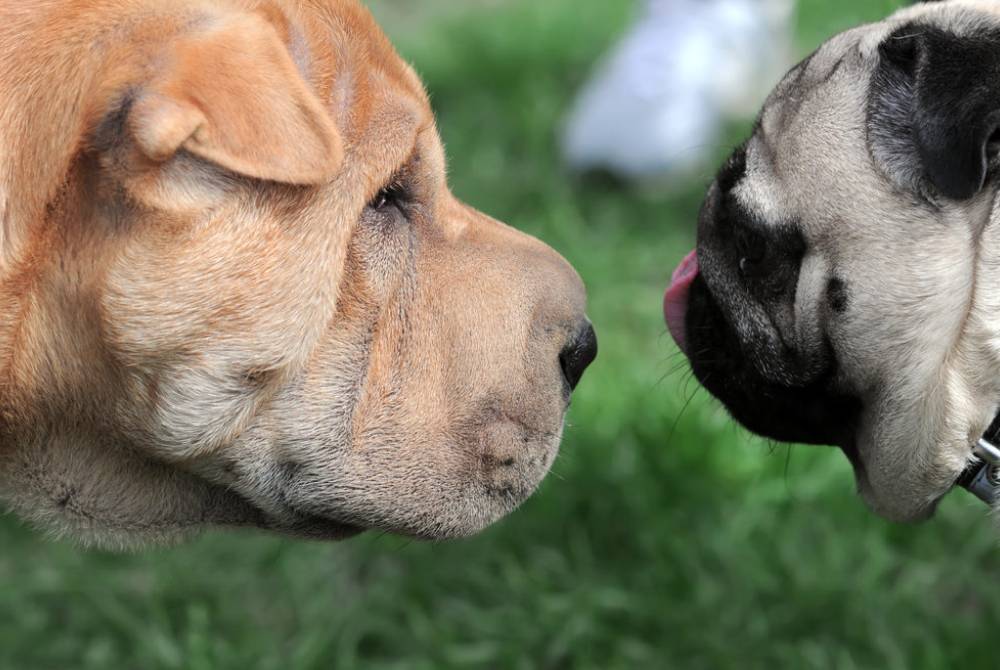
Bringing a new dog into your home is an exciting but important transition. Careful preparation beforehand significantly impacts the dog’s comfort and ease of acclimation to its new environment. This phase focuses on setting the stage for a positive and smooth integration.Thorough preparation minimizes stress for both you and your new canine companion. This includes creating a safe and familiar space, ensuring the house is dog-proofed, and familiarizing the dog with new scents and sounds.
A well-structured pre-arrival plan will greatly contribute to a harmonious and successful transition.
Preparing the House
Proper preparation of the house involves a series of crucial steps to ensure a safe and comfortable environment for your new dog. Dog-proofing your home involves identifying and removing potential hazards. This includes securing electrical cords, toxic plants, cleaning supplies, and other items that could harm or be ingested by your dog.
Establishing a Safe Space
Creating a designated safe space for your dog is vital. This area, typically a quiet corner or room, should provide a sense of security and comfort. The safe space should be furnished with familiar items, such as blankets or toys from the previous environment, to create a calming atmosphere. This area should remain undisturbed throughout the adjustment period.
Familiarizing the Dog with the New Surroundings
Familiarizing the dog with the new surroundings involves gradual exposure to various smells, sounds, and sights. Before bringing the dog home, take photos and videos of the house to familiarize the dog with the environment. Play recordings of common household sounds, such as doorbells or vacuum cleaners, to help the dog get used to them. This proactive approach will help the dog feel more comfortable and less overwhelmed.
Pre-Arrival Checklist
This checklist will ensure a smooth transition for your new canine companion:
- Dog-Proof the House: Remove hazards like toxic plants, electrical cords, and cleaning supplies. Secure cabinets and drawers.
- Establish a Safe Space: Designate a quiet area with familiar items like bedding or blankets. This space should remain consistent.
- Prepare Food and Water: Have a supply of food and water bowls ready, and ensure you have enough food for the first few days.
- Familiarize with Sounds: Play recordings of household sounds (vacuum cleaners, doorbells) to prepare the dog.
- Purchase Necessary Supplies: Obtain food, water bowls, toys, bedding, and any other essential items.
- Arrange for Transportation: Plan the transport method to the new home and make sure it’s safe and comfortable for the dog.
- Inform Family Members: Instruct family members about the new dog’s arrival and their role in creating a positive experience.
Essential Supplies
A well-stocked supply of essential items will make the transition easier. These supplies include food, water bowls, toys, bedding, and any other items needed to accommodate your dog.
| Item | Description |
|---|---|
| Food | Ensure you have enough of the dog’s regular food for the first few days. |
| Water Bowls | Two or more bowls for water, ideally in different locations. |
| Toys | A selection of engaging toys, including chew toys and interactive toys. |
| Bedding | A comfortable bed or blanket for the dog’s safe space. |
| Leash and Collar | A leash and collar for walks and safety. |
| Grooming Supplies | Essentials like brushes and shampoos for upkeep. |
Introduction Process

Introducing a new dog to your household requires careful planning and execution to ensure a smooth transition for both the new arrival and your existing family members. This process involves gradual exposure, positive reinforcement, and proactive management of potential anxieties. Understanding the specific needs of your dog and your household dynamics is crucial for a successful introduction.The introduction phase is a delicate dance between establishing trust and ensuring the safety of all members.
Careful observation and a flexible approach are vital to navigate any challenges that may arise. Consistency and patience are key to fostering a positive and lasting relationship between your new dog and the rest of your household.
Methods for Introducing the Dog to Household Members
Introducing a new dog to your existing family members, including children and other pets, requires a strategic and phased approach. Focus on establishing positive associations from the start.
- Children: Supervise interactions closely, emphasizing gentle handling and respect for the dog’s personal space. Teach children appropriate commands and body language, ensuring they understand how to interact safely and respectfully with the new dog. Explain to children that the dog may not be comfortable with all interactions, and that they should not approach or touch the dog without adult supervision.
Positive reinforcement for respectful behaviour is crucial.
- Other Pets: Separate the animals initially to allow them to adjust to the new scents and sounds without direct contact. Supervise all interactions closely to prevent conflicts or injuries. Provide a secure and enclosed space for the new dog, away from the existing pets’ areas, to avoid direct confrontation. Slowly introduce them to shared spaces under close supervision, rewarding calm and non-aggressive behaviour.
- Adults: Introduce the new dog calmly and confidently. Maintain a neutral and controlled environment to prevent any fear or anxiety. Focus on positive interactions and provide reassurance and support for the new dog.
Managing Anxieties and Challenges
Anticipating and managing potential anxieties during the introduction period is critical for a successful integration. Understanding and addressing these concerns proactively can greatly improve the outcome.
- Fear and Aggression: Recognize signs of fear or aggression in the dog and in existing pets. Provide a safe space for the new dog and for the other pets. Consult with a veterinarian or a certified dog trainer for advice and strategies to address such issues.
- Territorial Disputes: Establish clear boundaries and resources for both the new dog and existing pets. Avoid confrontations, and ensure each animal has its own space and resources. Supervise all interactions closely to prevent territorial disputes. If disputes occur, separate the animals and consult a professional for guidance.
- Destructive Behaviour: Ensure the new dog has appropriate outlets for energy and frustration, such as chew toys and exercise. Provide a structured routine and consistent training to help the dog adjust to its new environment. Be patient and understanding during the initial period, recognizing that adjustment takes time.
Strategies for Gradual Exposure and Positive Reinforcement
Gradual exposure and positive reinforcement are essential elements in the introduction process. These methods encourage positive associations and reduce stress.
- Scent Introductions: Introduce the dog to the scent of other household members and pets through controlled exposure. Use familiar items like clothing or blankets to allow the dog to get accustomed to the smells.
- Visual Introductions: Allow the dog to see other members of the household from a safe distance, gradually decreasing the distance over time. Positive reinforcement and calm interactions are crucial.
- Controlled Contact: Introduce controlled contact with household members, rewarding calm and non-aggressive behaviour. Use positive reinforcement techniques to reinforce desired behaviour.
Step-by-Step Guide for the Introduction Process
A structured approach is essential for a smooth introduction. Consistency and patience are vital.
- Initial Separation: Establish separate spaces for the new dog and existing pets. Familiarize the new dog with its space, ensuring it has access to food, water, and a comfortable bed.
- Scent Exchange: Allow the dog to sniff clothing or blankets of other household members and pets.
- Controlled Visual Contact: Introduce the dog to other household members and pets through visual contact from a distance.
- Controlled Physical Contact: Supervise and encourage controlled interactions under supervision, rewarding calm behaviour.
- Gradual Integration: Allow the dog to spend more time in shared spaces under supervision.
Comparison of Introduction Techniques
Different techniques offer varying degrees of benefits and drawbacks.
| Technique | Benefits | Drawbacks |
|---|---|---|
| Scent introduction | Reduces stress, allows the dog to get used to the environment | Limited in establishing meaningful interactions |
| Visual introduction | Allows the dog to see the other pets/family members | Can be stressful for the dog |
| Controlled contact | Provides opportunity for interaction and learning | Requires close supervision and patience |
Establishing Rules and Boundaries
Introducing a dog to a new home is a significant transition. Establishing clear rules and boundaries early on is crucial for a harmonious living environment. A well-defined structure helps the dog understand expectations and promotes a positive and safe experience for both the dog and the family.A structured environment reduces anxiety and fosters a sense of security for the new resident.
This, in turn, leads to a more manageable and enjoyable cohabitation period. Clear expectations and consistent reinforcement are key to preventing unwanted behaviours and creating a positive relationship.
Importance of Clear Rules and Boundaries
Establishing clear rules and boundaries is vital for a dog’s well-being and the family’s peace of mind. A dog without clear guidelines may exhibit unwanted behaviors like jumping on people, chewing furniture, or excessive barking. This can lead to frustration and conflict within the household. Clear rules provide a framework for acceptable behavior, ensuring the dog feels secure and understood in their new surroundings.
Simple House Rules
A concise set of rules is more effective than a lengthy list. A dog can grasp several key rules. These rules should be positive and clearly communicated. Examples of simple house rules include:
- No jumping on people.
- No chewing on furniture or belongings.
- No barking excessively or at inappropriate times.
- Designated areas for eating, sleeping, and playing.
- Walking on a leash in designated areas only.
These rules should be tailored to the individual dog’s personality and the family’s lifestyle.
Positive Reinforcement Techniques
Positive reinforcement is a powerful tool for training and shaping a dog’s behavior. It involves rewarding desired actions with treats, praise, or toys. Using punishment can be counterproductive and may instill fear and anxiety.
- Rewarding desired behavior: Immediately rewarding a dog when they exhibit the desired behavior, such as sitting calmly or staying in a designated area, strengthens the association between the action and the reward.
- Consistency is key: Consistent application of rules and rewards is paramount. Inconsistency confuses the dog and hinders their learning.
- Verbal praise: A combination of treats and verbal praise further reinforces positive behaviors. Words like “good boy” or “good girl” are effective when used alongside rewards.
- Distraction techniques: Redirecting a dog’s attention away from unwanted behavior, such as chewing on furniture, to a more appropriate activity is a useful method. Providing a chew toy or engaging in a game can distract the dog.
Potential Problems from Lack of Rules
A lack of established rules can lead to various problems. Dogs may exhibit destructive behaviors, such as chewing furniture or excessive barking. This can lead to conflicts within the household and create difficulties in managing the dog’s behavior.
- Destructive behavior: Boredom, anxiety, or lack of clear boundaries can result in destructive behaviors like chewing on furniture or other belongings.
- Excessive barking: Lack of clear boundaries or training can lead to excessive barking at people, other animals, or even objects.
- Jumping on people: Uncontrolled excitement or a lack of training can lead to dogs jumping on people when they are greeted.
- Disobedience: Lack of consistent training and rules can lead to disobedience, making it difficult to manage the dog.
These problems can be addressed through consistent training, positive reinforcement, and establishing clear boundaries.
Role of Consistency
Consistency is crucial in maintaining the rules and boundaries. Inconsistency can confuse the dog, leading to behavioral problems and hindering the training process.
- Maintaining structure: Consistency in applying rules and rewards creates a predictable and safe environment for the dog.
- Preventing confusion: Consistent application of rules avoids confusion and promotes learning.
- Reinforcing good behavior: Consistent reinforcement strengthens the desired behaviors and reduces the likelihood of unwanted actions.
Training and Socialization

Early training and socialization are crucial for a dog’s well-being and harmonious integration into a new home. Properly trained and socialized dogs are more likely to be well-behaved companions, capable of adapting to various situations and environments. These foundational steps lay the groundwork for a positive and lasting relationship between the dog and their human.
Importance of Early Training and Socialization
Early training and socialization are vital for shaping a dog’s behavior and fostering positive interactions with other animals and people. A well-socialized dog is more likely to exhibit confidence and adaptability in new situations, reducing anxiety and potential behavioral problems. Early exposure to different sights, sounds, people, and other animals helps dogs develop appropriate responses, building a strong foundation for future interactions.
This also reduces the risk of developing fear-based aggression or other undesirable behaviors.
Positive Reinforcement Training Methods
Positive reinforcement training methods focus on rewarding desired behaviors, rather than punishing undesirable ones. This approach builds a positive association with training, fostering a stronger bond between the dog and handler. Rewards can include treats, praise, toys, or even a favorite activity. Consistency and patience are key to success. For example, using a marker word like “yes!” immediately before a reward reinforces the exact behavior you want to see.
This method encourages the dog to associate the desired action with a positive outcome.
Socialization Strategies
Socialization involves exposing the dog to a variety of people, animals, and environments in a controlled and positive manner. Start with controlled encounters, gradually increasing the complexity and intensity of interactions. This can include taking the dog to dog parks, dog-friendly cafes, or attending obedience classes. Supervised interactions with other dogs can help them learn appropriate social cues and prevent potential aggression.
It’s essential to always prioritize the dog’s comfort and safety during socialization activities.
Addressing Behavioral Issues
Identifying and addressing behavioral issues promptly is crucial for preventing escalation. Potential issues can range from barking excessively to aggression or fearfulness. If you notice any concerning behaviors, consult with a certified professional dog trainer or veterinarian. A professional can help identify the root cause of the problem and recommend tailored solutions. Early intervention can often prevent more significant issues from developing.
For example, if a dog is exhibiting fear-based aggression, a professional can help the dog overcome its fear through gradual exposure and positive reinforcement techniques.
Ongoing Training and Socialization
Training and socialization are not one-time events; they are ongoing processes. Continuously reinforcing learned behaviors and introducing new experiences keeps the dog engaged and prevents regression. This includes incorporating training into daily routines, like incorporating commands during walks or playtime. Consistent socialization ensures the dog remains well-adjusted and confident in various situations. Maintaining a routine and consistency in training helps the dog adapt to new situations and maintain good behavior.
Dog Breed Training Needs
| Breed | Training Needs | Socialization Needs |
|---|---|---|
| Labrador Retriever | High | High |
| German Shepherd | High | Medium |
| Poodle | Medium | High |
| Bulldog | Medium | Low |
This table provides a general overview of training and socialization needs for different breeds. It’s important to remember that individual dogs may have varying needs, and professional guidance is always beneficial. A professional dog trainer can provide personalized advice based on the specific characteristics of the dog.
Handling Potential Issues
Successfully introducing a dog to a new home involves anticipating and addressing potential challenges. Addressing these issues promptly and effectively can significantly contribute to a positive and harmonious relationship between the dog and its new family. This section provides strategies for managing common issues, encouraging proactive problem-solving, and highlighting the importance of professional support when needed.
Managing Separation Anxiety
Separation anxiety, a common issue among dogs, manifests in various ways, from excessive barking and howling to destructive chewing and inappropriate urination. Recognizing the signs is crucial in implementing effective management strategies. Consistent routines and gradual desensitization are key elements in mitigating separation anxiety. Providing enriching activities and mental stimulation while the owner is away can also be very helpful.
- Consistent Routines: Establish a predictable schedule for feeding, playtime, and rest. This consistency can provide a sense of security for the dog.
- Gradual Desensitization: Gradually increase the duration of time the dog spends alone. Start with short absences, gradually increasing the time as the dog demonstrates tolerance.
- Enrichment Activities: Provide puzzle toys, chew toys, or other engaging activities to occupy the dog’s mind and prevent boredom. These can be particularly helpful in distracting the dog during periods of solitude.
Addressing Unwanted Behaviors
Addressing unwanted behaviors such as excessive barking, chewing, or digging requires a multifaceted approach. Understanding the underlying cause of the behavior is crucial. Boredom, anxiety, or lack of appropriate outlets for energy can all contribute to these issues.
- Barking: Identify the triggers for barking. Is it excitement, fear, or a desire for attention? Once the trigger is identified, appropriate counter-conditioning and desensitization can be employed. Ignoring the barking, when possible, can also help. Consider using positive reinforcement techniques for alternative behaviors, such as rewarding quiet moments.
- Chewing: Provide appropriate chew toys to satisfy the dog’s natural chewing drive. Ensure the dog has access to plenty of exercise and mental stimulation to prevent boredom-induced chewing. Remove any tempting items from the dog’s reach.
- Digging: If digging is a problem, identify potential triggers. Is it a need to bury scents, a lack of stimulation, or an instinctual urge? Redirecting the dog’s energy to other activities or providing a designated digging area can be effective.
Seeking Professional Help
If the dog exhibits persistent or severe issues, consulting a professional dog trainer or veterinarian is highly recommended. These professionals can provide tailored advice and strategies, often combining behavioral modifications with medical evaluations. Their expertise can prove invaluable in tackling complex challenges.
- Professional Guidance: A professional can assess the dog’s specific needs and develop a tailored behavioral plan.
- Medical Evaluation: A veterinarian can rule out any underlying medical conditions that might be contributing to the behavior.
Identifying Signs of Stress and Anxiety
Recognizing signs of stress or anxiety is critical for providing appropriate support. These signs can vary, but common indicators include panting, trembling, whining, or avoidance behavior. Responding to these signs with patience and understanding is essential.
- Physical Signs: Watch for changes in posture, such as tucking the tail, avoiding eye contact, or yawning frequently. Changes in vocalizations, such as whimpering or high-pitched yelps, can also be indicative.
- Behavioral Signs: Observe if the dog is hiding, becoming withdrawn, or displaying destructive behaviors. These behaviors often signal discomfort or anxiety.
Creating a Safe and Stimulating Environment
A safe and stimulating environment is crucial for a dog’s well-being. A structured and predictable space, along with opportunities for physical and mental engagement, can significantly reduce boredom and destructive behaviors.
- Safe Spaces: Designate a safe space for the dog, a cozy area with familiar items where they can retreat when feeling overwhelmed or anxious.
- Mental Enrichment: Provide puzzle toys, interactive games, and opportunities for learning to keep the dog mentally engaged.
- Physical Exercise: Ensure the dog gets regular exercise to burn off excess energy and prevent boredom.
Maintaining the Transition

Successfully introducing a dog to a new home is a multifaceted process. Maintaining the positive momentum established during the initial introduction and subsequent training phases is crucial for the dog’s long-term adjustment and happiness. This involves creating a stable routine, reinforcing positive behaviors, nurturing a healthy relationship, and addressing any potential setbacks with empathy and understanding.
Establishing a Consistent Routine
A consistent daily routine is essential for a dog’s well-being, particularly during a period of transition. Predictability fosters a sense of security and reduces anxiety. This includes consistent feeding times, playtime, walks, and rest periods. A structured schedule allows the dog to anticipate events, which can reduce stress and promote a more comfortable adjustment. For example, a dog used to a specific feeding schedule in its previous home should maintain that schedule as closely as possible in the new environment.
Inconsistency can disrupt the dog’s internal clock, potentially leading to behavioral issues.
Importance of Ongoing Positive Reinforcement
Positive reinforcement, beyond the initial training sessions, remains vital for maintaining a strong bond and encouraging desired behaviors. This involves acknowledging and rewarding positive actions, such as good manners, obedience, and calm behavior. Frequent praise, treats, and toys can reinforce the desired responses. This consistent reinforcement strengthens the positive association between the dog and the household members.
For example, a dog exhibiting calm behavior during a noisy event should be rewarded with praise and a treat to reinforce this desired response.
Maintaining a Healthy Relationship
Building and maintaining a strong, trusting relationship with the dog is paramount. This involves active listening, understanding their body language, and responding appropriately to their needs. Understanding canine communication is vital in fostering a positive relationship. Regular physical affection, such as gentle petting or cuddling, is also crucial. For example, acknowledging and responding to signs of stress, like panting or whining, demonstrates care and compassion.
This creates a supportive environment and strengthens the bond between the dog and the household members.
Handling Potential Regressions or Setbacks
It is important to anticipate that setbacks might occur during the transition period. These setbacks could manifest as regressions in previously learned behaviors or the emergence of new anxieties. Addressing these situations with patience and understanding is key. Identifying the potential cause of the regression is important. This might involve stress from the environment, a lack of familiar cues, or even a change in the routine.
For example, if a dog previously exhibiting good leash manners starts pulling, this could be due to a new scent, or a change in the dog walker’s routine.
Maintaining the Dog’s Happiness and Well-being
Maintaining the dog’s happiness and well-being involves attending to their physical and emotional needs. Adequate exercise, proper nutrition, and a safe and stimulating environment are crucial. Encouraging mental stimulation through interactive games and puzzles can also contribute to the dog’s overall well-being. For example, a dog who is bored may exhibit destructive behaviors, such as chewing furniture.
Providing mental stimulation and exercise can help prevent these behaviors. Remember to consult with a veterinarian or certified dog trainer if concerns arise.
Closing Notes
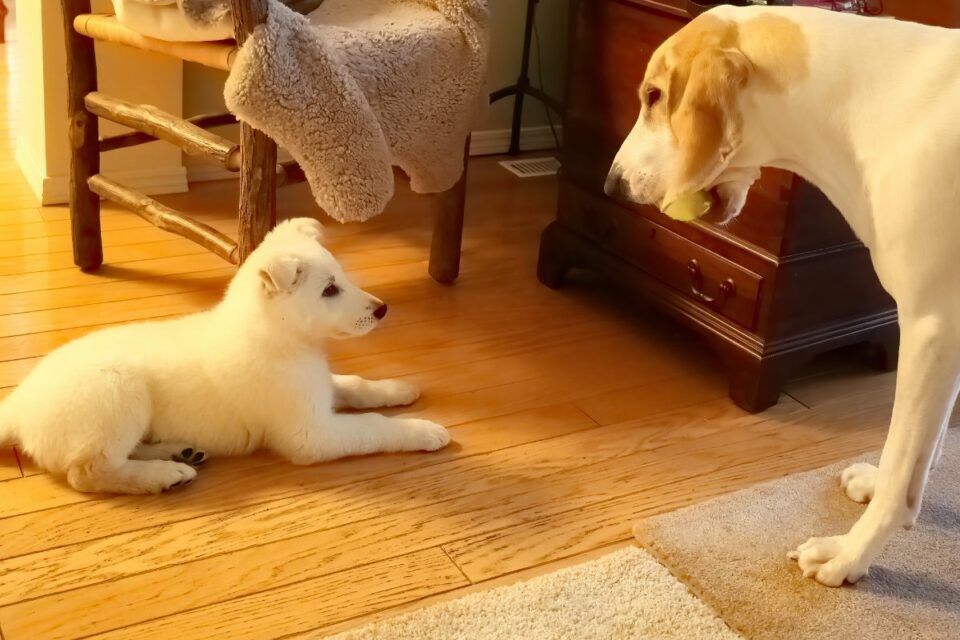
Successfully introducing a dog to a new home is a journey requiring patience, consistency, and a proactive approach. By following the steps Artikeld in this guide, you can create a supportive and nurturing environment that fosters a strong bond between your dog and your family. This detailed process, from pre-arrival preparation to long-term adjustment, will equip you with the knowledge and tools to navigate this exciting transition smoothly.