Introducing a dog to a baby is a significant milestone, requiring careful planning and execution. This guide provides a comprehensive framework for a safe and positive introduction, covering crucial considerations from initial assessment to long-term care. It emphasizes creating a supportive environment and fostering a harmonious relationship between the new family members.
This guide will cover essential preparation steps, including assessing the dog’s temperament, the baby’s developmental stage, and the home environment. We’ll delve into strategies for gradual introductions, positive reinforcement techniques, and crucial training methods to ensure the safety and well-being of both the dog and baby. We’ll also explore troubleshooting common problems and maintenance for a lasting positive relationship.
Initial Considerations
Introducing a dog to a baby is a significant event requiring careful planning and consideration. A well-executed introduction process can foster a loving and harmonious relationship between the dog and baby, while a poorly planned one can lead to potential conflicts or even injury. Understanding the nuances of both the dog’s and baby’s needs is paramount for a successful introduction.Careful preparation and a thoughtful approach are key to ensuring the safety and well-being of both the dog and the baby.
This involves assessing the dog’s temperament, the baby’s developmental stage, and the home environment. Each factor contributes significantly to the success of the introduction.
Dog Temperament Assessment
Assessing a dog’s temperament is crucial before introducing them to a baby. Dogs with a history of aggression, fear, or anxiety may not react well to the presence of a baby, potentially causing harm. A calm and well-socialized dog, on the other hand, is more likely to adjust positively to the new dynamic.
- Observe the dog’s response to unfamiliar individuals, children, and other dogs.
- Evaluate the dog’s response to sudden movements, loud noises, and changes in routine.
- Consider the dog’s training history and obedience level.
- Seek guidance from a veterinarian or certified dog trainer to assess the dog’s suitability for a baby.
Home Environment Preparation
Creating a safe and comfortable environment for both the dog and baby is essential. This involves designating specific areas for each, and establishing clear boundaries to avoid conflicts. Consider the dog’s usual sleeping and eating areas and how these might be affected by the baby’s presence.
- Designate a separate, secure area for the dog, ideally with a comfy bed, toys, and food/water bowls.
- Establish clear boundaries and rules for the dog, like keeping them out of the baby’s designated play area or preventing them from jumping on the baby.
- Remove any items the dog might find tempting, like small objects, medications, or food, that are not safe for the baby.
- Ensure that all dog toys are non-toxic and appropriate for the dog’s size and age. Provide a safe place for the dog to relieve itself, away from the baby’s area.
Baby Developmental Stage Assessment
Understanding the baby’s developmental stage is crucial for a smooth introduction. Babies at different ages react differently to new stimuli. A newborn will have a different reaction than a toddler.
- Assess the baby’s response to new people, sounds, and objects.
- Gauge the baby’s tolerance for new experiences and their comfort levels with the dog’s presence.
- Take into account the baby’s ability to communicate discomfort or fear, which might vary based on age and developmental milestones.
- Observe how the baby reacts to interactions with other pets and family members.
Safe Introduction Checklist
A structured approach to introduction ensures the safety and well-being of both the dog and baby. It’s crucial to start with controlled, supervised interactions and gradually increase the duration of contact.
- Initial Observation: Observe the dog’s and baby’s reactions to each other from a distance.
- Controlled Interactions: Allow supervised interactions with minimal direct contact. Keep the baby in a safe space and monitor the dog’s behavior.
- Gradual Introduction: Increase interaction time, allowing for more physical contact under strict supervision.
- Positive Reinforcement: Reward calm and appropriate behavior in both the dog and baby. This reinforces good interactions.
- Supervised Interactions: Ensure constant supervision during all interactions.
Early Interactions

Introducing a dog and baby to each other requires careful planning and a phased approach. Establishing clear boundaries and routines from the outset will significantly reduce stress for both the animal and the child. Positive interactions during these initial encounters are crucial for developing a harmonious relationship.Positive reinforcement techniques are essential in fostering a safe and enjoyable environment for both the dog and the baby.
These early interactions should be carefully managed to build trust and understanding between them.
Controlled Introduction
Careful planning and a controlled environment are key for a successful introduction. Begin by introducing the dog and baby in a separate room, separated by a gate or baby playpen. This controlled environment allows for gradual acclimation to each other’s presence. Visual and auditory cues can be used to encourage familiarity before physical interaction.
Positive Reinforcement Techniques
Positive reinforcement plays a pivotal role in shaping the dog’s behavior and the baby’s response to the dog. Rewards such as treats, praise, or toys can reinforce desired behaviors, such as calm demeanor and gentle interactions. It’s crucial to maintain a consistent and positive tone throughout these interactions. Avoid harsh corrections or punishment, as these can negatively impact the dog’s behavior and create fear or anxiety.
Gradual Introductions
Gradual introductions are essential to mitigate potential anxieties. Start with short, supervised interactions, gradually increasing the duration as both the dog and baby become more comfortable. Allow for space and time for the dog to approach and the baby to react without pressure. Observe the dog’s body language, looking for signs of stress or anxiety. If the dog shows signs of stress, immediately remove it from the situation.
Managing Anxiety and Fears
Dogs and babies may exhibit anxiety or fear during introductions. Dogs might react to loud noises, sudden movements, or unfamiliar smells. Babies might cry or become distressed due to the dog’s size, noise, or movement. Understanding these potential triggers allows for proactive management. Maintaining a calm and reassuring presence during these interactions is critical.
If anxiety persists, consult with a professional dog trainer or a child development specialist.
Establishing Boundaries
Teaching the dog that the baby is not a toy is paramount. This involves consistent and clear communication. The dog should be taught to avoid touching the baby when the baby is upset or distressed. It is important to avoid situations where the dog might perceive the baby as a plaything. Consistent verbal cues and redirection can effectively convey this message.
The dog must learn that approaching the baby without permission will result in a timeout or redirection.
Examples of Positive Interactions
Consider scenarios where the dog and baby are exposed to each other. Initially, the dog can be in a separate room, while the baby is in another, with a gate separating them. Once the dog and baby are comfortable with visual and auditory cues, supervised interaction can commence. During interactions, reward the dog for calm behavior, such as staying still or not jumping.
Avoid situations that might trigger fear or anxiety in either the dog or the baby.
Training and Management
Introducing a new baby into a household with a dog requires a proactive training approach to ensure both the dog and the baby’s safety and well-being. A well-trained dog is better equipped to understand and respond appropriately to the presence of a baby, minimizing potential risks and maximizing the enjoyment of their shared space. Consistent training and management strategies are crucial to this process.
Comprehensive Training Program for Baby Safety
A comprehensive training program should prioritize commands related to baby safety. This includes teaching the dog commands such as “leave it,” “drop it,” “off,” “stay,” and “come.” Reinforce these commands consistently with positive reinforcement techniques, such as treats and praise. Start training these commands in a controlled environment, gradually increasing the complexity as the dog masters each command.
Respecting Personal Space Around the Baby
Establishing clear boundaries around the baby is vital. Teach the dog to respect personal space by using clear cues and consistent reinforcement. The dog should be trained to avoid touching the baby when they are in their high chair or crib. Using commands like “off” and “leave it” helps the dog learn appropriate behaviors. This process requires patience and repetition to establish a clear understanding of boundaries and appropriate interactions.
Preventing Unwanted Behaviors
Unwanted behaviors like nipping or jumping can be effectively managed through proactive training. Addressing nipping promptly, using a firm “no” and redirecting the dog’s attention to a suitable alternative activity, like a toy, is important. Consistency is key; each member of the household must use the same commands and responses. For jumping, teach the dog an alternative behavior, such as sitting or lying down, to get the desired attention.
This alternative behavior should be rewarded consistently.
Comparison of Training Methods
Positive reinforcement methods, which focus on rewarding desired behaviors, are generally considered most effective for training dogs and babies. These methods create a positive association with desired actions, leading to better compliance and a stronger bond. However, methods that incorporate elements of classical or operant conditioning can also be effective. The choice of method will depend on the individual dog’s temperament and learning style.
Common Dog Behaviors and Appropriate Responses
| Behavior | Description | Potential Cause | Appropriate Response |
|---|---|---|---|
| Jumping | Dog jumps on baby | Excitement, attention-seeking | Redirect to a toy, use a command like “sit” or “down.” |
| Barking | Dog barks excessively | Fear, anxiety, excitement | Identify the cause, provide a distraction, and use a command like “quiet.” |
| Nipping | Dog nips baby | Playfulness, teething | Redirect to a toy, use a command like “leave it.” If nipping is aggressive, consult a professional dog trainer immediately. |
Supervision and Safety
Introducing a baby and a dog into the same household requires a high level of vigilance and proactive planning. Constant supervision is paramount to ensuring a harmonious and safe environment for both. Neglecting this aspect can lead to unforeseen accidents, so establishing clear protocols and routines is crucial.Effective management involves anticipating potential issues and creating a structured approach to interactions.
This encompasses understanding canine behavior, recognizing baby cues, and implementing safety measures across various environments. By prioritizing safety and understanding, you can cultivate a secure and enjoyable coexistence for your family members.
Constant Supervision During Interactions
Maintaining constant supervision during all interactions between the dog and baby is vital. This means direct visual monitoring, not just placing them in the same room. Even seemingly minor interactions can escalate quickly, and proactive observation is key to preventing accidents. It’s not enough to simply hope for the best; active vigilance is required. For example, a playful dog might accidentally knock over a baby’s high chair, or a curious baby might reach for the dog’s food bowl.
Managing Interactions in Various Settings
A structured approach to interactions in different settings is necessary. At home, designate specific areas where the dog is allowed to be present when the baby is present. For instance, a dog bed in a corner of the living room or a designated play area in a different part of the house. This strategy reduces the chances of unwanted interactions.
In a park, use a leash and ensure the dog is responsive to commands. Never allow the dog off-leash around the baby, even for brief periods. Keep a close eye on both the dog’s and baby’s body language and intervene immediately if any signs of discomfort or distress are exhibited.
Ensuring Safety for Both Dog and Baby
Ensuring the safety of both the dog and baby is crucial. This involves understanding canine body language and recognizing baby cues. For instance, a dog that is panting heavily or showing signs of aggression might need to be removed from the vicinity. Likewise, a baby who is crying or exhibiting signs of distress might require immediate attention.
Safety Precautions
A comprehensive list of safety precautions is essential:
- Never leave the dog and baby unsupervised together, regardless of the setting.
- Keep potentially dangerous items (such as medications, cleaning supplies, or toxic plants) out of reach of both the dog and baby.
- Ensure the baby’s toys are not accessible to the dog and vice-versa.
- Keep food and water bowls securely stored when the baby is present to prevent accidental spills or grabbing.
- Use baby gates to create designated areas where the baby and dog cannot interact.
Recognizing Signs of Distress or Discomfort
Recognizing signs of distress or discomfort in either the dog or baby is crucial for immediate intervention.
- Dog Distress: Excessive panting, growling, barking, snapping, or avoiding eye contact.
- Baby Distress: Crying, whimpering, pulling away, or exhibiting signs of fear.
Immediate intervention and separation are crucial if either the dog or baby exhibits signs of distress or discomfort.
Long-Term Care and Maintenance
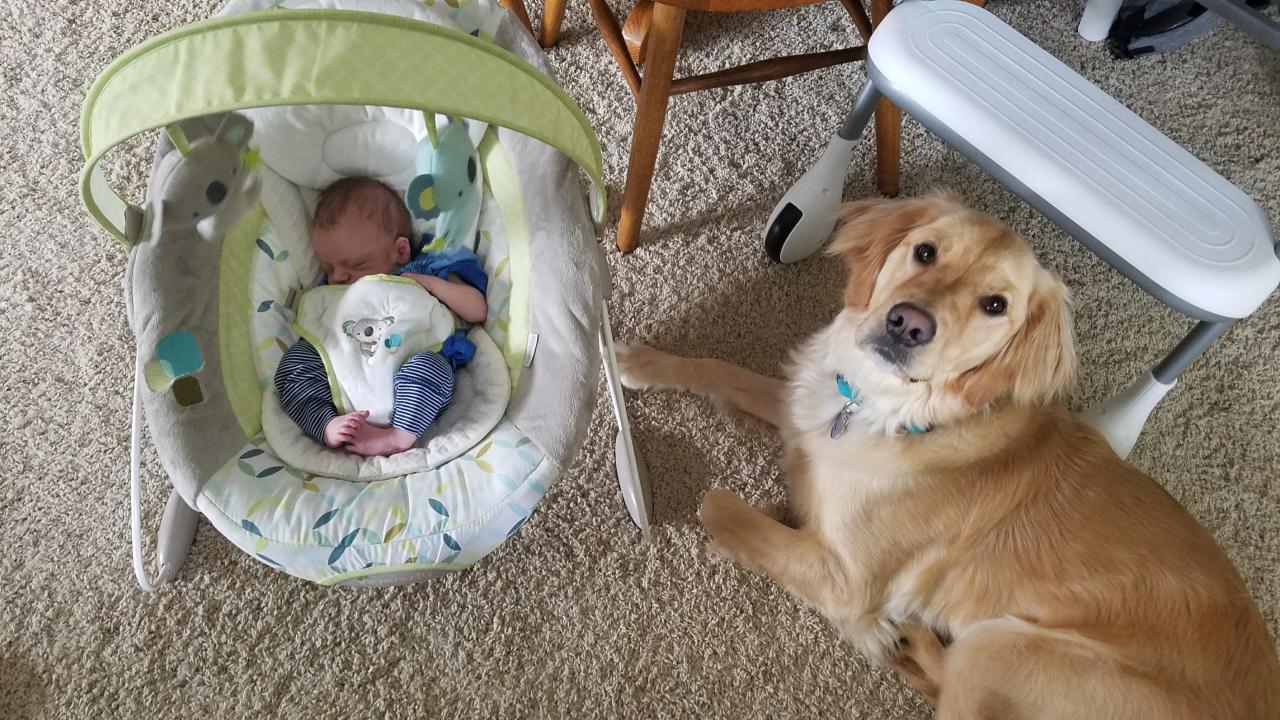
Establishing a harmonious relationship between a dog and a baby requires ongoing dedication and proactive management. Consistency in training and routine, coupled with a keen awareness of potential triggers, will significantly contribute to a positive and safe environment for both. Addressing issues promptly and proactively can prevent escalation and maintain a positive atmosphere.Ongoing training and management are crucial for the safety and well-being of both the dog and the baby.
A well-trained dog is better equipped to handle the unpredictable nature of a baby’s movements and actions, reducing the risk of misinterpretations and potential conflicts. Maintaining a consistent routine and providing clear boundaries are essential to ensure both the dog and the baby are comfortable and secure.
Ongoing Training and Management
Consistent training throughout the dog’s life, and especially during the baby’s early development, is vital. This includes reinforcing already established commands, and introducing new ones that are relevant to the presence of the baby. Recall commands are paramount, as is teaching the dog to remain calm and focused when the baby is present. The dog should be taught appropriate behaviours around the baby’s feeding, sleeping, and changing areas, and they should not be allowed to approach the baby when the baby is unattended.
Maintaining a Positive Relationship
A positive relationship between the dog and baby requires a deliberate effort to foster trust and respect. Regular positive reinforcement, through praise and treats, should be used for calm and appropriate behaviours around the baby. This positive reinforcement can be as simple as a kind word or a pat on the head when the dog exhibits calm and respectful behaviour.
Avoid harsh or aggressive corrections, as this can negatively impact the dog’s attitude and behaviour.
Addressing Potential Issues
Early identification and intervention are key to resolving potential issues. Pay close attention to any changes in the dog’s behaviour, such as increased barking, growling, or lunging towards the baby. If such behaviour is observed, immediately separate the dog and baby and consult a professional dog trainer.
Preventing Future Conflicts
Establishing clear boundaries and routines is crucial in preventing future conflicts. Designate specific areas for the baby and the dog, and maintain these designated areas as their own. Regular exercise and mental stimulation for the dog can also help to prevent boredom and frustration, which can lead to undesirable behaviours. Supervise all interactions between the dog and the baby, especially during the initial stages of introducing them.
Incorporating the Dog into Family Routines Involving the Baby
Incorporating the dog into family routines with the baby requires careful planning and execution. During the baby’s early developmental stages, the dog should be gradually introduced to the baby’s presence, always under supervision. As the baby grows, the dog can be gradually introduced to more complex family activities, but always with a watchful eye to maintain a safe environment.
Introducing the dog to the baby’s routine, like feeding times, can be accomplished through supervised interactions in a calm environment. As the baby grows and their activities change, the dog’s training and interactions need to adapt to maintain a harmonious environment.
Troubleshooting Common Problems
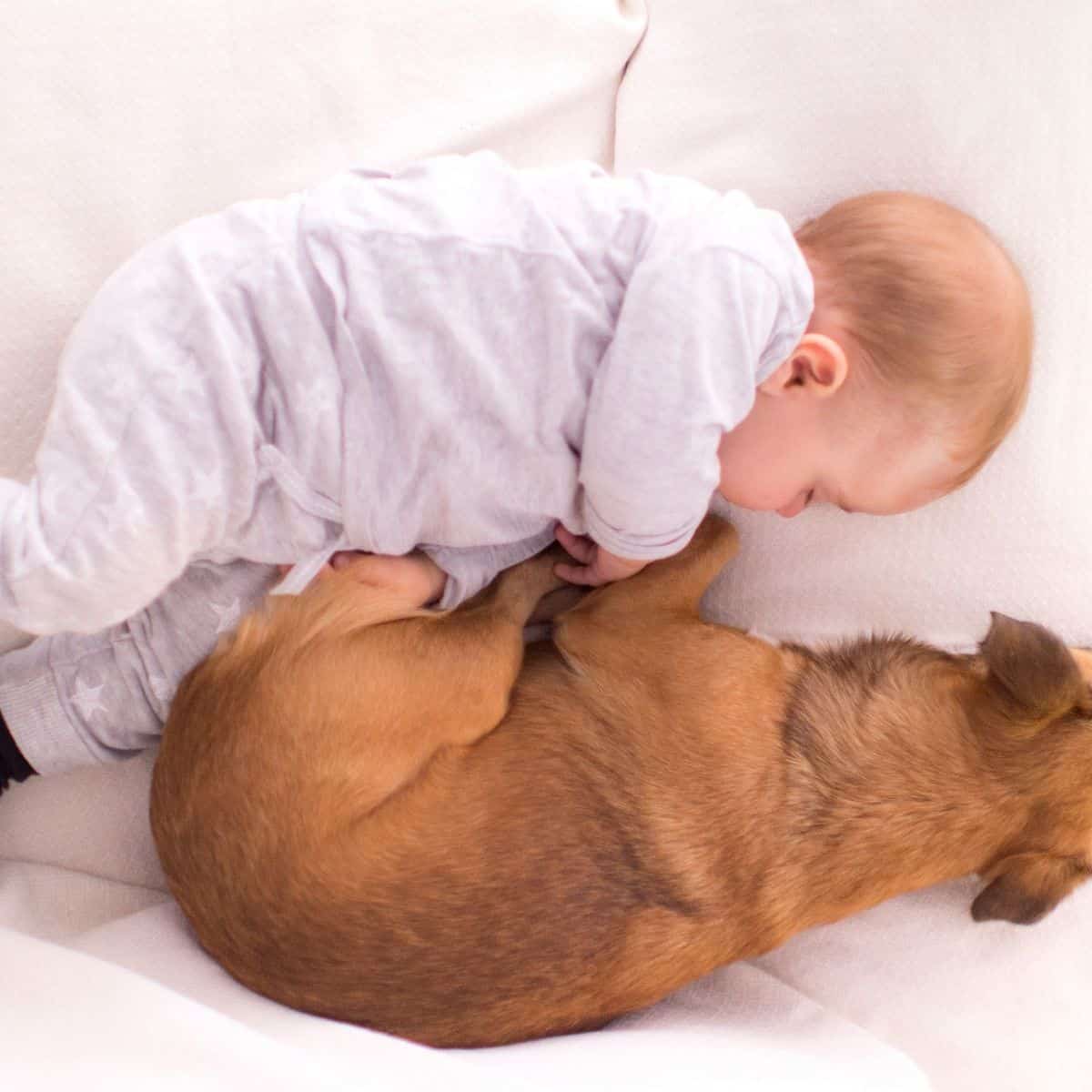
Introducing a baby into a household with a dog requires careful planning and ongoing management. Potential challenges can arise, but with proactive strategies and a deep understanding of canine behavior, these issues can be effectively mitigated. Addressing these concerns early and with consistent techniques ensures a harmonious environment for both the dog and the baby.
Identifying and Addressing Behavioral Changes in the Dog
Dogs, like humans, can experience stress and anxiety in response to significant life changes. The introduction of a baby can cause noticeable behavioral shifts in a dog, potentially ranging from increased barking or destructive behaviors to withdrawal or avoidance. Understanding the root causes of these alterations is critical for developing appropriate solutions.
- Increased Anxiety and Stress: Dogs may exhibit heightened anxiety due to the unfamiliar presence of a baby. This may manifest as increased barking, whining, or destructive behaviors like chewing or digging. The baby’s unfamiliar sounds, movements, and scents contribute to the dog’s stress. Addressing this often requires creating a predictable environment for the dog and reducing their exposure to overwhelming stimuli.
- Territorial Disputes: A dog might perceive the baby as a threat to its territory, especially if it has established the household space as its own. The dog might exhibit guarding behaviors, such as growling or snapping at the baby. Strategies for managing this include providing the dog with sufficient space and resources (like their own bed and toys) and ensuring the dog is consistently supervised during interactions with the baby.
- Competition for Attention: The baby’s need for constant attention may be perceived as competition for the dog’s affection and attention. This can lead to increased barking or attention-seeking behaviors from the dog. Distraction techniques, like providing the dog with stimulating activities, can help divert the dog’s focus and ensure they receive adequate attention.
Addressing Separation Anxiety
Separation anxiety, a common issue in dogs, can be exacerbated when a baby is present. The dog may experience increased anxiety when separated from the baby, leading to destructive behaviors or vocalizations. Understanding the triggers and implementing appropriate countermeasures is crucial.
- Gradual Introduction: A gradual introduction to the baby’s presence is key to reducing the dog’s anxiety. Allow the dog to observe the baby from a safe distance, then gradually introduce them through supervised interactions. This gradual approach allows the dog to acclimate to the new member of the family.
- Establish a Routine: A consistent routine helps the dog feel secure and anticipate events. This includes predictable feeding times, playtime, and rest periods. Consistent routines can significantly reduce the dog’s stress response.
- Training Techniques: Training techniques that focus on positive reinforcement and distraction are vital for managing separation anxiety. This may include rewarding calm behavior when the baby is present or using a combination of toys and treats to distract the dog during separation periods.
Addressing Destructive Behaviors
Destructive behaviors, such as chewing or digging, can occur when a dog feels anxious or bored. These behaviors may escalate if the dog is not adequately stimulated or provided with appropriate outlets for their energy.
- Boredom and Lack of Stimulation: If a dog is bored or lacks sufficient mental and physical stimulation, it may resort to destructive behaviors. Provide the dog with engaging activities, such as puzzle toys, chew toys, and interactive games, to channel their energy constructively.
- Lack of Training: Insufficient training can lead to inappropriate behaviors. Consistent training that focuses on basic obedience commands, such as sit, stay, and come, will reinforce appropriate behaviors and limit unwanted actions.
- Attention-Seeking Behaviors: Destructive behaviors may sometimes be a way for the dog to gain attention. Redirect the dog’s attention towards positive behaviors by rewarding them when they engage in acceptable activities.
Last Word
Successfully introducing a dog to a baby requires a proactive and thoughtful approach. By understanding the nuances of both animal and human behavior, and implementing the strategies Artikeld in this guide, families can foster a loving and lasting bond between their furry friend and little one. This comprehensive guide equips readers with the knowledge and tools to navigate this exciting transition smoothly.