Loud noises can be terrifying for dogs, causing anxiety and fear. This comprehensive guide provides a structured approach to desensitize your dog to various frightening sounds, from fireworks to thunderstorms. By understanding the underlying behavioral principles and implementing a gradual desensitization plan, you can help your canine companion overcome their fear and enjoy a more peaceful life.
This guide will explore the key steps to effectively desensitize your dog, from identifying specific triggers to implementing a tailored plan, ensuring a calm and positive experience for both you and your furry friend. We’ll also cover important environmental considerations and when professional guidance might be necessary.
Understanding Dog Desensitization
Desensitization is a crucial behavioral technique used to help dogs adapt to and cope with loud noises. It involves gradually exposing the dog to increasing levels of noise, paired with positive reinforcement, to reduce fear and anxiety responses. This process, when properly implemented, can significantly improve a dog’s quality of life and well-being.The core concept of desensitization relies on systematically decreasing a dog’s fear response to a specific stimulus, in this case, loud noises.
By repeated, controlled exposure, the dog learns that the noise isn’t inherently harmful, leading to a reduction in anxiety and avoidance behaviors. This method is particularly useful for dogs experiencing fear or anxiety triggered by various sounds.
Types of Loud Noises and Their Impact
Dogs can be exposed to a wide range of loud noises, each with potential varying impacts on their behavior. Thunderstorms, fireworks, construction work, traffic, and even vacuum cleaners can cause significant distress in some dogs. The intensity, duration, and unpredictability of these sounds are key factors determining the dog’s response. A sudden, intense noise like a gunshot can trigger a more pronounced and immediate fear response than a more gradual noise like a lawnmower.
The potential impact on the dog can range from mild anxiety to severe panic, manifesting in behaviors such as barking, panting, trembling, hiding, or even aggression.
Behavioral Principles Behind Desensitization
Desensitization techniques leverage fundamental behavioral principles. Classical conditioning plays a critical role, where the dog learns to associate the previously feared stimulus (the noise) with a positive experience (the reward). Operant conditioning is also essential. Positive reinforcement, like treats or praise, strengthens desired behaviors and encourages the dog to approach and tolerate the noise. A crucial element is the dog’s comfort level at each stage of the process.
Avoidance behaviors are not reinforced, ensuring the dog feels safe and comfortable throughout the exposure.
Gradual Exposure and Positive Reinforcement
Gradual exposure is paramount to successful desensitization. A dog should not be overwhelmed with a noise too intense for their current comfort level. The process begins with the least intense sound, gradually increasing the intensity as the dog demonstrates a positive response. Positive reinforcement is key throughout this process. Rewards, such as treats or praise, are provided when the dog exhibits calm behavior in the presence of the noise.
This association creates a positive experience, reducing fear and encouraging tolerance. For example, if the noise is a vacuum cleaner, initially, a very quiet, short-duration vacuuming can be used. Gradually increasing the duration and intensity of the vacuuming, and providing rewards each time the dog remains calm, is crucial to success.
Potential Risks and Challenges
While desensitization is generally a safe and effective method, potential risks and challenges exist. Overexposure or inappropriate methods can worsen the dog’s fear response. Dogs can become overwhelmed if the intensity of the noise is too high or the duration of exposure is excessive. The dog’s individual temperament and previous experiences with loud noises greatly influence the effectiveness and safety of the process.
Patience, consistency, and careful observation are essential for successful desensitization. If a dog’s fear response escalates significantly, professional veterinary or behavioral consultation should be sought. Monitoring the dog’s body language throughout the process is vital, and stopping the exposure if signs of distress emerge.
Identifying the Trigger

Accurately identifying the specific loud noises that trigger fear or anxiety in a dog is crucial for developing an effective desensitization plan. This step allows for a targeted approach, focusing on the stimuli that directly cause distress, rather than attempting to address a broad range of sounds. Understanding the individual dog’s response is paramount; one dog might be startled by a vacuum cleaner, while another might be terrified by fireworks.
A tailored plan will ensure the most successful outcome.
Common Loud Noise Triggers
Identifying the common loud noises that often cause fear or anxiety in dogs is a helpful first step. This knowledge helps narrow down the potential triggers for a specific dog. Common triggers include:
- Fireworks: The sudden, explosive nature of fireworks is often extremely frightening for dogs. The unpredictability and the rapid changes in sound and light are key factors in triggering fear.
- Thunderstorms: The loud booms of thunder, combined with flashing lightning, often create a terrifying experience for many dogs. The combination of sound and visual stimuli can escalate fear.
- Construction Noise: The constant and varied sounds of construction, such as jackhammers, drills, and heavy machinery, can be overwhelming and frightening for dogs. The intensity and prolonged nature of the noise can create significant distress.
- Vacuum Cleaners and Other Household Appliances: The high-pitched, repetitive sounds of many household appliances, including vacuum cleaners, lawnmowers, and blenders, can be particularly startling for some dogs. The unfamiliar sounds and unpredictability are often unsettling.
- Traffic Noise: The constant roar of traffic, particularly in urban environments, can be a significant trigger for dogs. The volume and sustained nature of the noise can contribute to anxiety and fear.
- Sirens and Emergency Vehicles: The sudden, loud, and often unpredictable sounds of sirens can be deeply frightening for dogs. The sudden and sharp changes in sound can induce strong reactions.
Identifying a Dog’s Specific Triggers
Developing a method to pinpoint the specific noises that trigger a dog’s fear is crucial for tailoring desensitization strategies. A systematic approach, combining observation and careful recording, is necessary to identify the precise triggers.
- Observation During Exposure: Carefully observe the dog’s behavior when exposed to potential triggers. Pay close attention to body language changes, such as ears pinned back, tail tucked, panting, whining, or trembling. Note the intensity of the reaction and the specific sound associated with the reaction.
- Sound Recording: Recording the sounds that trigger a reaction allows for a more objective analysis. This method is particularly useful when the triggers are environmental, like traffic or construction noise. Using a sound recorder allows you to replay the sounds, making it easier to isolate the particular aspects of the sound that cause the dog’s distress.
- Dog’s Individual Response: Recognizing that each dog responds differently to loud noises is essential. Some dogs might react strongly to specific pitches or frequencies, while others might be more sensitive to sudden loud sounds. Understanding the dog’s unique response patterns is key to developing a tailored desensitization plan.
Assessing Reactions to Stimuli
Various methods exist to accurately assess a dog’s reaction to different stimuli. These methods provide a systematic way to understand the dog’s response to various sounds, enabling a targeted approach to desensitization.
- Behavioral Observation: Carefully monitoring the dog’s body language and behavior is a crucial step in understanding the dog’s response. Indicators such as panting, yawning, tail tucking, lip licking, and changes in posture are all significant signals to observe.
- Measuring Physiological Responses: Assessing physiological changes, such as heart rate and respiration, can provide valuable insights into the dog’s stress level. This can help quantify the intensity of the reaction and assist in determining the level of exposure required during desensitization training.
- Recording and Analyzing Data: Documenting the dog’s reactions, including the specific sound, the intensity of the sound, and the dog’s behavior, is vital. This data allows for patterns and triggers to be identified, helping create a targeted and effective desensitization plan.
Creating a Desensitization Plan
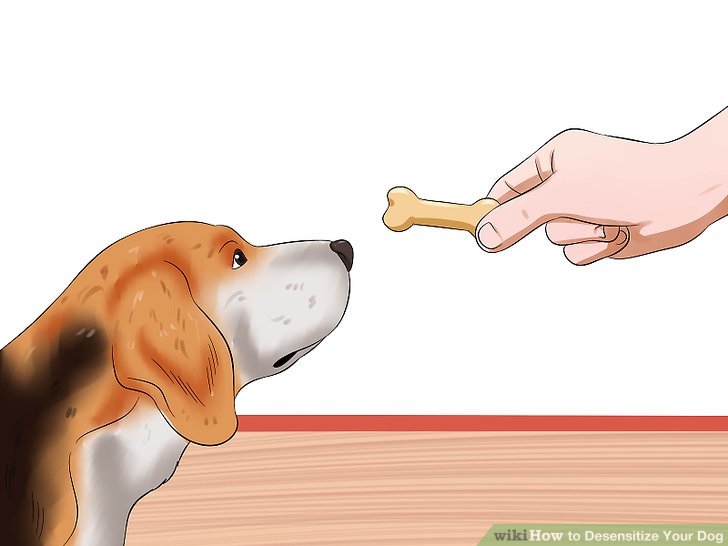
A carefully crafted desensitization plan is crucial for gradually exposing your dog to its triggers without overwhelming them. This approach allows dogs to adapt and build resilience, reducing their fear response over time. The key is to proceed at a pace that ensures the dog remains comfortable and confident throughout the process.
Step-by-Step Guide for Creating a Desensitization Plan
This structured approach ensures a gradual and controlled introduction to the trigger, allowing your dog to adapt and manage their fear response effectively. Each step is designed to reinforce positive associations with the trigger, reducing the dog’s anxiety.
- Initial Assessment and Trigger Identification: Thoroughly evaluate your dog’s specific triggers. A detailed understanding of the triggers, including their intensity and duration, is paramount for tailoring the desensitization plan. Consider factors such as the dog’s personality, previous experiences, and breed tendencies to personalize the approach. For example, a dog that has experienced a significant trauma may require a more gradual approach than a dog with a mild fear response.
- Gradual Exposure and Positive Reinforcement: The desensitization process should begin with very low-intensity and short-duration exposure to the trigger. For instance, if the trigger is fireworks, start with a very low volume recording played for a short period. Gradually increase the intensity and duration over time, ensuring your dog remains calm and comfortable throughout the process. Consistently rewarding calm behavior during these sessions is crucial to building positive associations.
- Monitoring and Adjusting the Plan: Closely monitor your dog’s reaction during each exposure session. Observe body language, vocalizations, and overall demeanor. If your dog shows signs of significant distress (e.g., excessive panting, trembling, or trying to escape), immediately stop the session and reduce the intensity or duration of the exposure. Adjust the plan as needed to maintain the dog’s comfort level.
This ensures that the dog’s safety and well-being are paramount.
- Maintaining Consistency: Regular sessions are key to success. Consistent exposure to the trigger, even at low intensities, helps the dog to adapt and reduce their fear response over time. Avoid skipping sessions or making significant changes in the intensity or duration without careful consideration. Regularity and consistency help reinforce the positive associations and ensure gradual progress.
Importance of Gradual Increases in Intensity and Duration
A gradual approach minimizes the dog’s anxiety and stress. Starting with low-intensity exposure prevents overwhelming the dog, allowing them to build resilience. Gradually increasing the intensity and duration helps the dog adapt to the trigger over time. Sudden exposure to intense stimuli can exacerbate the fear response, making the dog more anxious and potentially hindering the desensitization process.
Phases of Desensitization
The table below Artikels the different phases of the desensitization process, demonstrating how to gradually increase the intensity and duration of noise exposure.
| Phase | Sound Intensity | Duration | Dog’s Response |
|---|---|---|---|
| Initial | Very Low (e.g., a very quiet recording of fireworks or thunder) | Short (e.g., 5-10 seconds) | Observe for any signs of stress or fear. If the dog shows signs of distress, reduce the intensity and duration of the next session. |
| Intermediate | Increasing (e.g., gradually increasing the volume of the recording over several sessions) | Increasing (e.g., increasing the duration of the recording by 5-10 seconds per session) | Continue observing the dog’s response and adjust the plan as needed. |
| Advanced | High (e.g., a realistic recording of fireworks or thunder) | Extended (e.g., progressively increasing the duration of the recording to match a real-life event) | Continue monitoring the dog’s response and reward calm behavior. If the dog shows signs of overwhelming fear, stop the session and reduce the intensity and duration for the next few sessions. |
Incorporating Positive Reinforcement Techniques
Positive reinforcement is essential during each step of the desensitization process. Rewarding calm behavior reinforces the association between the trigger and positive experiences. This creates a positive feedback loop, helping the dog associate the trigger with pleasant sensations.
- Treats and praise: Reward calm behavior with treats and praise. For example, if your dog remains calm during a fireworks recording, give them a treat and praise them verbally. This helps to reinforce the positive association.
- Toys and games: Engage your dog in their favorite activities, such as playing with a favorite toy or engaging in a game, to distract them from the noise. This provides an alternative positive experience and can help to reduce the dog’s anxiety.
- Favorite activities: Schedule playtime and other activities for your dog. These sessions help to create positive associations with the environment and build confidence.
Implementing the Plan
Successfully desensitizing a dog to loud noises requires meticulous planning and consistent execution. A well-structured plan, tailored to the individual dog’s temperament and reactions, is crucial for a positive outcome. Patience and understanding are paramount throughout the process, as gradual exposure and positive reinforcement are key to building a more relaxed and confident companion.Implementing a desensitization plan is a journey, not a sprint.
It requires a commitment to consistent effort and a willingness to adjust the approach as needed. This section details vital aspects of implementing the plan, ensuring a safe and effective experience for both the dog and the handler.
Importance of Consistency and Patience
Consistent exposure to gradually increasing noise levels is essential for effective desensitization. Inconsistency can confuse the dog, hindering progress and potentially increasing fear. Patience is equally critical. Desensitization takes time; immediate results are not guaranteed. The process may require several weeks or even months, depending on the dog’s individual response.
Celebrate small victories along the way, reinforcing positive behaviors and building trust.
Things to Avoid During Desensitization
- Forcing the dog into exposure situations. This can lead to increased anxiety and a negative association with the noise, hindering progress and potentially creating long-term fear.
- Punishing the dog for fearful reactions. Punishment will only worsen the dog’s anxiety and create an environment of fear and distrust.
- Exposing the dog to noises that are too overwhelming, too quickly. Sudden, intense noise exposure can be traumatic and counterproductive.
- Ignoring or downplaying the dog’s fear. Recognizing and addressing the dog’s fear is crucial for successful desensitization.
- Comparing the dog’s progress to other dogs. Each dog’s response to loud noises is unique, and a comparison will not be helpful or insightful.
Monitoring the Dog’s Emotional State
During each desensitization session, meticulous observation of the dog’s emotional state is paramount. This involves recognizing subtle cues, such as changes in body language, vocalizations, or heart rate. Understanding these signs allows you to adjust the plan promptly if necessary, preventing escalation of fear. Monitoring the dog’s emotional state is an essential part of the process.
Warning Signs of Overwhelm
- Increased panting or heavy breathing: This indicates physical stress.
- Yawning or lip licking: These can be signs of stress and anxiety.
- Whale eye (wide, unblinking eyes): This is a classic sign of fear and distress.
- Tucking tail or ears: These behaviors indicate submission and fear.
- Vocalizations (whining, whimpering, or barking): These are clear indicators of discomfort or distress.
- Avoiding eye contact: This is a significant sign of fear and anxiety.
- Trying to escape or hide: This shows the dog is overwhelmed and wants to remove itself from the situation.
Adjusting the Plan in Case of Distress
If the dog displays signs of distress, immediately stop the session. Allow the dog to calm down in a safe and quiet environment. After the dog has calmed down, reassess the situation and adjust the plan accordingly. Consider reducing the intensity of the noise or the duration of exposure. A pause in the desensitization process might be necessary to allow the dog to regain its composure before resuming.
Building trust is paramount in this process.
Environmental Considerations
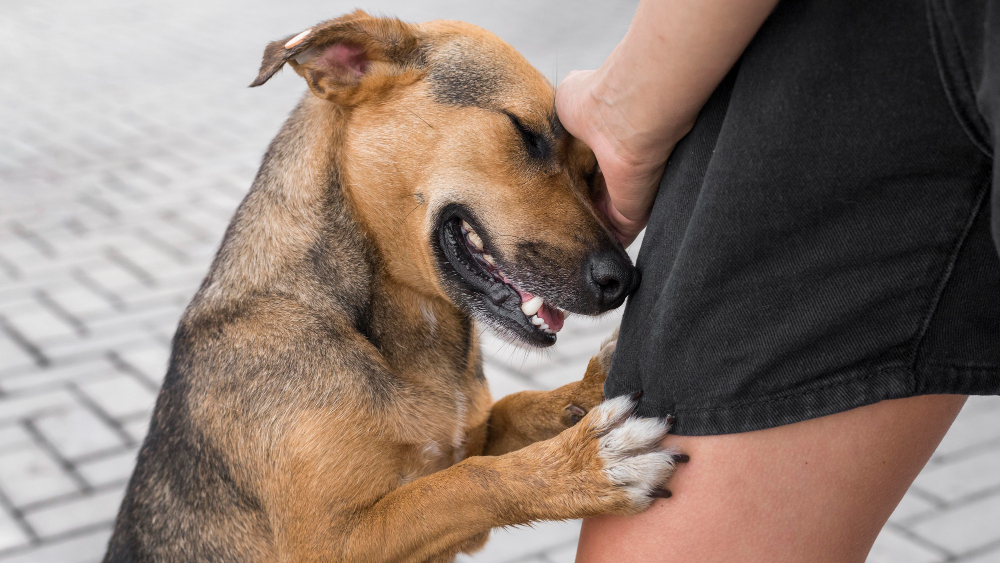
Creating a supportive environment is crucial for a dog’s well-being during desensitization. By modifying their surroundings, you can reduce the intensity of the noise trigger and promote a sense of calm and safety. This approach complements the desensitization process, making it more effective and less stressful for your canine companion.
Strategies for Modifying the Environment to Reduce Noise Exposure
Modifying the environment to reduce noise exposure is a significant aspect of desensitization. Adjustments to the home environment can significantly lessen the impact of loud noises on the dog. These changes can make the process safer and more comfortable.
- Soundproofing Techniques: Implementing soundproofing measures in the home can significantly reduce the intensity of noises reaching your dog. This can include adding acoustic panels, sound-absorbing curtains, or rugs. Consider double-paned windows or weatherstripping to block external sounds. Using noise-canceling headphones can also be helpful in a controlled environment, such as during a construction project next door.
- Creating a Designated Safe Space: A designated safe space provides a retreat where the dog feels secure and protected. This could be a comfortable dog bed, crate, or a specific room with soft blankets. Ensure the safe space is easily accessible to the dog and is not associated with any negative experiences.
- Modifying Room Layout: Positioning furniture strategically to absorb or deflect sound can make a difference. Placing a sofa or a large rug near a window, for instance, can help muffle sounds coming from outside. Also, minimizing clutter and maximizing open space can create a calmer environment for your dog.
Creating a Safe and Calming Environment
Providing a safe and calming environment is essential for both desensitization sessions and everyday life. This creates a secure space where your dog can feel relaxed and confident, even during loud noises.
- Comfortable Bedding and Soft Surfaces: Ensure the dog has access to comfortable bedding, soft blankets, and plush toys to encourage relaxation. These elements create a comforting sensory experience.
- Stimulus Control: Limit the dog’s exposure to stressful stimuli. This might include turning off the television or radio during desensitization sessions. Consider limiting interaction with overly exuberant or loud house guests to reduce overwhelming situations.
- Establishing Routine: Maintaining a consistent daily routine helps dogs feel more secure and reduces anxiety. This predictable schedule provides a sense of stability and comfort.
Distracting the Dog from Loud Noises
Distracting the dog during loud noises can redirect their attention from the trigger. This can be particularly effective when combined with other desensitization techniques.
- Positive Reinforcement: Use treats, praise, and toys to reward calm behavior during loud noises. This reinforces the desired response and makes the dog more likely to repeat it.
- Sensory Enrichment: Providing engaging activities can distract the dog from the noise. This could include puzzle toys, chew toys, or even playing a game of fetch. Engage the dog in a physical activity to take their mind off the loud noise.
- Music or White Noise: Playing calming music or white noise can mask the loud noise and create a more soothing environment. This is particularly useful when working with loud noises such as thunderstorms.
Professional Guidance

Seeking professional guidance can be invaluable when desensitizing a dog to loud noises. A qualified professional can provide tailored strategies, identify underlying issues, and ensure the process is safe and effective. This is particularly important when the dog exhibits strong fear responses or the desensitization plan isn’t yielding positive results.
When to Seek Professional Advice
It’s crucial to consult a veterinarian or certified professional dog trainer when the dog’s fear response to loud noises is severe, persistent, or interferes significantly with daily life. This includes situations where the dog displays extreme anxiety, aggression, or self-harm behaviors. For example, if a dog’s fear of fireworks leads to house-soiling or destructive behaviors, professional help is strongly recommended.
Another example might be if a dog’s fear response to thunder is so intense that it requires constant physical restraint.
Finding Qualified Professionals
Finding qualified veterinary or behavioral professionals requires careful consideration. Recommendations from trusted sources like veterinarians, groomers, or other dog owners can be helpful. Online directories and professional organizations often list certified dog trainers, behaviorists, and veterinarians specializing in animal behavior. Checking credentials and certifications, such as certification from the Certification Council for Professional Dog Trainers (CCPDT-KA), is vital.
Contacting potential professionals for consultations and discussing specific needs can help evaluate their suitability for your dog’s case.
The Role of a Certified Professional Dog Trainer
A certified professional dog trainer (CPDT-KA) plays a significant role in desensitization plans. They can conduct thorough assessments of the dog’s behavior and environment, develop a personalized desensitization plan, and provide ongoing support and guidance throughout the process. Their expertise in canine behavior and training methodologies ensures a safe and effective approach. CPDTs can help owners understand their dog’s body language, effectively communicate with their dog, and implement strategies to reduce anxiety and fear.
Questions to Ask a Professional
When consulting a professional, preparation with specific questions is key. A thorough discussion will help ensure a customized plan. Some critical questions include:
- What is your experience working with dogs exhibiting fear responses to loud noises?
- What specific desensitization techniques will you employ, and why are they suitable for my dog?
- How will you measure the effectiveness of the desensitization plan over time?
- What is your approach to addressing potential setbacks or anxieties that may arise during the process?
- Can you explain the role of positive reinforcement in the plan and how it will be implemented?
- What are the potential long-term implications of the desensitization plan, and what preventative measures can be taken?
- What is your communication strategy, and how will you ensure transparency and support throughout the process?
- What are your fees, and what is the expected duration of the program?
These questions will allow you to gain valuable insight into the professional’s approach, experience, and commitment to your dog’s well-being. Thorough preparation and a clear understanding of the professional’s plan will maximize the chances of a successful desensitization outcome.
Illustrative Examples
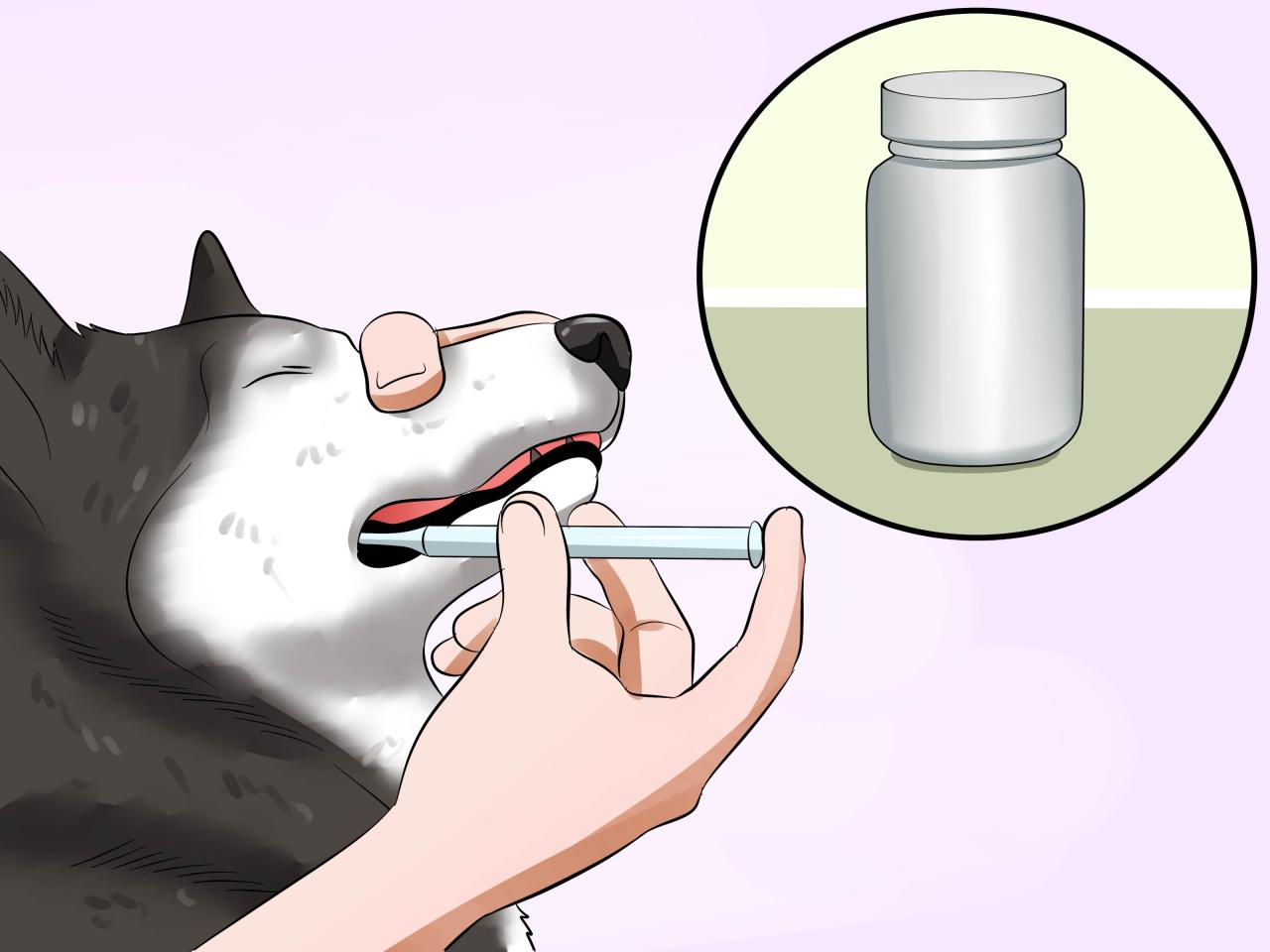
Desensitization plans are tailored to the specific trigger and the individual dog’s response. Careful observation and gradual exposure are key elements in successfully desensitizing a dog to unwanted stimuli. This section provides detailed examples of desensitization plans for common triggers, including fireworks, thunderstorms, and construction noise. These examples highlight the importance of a phased approach and the need for professional guidance when needed.Implementing a desensitization plan is a process that requires patience and consistency.
Success depends on carefully managing the dog’s emotional response and avoiding overwhelming situations. A phased approach allows for a slow and gradual increase in exposure to the trigger, minimizing stress and maximizing learning.
Fireworks Desensitization Plan
A well-structured desensitization plan for fireworks begins with a thorough assessment of the dog’s reaction to the specific trigger. This plan is crucial for creating a safe and effective environment for the dog to overcome its fear. The key is to create a safe environment where the dog can learn to associate the sound with a positive experience, not fear.
- Initial Assessment: Identify the dog’s current response to fireworks (e.g., barking, hiding, panting). Determine the lowest volume level of fireworks that triggers a response. A crucial step is determining the dog’s tolerance level. This initial assessment is fundamental to creating a successful desensitization plan.
- Gradual Exposure: Begin with very low-volume firework sounds, playing recordings at a level the dog barely registers. The sounds should be presented in short bursts, gradually increasing the volume and duration over time. This progressive approach will help the dog to acclimate to the sounds in a safe and controlled manner. The dog’s emotional response must be monitored carefully throughout the process.
| Session | Sound Level (dB) | Duration (seconds) | Dog’s Response | Adjustments |
|---|---|---|---|---|
| 1 | 20-30 | 5 | No reaction, or very slight interest | Increase duration to 10 seconds |
| 2 | 30-40 | 10 | Slight tail wags, or relaxed body posture | Increase volume to 40-50 dB, maintain duration |
| 3 | 40-50 | 15 | Some panting, but no hiding or excessive vocalization | Increase volume to 50-60 dB, maintain duration |
| … | … | … | … | … |
Thunderstorm Desensitization Plan
Desensitizing a dog to thunderstorms involves a similar phased approach, using recorded thunder sounds. The crucial aspect is to monitor the dog’s emotional state throughout the process. This monitoring helps to identify potential issues and allows for necessary adjustments to the plan.
- Identifying the Trigger: Determine the specific elements of a thunderstorm that trigger the dog’s fear response. This might be the sound of thunder, the flashes of lightning, or the associated changes in barometric pressure.
- Gradual Exposure: Start with very faint recordings of thunder, progressively increasing the volume and intensity over time. It is crucial to start with a sound that is barely audible, and gradually increase the intensity. The process of gradually increasing the intensity is essential for the dog’s emotional well-being.
| Session | Sound Level (dB) | Duration (seconds) | Dog’s Response | Adjustments |
|---|---|---|---|---|
| 1 | 15-25 | 5 | No reaction | Increase duration to 10 seconds |
| 2 | 25-35 | 10 | Slight panting | Increase volume to 35-45 dB, maintain duration |
| … | … | … | … | … |
Using Sound Machines/White Noise
Sound machines or white noise can help mask loud noises, reducing their intensity and creating a calming environment. The effectiveness of white noise depends on the dog’s specific response to it.
- Selection: Choose a sound machine or white noise generator that provides a consistent and soothing background sound. Consider the dog’s preferences and adjust the volume to a comfortable level for them.
- Implementation: Introduce the sound machine before the onset of the trigger (e.g., before fireworks or thunder). The machine should create a consistent and calming background sound.
Desensitization to Construction Noise
For dogs sensitive to construction noise, a similar approach is used. The crucial aspect is to monitor the dog’s emotional state and make adjustments to the plan as needed.
- Initial Assessment: Identify the specific noises that trigger the dog’s fear response (e.g., hammering, jackhammers, heavy machinery). Determine the lowest volume level of construction sounds that triggers a response. A key element is identifying the sounds the dog finds most stressful.
- Gradual Exposure: Start with low-volume recordings of the specific noises, gradually increasing the volume and duration over time. Use recorded sounds from a similar construction environment.
Final Thoughts
In conclusion, desensitizing a dog to loud noises is a process requiring patience, consistency, and a deep understanding of your dog’s individual needs. By following the steps Artikeld in this guide, you can create a safe and supportive environment, enabling your dog to gradually overcome their fear. Remember, professional help is available if needed, and a positive reinforcement approach is crucial throughout the process.