Bringing a rescue dog into your home is a rewarding experience, but ensuring its successful integration into your family requires careful planning and attention to socialization. This guide provides a structured approach to fostering a well-adjusted and happy companion, covering everything from initial assessment to long-term maintenance. Proper socialization equips your new friend with the skills to navigate various environments and individuals with confidence and ease.
Understanding the unique needs of a rescue dog is crucial. Their past experiences may have shaped their behavior, and recognizing potential challenges like fear or aggression is paramount. This guide delves into common issues, offering practical strategies to address them while creating a positive and supportive environment.
Introduction to Socialization
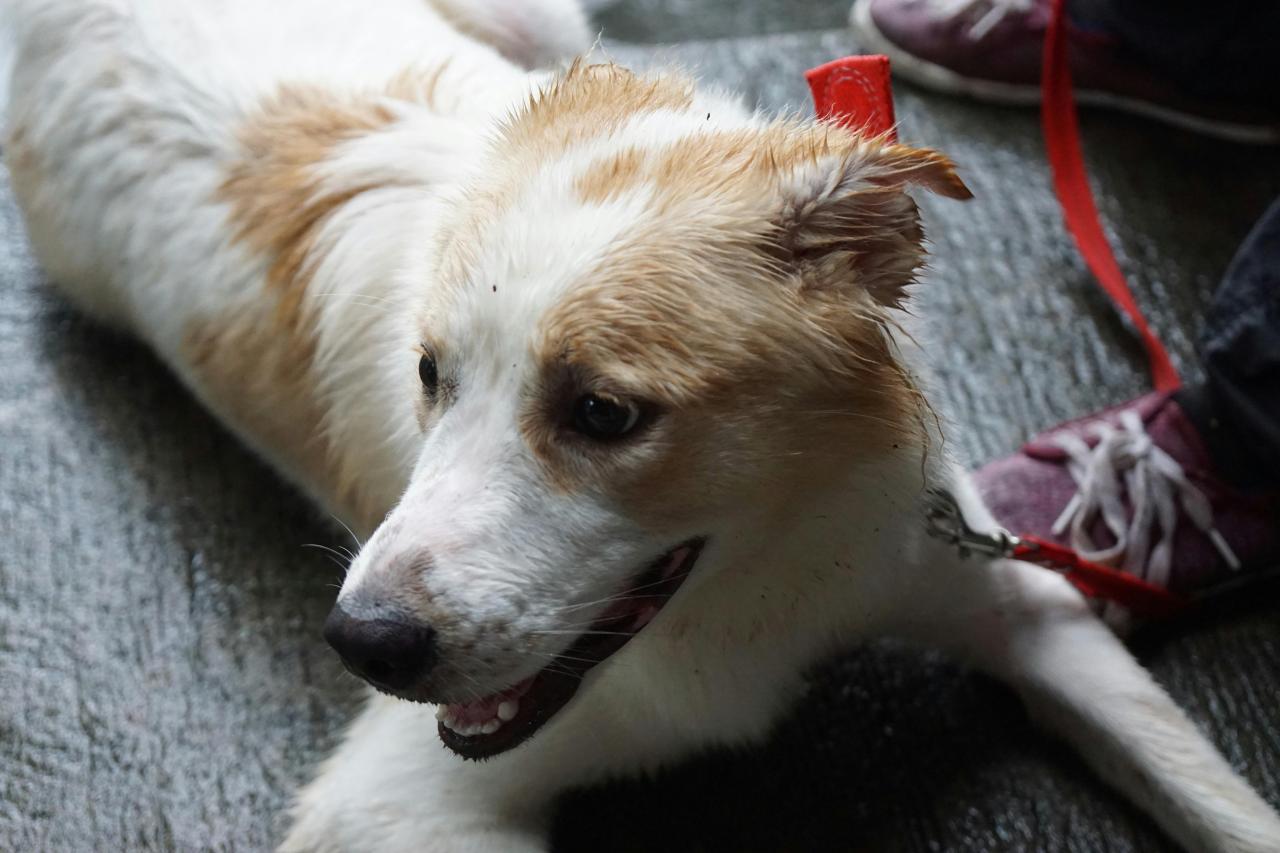
Dog socialization is the process of exposing a dog to various people, animals, and environments during its critical developmental period. This exposure helps shape its behavior and temperament, leading to a well-adjusted and confident canine companion. A properly socialized dog is more likely to exhibit appropriate responses in diverse situations, reducing the likelihood of fear-based aggression or other behavioral problems.The importance of socialization for a rescue dog cannot be overstated.
A dog that has experienced neglect or trauma may have missed vital opportunities for learning appropriate social interactions. A well-structured socialization plan is crucial for helping a rescue dog overcome past experiences and develop positive associations with the world around them. This process directly impacts their overall well-being and future behavior. A dog lacking proper socialization may exhibit anxiety, fear, or aggression towards unfamiliar people, animals, or situations.
This can lead to difficulties in everyday life and potentially limit their adoption opportunities.
Long-Term Effects of Inadequate Socialization
Inadequate socialization can result in a variety of negative behaviors, hindering the dog’s ability to thrive in various environments. A dog with insufficient socialization might exhibit fear-based aggression, shyness, or avoidance behaviors in response to unfamiliar stimuli. This can lead to difficulties in managing the dog within a household or public spaces. For example, a dog who hasn’t been exposed to other dogs may become aggressive or overly fearful around them, leading to potential conflicts or avoidance behaviors.
Stages of Development Relevant to Socialization
Puppyhood, adolescence, and early adulthood are crucial stages in a dog’s development. Puppies learn about the world through exploration and interaction, and the experiences they have during these early stages significantly shape their future behaviors. Proper socialization during this period is essential to create positive associations and avoid developing fear or anxiety around various stimuli. Socialization efforts during adolescence and early adulthood help refine existing learned behaviors and continue to establish appropriate responses in diverse situations.
Dogs in these later stages may still benefit from socialization, though the impact might be less dramatic than in the earlier stages.
Socialization Needs Comparison: Puppies vs. Adult Rescue Dogs
| Characteristic | Puppy | Adult Rescue Dog |
|---|---|---|
| Exposure | Frequent, controlled exposure to a variety of sights, sounds, people, and animals is crucial. | Controlled exposure to new experiences, but with greater sensitivity to potential triggers and responses. |
| Duration | Socialization should be ongoing and gradual, with positive reinforcement. | Socialization should be tailored to the dog’s specific needs and previous experiences, with patience and understanding. |
| Intensity | Exposure to stimulating environments and interactions should be progressive. | Exposure should be introduced slowly and gently, with a focus on positive reinforcement and avoidance of overwhelming experiences. |
| Approach | Focus on introducing new stimuli in a positive and rewarding manner. | Focus on gradual desensitization to stimuli that trigger fear or anxiety, with gradual exposure. |
| Response | Early interventions and positive reinforcement are critical for building confidence. | Addressing underlying fears or anxieties is crucial. Patience and a calm, supportive approach are vital. |
Identifying Challenges in Socialization
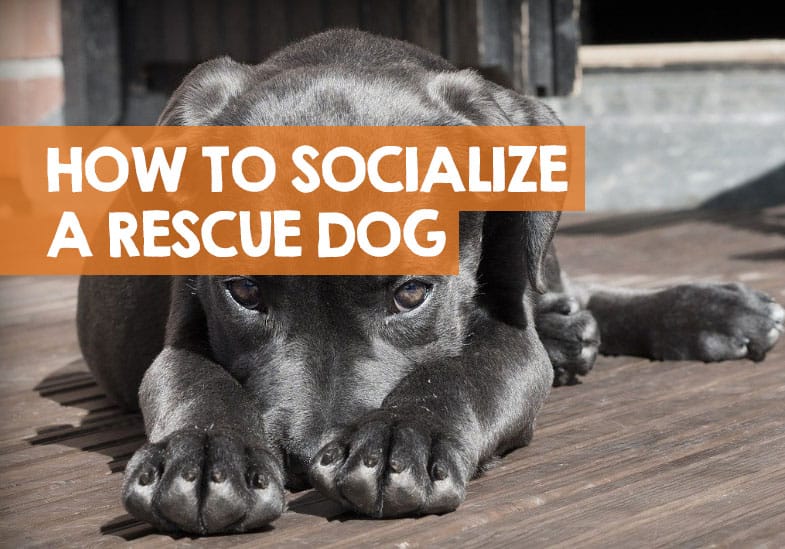
Socialization is a crucial period in a dog’s development, shaping their behavior and interactions with the world. A rescue dog’s socialization history, however, is often uncertain, leading to various challenges that require careful consideration and tailored approaches. Understanding these challenges is essential for successful socialization and ensuring the dog’s well-being and the safety of those around them.Identifying and addressing potential issues early on is key to fostering a positive and lasting relationship with a rescue dog.
A thorough understanding of the factors influencing their socialization history is vital for developing an appropriate plan to address any resulting behavioral concerns.
Common Behavioral Issues from Lack of Socialization
A lack of proper socialization can lead to a range of behavioral problems. These issues can manifest in various ways, from fear and aggression to reactivity and anxiety. For example, a dog lacking exposure to diverse sights, sounds, and experiences might exhibit fear aggression toward strangers or become overly reactive to loud noises. Their lack of socialization could also cause them to exhibit submissive behaviors, like cowering or tail tucking, or even become overly dominant, trying to assert their position in unfamiliar environments.
Factors Negatively Impacting Socialization History
Several factors can negatively impact a rescue dog’s socialization history. These include inadequate early exposure to diverse stimuli, traumatic experiences during their early life, or neglect and abuse. Poor living conditions, limited interaction with people or other animals, and a lack of positive reinforcement during critical developmental periods can all contribute to socialization issues. For instance, a dog raised in a high-stress environment, such as a shelter with limited space and many other dogs, might develop anxiety and fear-based behaviors.
Comparing Fearful vs. Dominant Dogs
Fearful and dominant dogs present distinct socialization challenges. Fearful dogs often exhibit signs of anxiety, such as trembling, whimpering, or avoidance behaviors. Dominant dogs, conversely, may display assertive behaviors like growling, snapping, or lunging. Fearful dogs require a gentler, more gradual approach, focusing on building trust and positive associations. Dominant dogs, conversely, require assertive yet calm management to prevent escalation of the behavior and establish clear boundaries, while carefully addressing the underlying reasons for their dominance.
Anxieties and Fears in Rescue Dogs
Rescue dogs may experience a range of anxieties and fears during socialization. These can stem from past negative experiences, such as abuse, neglect, or abandonment. Separation anxiety, fear of loud noises, fear of strangers, fear of other dogs, and fear of unfamiliar environments are common concerns. For instance, a dog who has been previously abused might exhibit a heightened fear response to sudden movements or loud noises.
Situations Requiring Extra Support
Certain situations demand extra support during socialization. Dogs with a history of trauma or abuse may require a more gradual and individualized approach, possibly with the assistance of a certified professional dog trainer. A dog exhibiting severe anxiety or aggression needs to be carefully monitored and handled with expertise to prevent escalation of the behavior. Likewise, dogs with specific medical conditions, like arthritis, might need a modified socialization plan.
Common Mistakes in Socialization
Common mistakes in socializing a rescue dog include rushing the process, pushing the dog beyond its comfort level, or using punishment-based methods. Using harsh or inconsistent methods can exacerbate anxieties and fears, leading to more challenging behaviors. Another common error is failing to understand the dog’s specific needs and triggers.
Signs of Stress or Fear in Dogs
| Sign | Description |
|---|---|
| Lip licking | A common sign of stress or anxiety, often accompanied by other cues. |
| Whale eye | Wide eyes, often accompanied by a tense body posture. |
| Tail tucking | A sign of fear or submission, often accompanied by other cues. |
| Panting | Excessive panting can be a sign of stress or anxiety. |
| Yawning | Yawning can be a sign of stress, anxiety, or even discomfort. |
| Avoiding eye contact | A common sign of fear or anxiety in dogs. |
| Cowering | Ducking or crouching down can be a sign of fear or submission. |
| Freezing | A sudden freeze or stillness is often a sign of fear. |
| Growling | This is a warning sign, and the dog should be given space. |
| Aggression | Physical aggression should never be ignored. |
Creating a Safe and Positive Environment
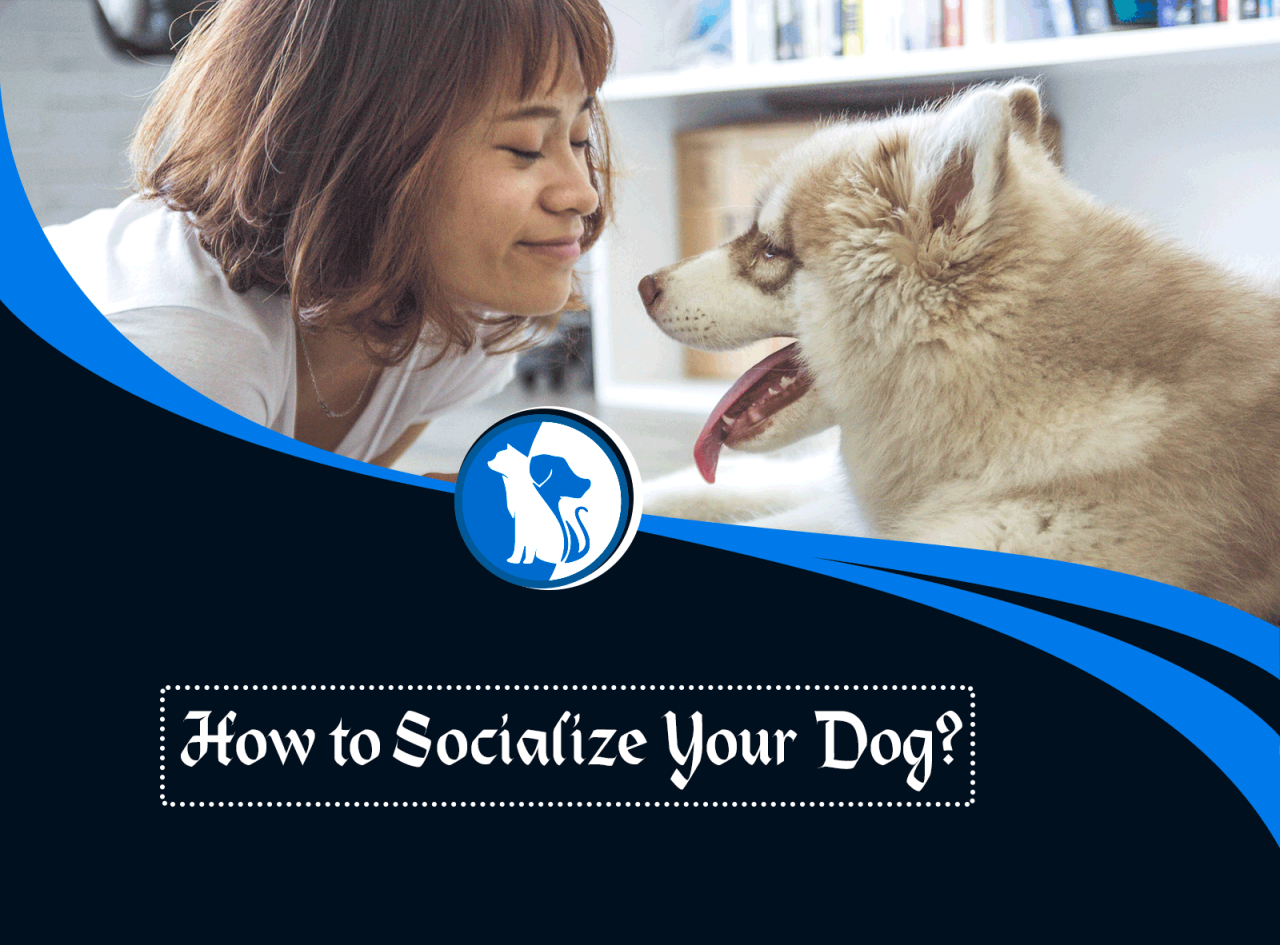
A crucial aspect of successful dog socialization is fostering a safe and positive environment. This allows the rescue dog to approach new experiences with confidence and learn appropriate responses, minimizing fear and anxiety. A well-structured environment is essential for teaching the dog to feel secure and comfortable during interactions.A safe environment for a rescue dog is one that minimizes stress and maximizes opportunities for positive learning.
This includes controlling the dog’s exposure to new stimuli, providing positive reinforcement, and ensuring the dog feels secure and in control. Consistent, predictable routines, and a calm atmosphere are key to a successful socialization process.
Creating a Safe Space
A safe space, or den, is crucial for a rescue dog during socialization. This designated area should be a comfortable and familiar refuge where the dog can retreat when feeling overwhelmed. The space should be equipped with the dog’s favorite blankets, toys, and familiar scents to provide comfort and security. Maintaining a consistent environment is essential for minimizing anxiety triggers.
Gradual Introduction to Stimuli
Introducing new stimuli should be done gradually and in a controlled manner. Start with subtle exposures, such as the sound of a new noise at a distance, then gradually increase the intensity and duration of exposure. This controlled desensitization process allows the dog to adjust to the new stimulus without feeling overwhelmed. Positive reinforcement should be used throughout the process.
Managing the Environment
Managing the environment involves identifying and minimizing potential anxiety triggers. This includes controlling the level of stimulation, ensuring the dog has ample space to move around, and providing opportunities for the dog to explore at its own pace. For example, loud noises or sudden movements should be avoided. Avoid distractions like too many people or other dogs in a small space initially.
Desensitization Techniques
Desensitization is a crucial part of creating a positive environment. It involves gradually exposing the dog to a stimulus, starting with a low level of intensity and gradually increasing it. This controlled exposure allows the dog to learn that the stimulus is not harmful and reduces fear. For example, if a dog is afraid of loud noises, start by playing very quiet recordings and gradually increase the volume.
Controlled Exposure Stages
| Stage | Stimulus | Intensity | Duration | Response |
|---|---|---|---|---|
| 1 | Low-intensity noise (e.g., quiet bell) | Very low | Short (e.g., 5 seconds) | Reward calm behavior |
| 2 | Noise (e.g., bell) | Slightly higher | Slightly longer (e.g., 10 seconds) | Reward calm behavior |
| 3 | Noise (e.g., bell) | Moderate | Longer (e.g., 15-20 seconds) | Reward calm behavior |
| 4 | More complex stimuli (e.g., new person approaching slowly) | Moderate | Longer | Reward calm behavior |
Positive Reinforcement
Positive reinforcement is essential for shaping desired behaviors. This includes rewarding calm responses and appropriate interactions with new stimuli. Treats, praise, and toys are valuable tools for reinforcing positive behaviors. For instance, if the dog remains calm when a new person enters the room, reward this calmness with a treat and praise. Avoid punishment or scolding as this can create fear and anxiety.
This will reinforce the positive association with the new stimulus.
Socialization Strategies

Successfully socializing a rescue dog requires a multifaceted approach. This involves carefully planned and executed interactions with various stimuli, including people, other dogs, and different environments. A well-socialized dog is more likely to be well-adjusted and happy in its new home.
Controlled Exposure
Controlled exposure is a crucial socialization strategy. It involves gradually introducing the dog to new stimuli at a pace it can comfortably handle. This methodical approach helps the dog build confidence and learn appropriate responses to different situations. The key is to ensure each exposure is positive and rewarding, reinforcing desired behaviors and preventing fear or anxiety.
Group Play
Group play, under careful supervision, can be a valuable socialization tool. It allows dogs to interact with other dogs in a controlled environment. However, the handler must be vigilant, ensuring that interactions remain positive and playful. Overly boisterous or aggressive interactions should be immediately interrupted. The environment should be safe, with enough space for each dog to retreat if needed.
Supervised Interactions
Supervised interactions are essential for introducing the dog to different people and environments. This involves having a trusted handler closely monitor the dog’s responses during interactions. This allows the handler to intervene if the dog displays signs of distress or anxiety, ensuring a positive experience.
Positive Reinforcement
Positive reinforcement is paramount during socialization exercises. Rewards, such as treats, praise, or toys, should be given when the dog displays appropriate behaviors. This positive reinforcement strengthens desired behaviors and helps the dog associate new experiences with pleasant outcomes. It’s vital to avoid punishment, as this can be counterproductive, creating fear and anxiety.
Handler’s Body Language and Tone of Voice
The handler’s body language and tone of voice play a critical role in shaping the dog’s response to new situations. A calm, confident posture and a gentle, encouraging tone communicate safety and trust. Conversely, a tense posture or a harsh tone can increase the dog’s anxiety. Consistent, positive body language and vocalization are essential.
Socialization Environments
Different socialization environments offer varying degrees of stimulation and control. Dog parks, while potentially offering a broader range of interactions, lack the control needed for a structured socialization process. Training classes provide a controlled environment with other dogs and handlers. Home visits allow for a more intimate and familiar environment. It’s crucial to carefully consider the environment’s suitability to the dog’s needs.
Appropriate Places for Socialization (excluding dog parks)
- Training classes offer a structured and controlled environment for social interaction with other dogs and handlers.
- Pet stores (with dog-friendly areas) can provide opportunities for controlled exposure to other dogs.
- Dog-walking groups offer a chance for your dog to socialize with other dogs while under your direct supervision.
- Home visits to friends or family with well-behaved dogs can provide controlled social interaction.
- Designated dog-friendly parks, not overly crowded, provide an option with some control over the environment.
Introducing the Dog to Different Stimuli
Introducing a dog to new people, dogs, and environments should be gradual and controlled. For example, introduce a person by having them stand still while holding a treat or toy. Allow the dog to approach at its own pace. Similarly, introduce a dog by having them on a leash and in a separate area to start. Gradually increase the proximity and interaction over time.
Introducing new environments can be done by taking the dog for short visits in new locations and rewarding calm behavior.
Socialization Techniques and Effectiveness
| Socialization Technique | Effectiveness | Explanation |
|---|---|---|
| Controlled Exposure | High | Gradually introducing new stimuli allows the dog to adjust at its own pace. |
| Group Play (Supervised) | Moderate | Provides opportunities for social interaction with other dogs, but supervision is key. |
| Supervised Interactions | High | Handlers closely monitor interactions to ensure safety and prevent anxiety. |
| Positive Reinforcement | High | Rewarding desired behaviors strengthens them and creates positive associations with new experiences. |
Handling Specific Situations
Successfully socializing a rescue dog requires understanding and addressing various potential challenges. This section delves into strategies for managing reactivity, fear, resource guarding, separation anxiety, undesirable behaviors, and inter-pet conflicts during socialization sessions. A calm and patient approach is crucial, emphasizing positive reinforcement and gradual exposure.
Managing Reactivity and Aggression
Reactivity and aggression in dogs often stem from fear or a lack of understanding of social cues. A crucial first step involves identifying the triggers. Observe the dog’s body language—stiff posture, tense muscles, growling, or snapping—to pinpoint situations that provoke these responses. Avoid forcing interactions during these episodes. Instead, create a safe space where the dog feels secure and gradually introduce controlled exposure to the triggering stimulus.
Positive reinforcement, such as treats and praise, should be used consistently when the dog displays appropriate behaviors. Consider consulting a veterinary behaviorist for tailored strategies if reactivity persists.
Handling Fearful or Anxious Behaviors
Fear and anxiety in rescue dogs manifest in various ways, including hiding, trembling, or excessive panting. Creating a safe and predictable environment is paramount. Avoid sudden movements or loud noises. Provide the dog with a safe space—a den or a quiet corner—where they can retreat when feeling overwhelmed. Positive reinforcement, such as treats and praise, should be offered consistently during calm moments.
Gradually introduce new stimuli, starting with neutral ones and increasing the intensity over time. It is crucial to avoid forcing the dog into any situation that causes distress.
Managing Resource Guarding
Resource guarding, often involving food or toys, is a protective behavior. Never challenge the dog directly. Instead, use food-based training techniques to teach alternative behaviors, such as sharing and relinquishing. Provide ample resources, preventing the dog from feeling the need to hoard. Always supervise interactions with other dogs or people, especially during feeding times.
Consider professional guidance for severe cases.
Managing Separation Anxiety
Separation anxiety in dogs can manifest as excessive barking, howling, or destructive behaviors when left alone. Gradually accustom the dog to periods of solitude. Use positive reinforcement to reward calm behavior during periods of separation. Consider leaving familiar scents or toys around to comfort the dog. Consult a professional dog trainer for tailored techniques, especially if the anxiety is severe.
Handling Play Biting or Other Undesirable Behaviors
Play biting, while normal in puppies, should be redirected to appropriate behaviors. Interrupt the biting with a firm “no” and redirect the dog’s attention to a more suitable activity, such as fetch or tug-of-war. Consistency is key. Avoid punishment, as it can instill fear and anxiety. Consult a professional if the behavior is severe or persistent.
Addressing Potential Conflicts Between the Rescue Dog and Other Pets
Introducing a new dog to existing pets should be done cautiously. Start with supervised, short interactions in a neutral area. Observe body language closely. Separate the dogs if signs of aggression arise. Consider using scent barriers to minimize territorial disputes.
If conflicts persist, consult a professional dog trainer or veterinary behaviorist.
Table of Common Socialization Issues and Solutions
| Socialization Issue | Possible Solutions |
|---|---|
| Reactivity/Aggression | Identify triggers, create safe space, positive reinforcement, gradual exposure, professional consultation if needed |
| Fear/Anxiety | Create safe environment, avoid sudden movements, provide safe space, positive reinforcement, gradual introduction of stimuli, avoid forcing |
| Resource Guarding | Food-based training, ample resources, supervised interactions, professional guidance if needed |
| Separation Anxiety | Gradual acclimation to solitude, positive reinforcement for calm behavior, familiar scents/toys, professional consultation if needed |
| Play Biting/Undesirable Behaviors | Interrupt behavior with “no,” redirect to appropriate activities, consistency, avoid punishment, professional consultation if needed |
| Inter-pet Conflicts | Supervised introductions, neutral area, observe body language, separation if needed, scent barriers, professional consultation if needed |
Maintaining Socialization
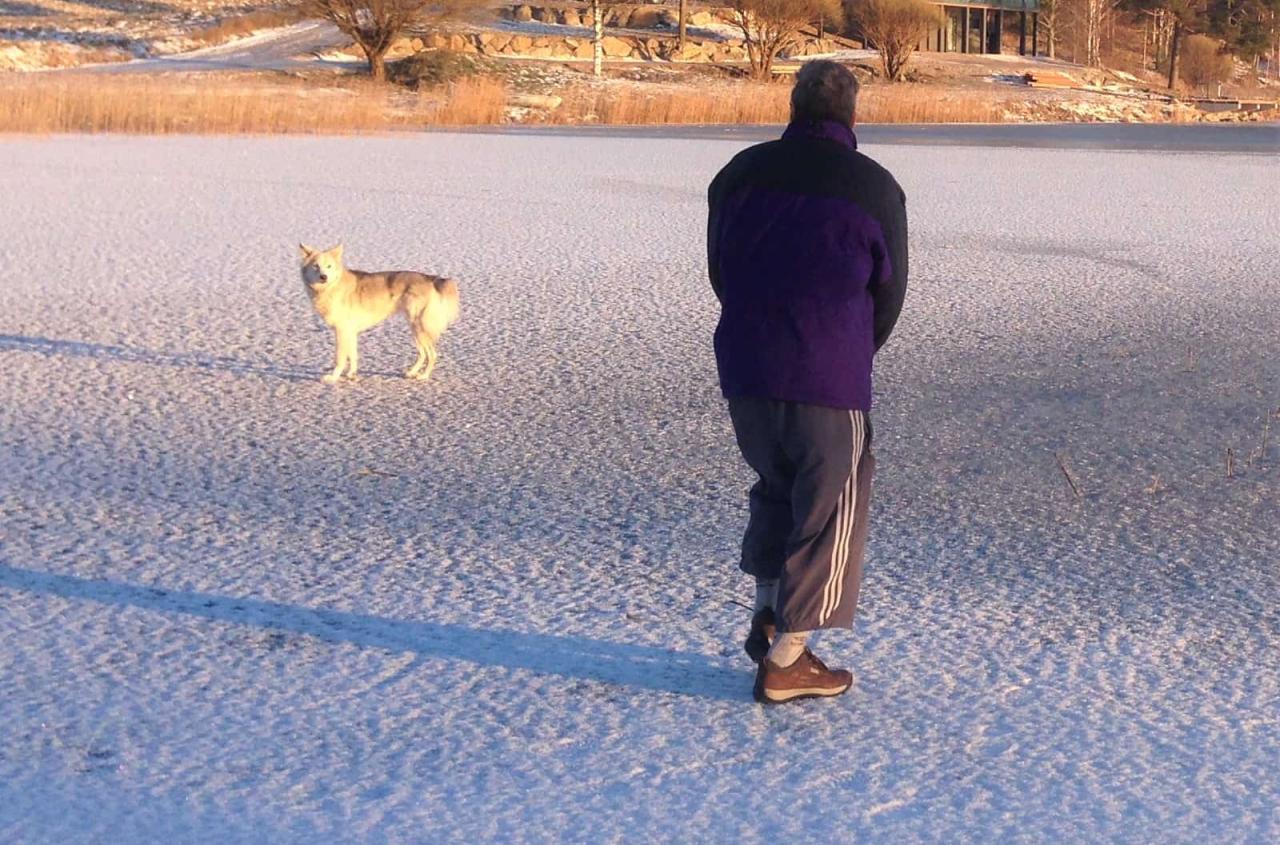
A crucial aspect of responsible dog ownership is maintaining a consistent socialization routine. Simply exposing a dog to various stimuli during a specific period isn’t enough; ongoing interaction and positive reinforcement are essential for a well-adjusted and confident canine companion. This ongoing socialization shapes the dog’s future interactions and prevents the development of fear-based behaviors.Successful socialization is a continuous process, not a one-time event.
The benefits extend far beyond the initial stages, shaping the dog’s interactions and behavior throughout its life. By understanding and incorporating these principles, owners can cultivate a happy, well-adjusted pet.
Consistent Socialization Routine
A consistent socialization routine involves exposing the dog to a variety of sights, sounds, smells, people, and other animals on a regular basis. This regularity helps the dog develop confidence and adapt to new situations. Consistency in the routine helps the dog to predict and manage its environment.
Importance of Ongoing Socialization
Ongoing socialization is vital for preventing fear-based behaviors and fostering a well-adjusted dog. Initial socialization lays the groundwork, but ongoing exposure to new experiences strengthens those positive associations and builds resilience. Dogs who are consistently socialized are better equipped to handle unexpected situations and remain calm in various environments. For example, a dog consistently exposed to different types of noises (construction, children playing, barking dogs) will be less likely to react fearfully or aggressively to them in the future.
Incorporating Socialization into Everyday Activities
Socialization can be incorporated seamlessly into everyday activities. For example, daily walks in different neighborhoods expose the dog to diverse sights and sounds. Visiting dog parks allows interaction with other dogs in a controlled environment. Enrolling in obedience classes provides socialization opportunities with other dogs and people. Even simple activities like visiting the local pet store or taking the dog to a park during off-peak hours can contribute to a well-rounded socialization experience.
Tips for Reinforcing Positive Socialization Habits
- Positive Reinforcement: Rewarding calm and appropriate responses to new stimuli reinforces positive behaviors. Treats, praise, and toys are effective tools.
- Gradual Exposure: Introduce new stimuli gradually, starting with minimal exposure and increasing as the dog becomes comfortable.
- Short, Frequent Sessions: Keep socialization sessions short to maintain focus and prevent the dog from becoming overwhelmed.
- Observe Body Language: Pay close attention to the dog’s body language. If the dog shows signs of stress (tail tucked, ears back, panting), remove it from the situation and try again later.
- Supervised Interactions: When introducing the dog to other animals or people, always supervise the interaction closely to ensure safety and prevent conflicts.
Regular observation of the dog’s behavior is critical for gauging its comfort level and making necessary adjustments to the socialization process.
Role of Regular Veterinary Check-ups
Regular veterinary check-ups play a crucial role in monitoring the dog’s socialization progress. Veterinarians can assess the dog’s overall health, identify any underlying anxieties or behavioral issues, and provide recommendations for addressing them. Early detection of potential problems is key to successful socialization. Furthermore, vets can advise on diet, exercise, and other factors that can influence the dog’s behavior.
Involving Family Members in the Socialization Process
Involving family members in the socialization process is crucial for consistency and shared responsibility. Each family member can contribute by creating opportunities for the dog to interact with different people and environments. For instance, children can be trained to interact calmly and respectfully with the dog, while parents can take the dog to family gatherings. This collective approach creates a supportive environment for the dog’s socialization.
Tailoring Socialization Strategies Based on Personality
| Dog Personality | Socialization Strategy |
|---|---|
| Shy/Reserved | Focus on slow, gradual exposure. Use familiar surroundings for initial interactions. Positive reinforcement is crucial, with immediate rewards for calm behavior. |
| Energetic/Playful | Incorporate high-energy activities like dog parks and playdates with appropriately socialized dogs. Use games and activities to keep the dog engaged and occupied. |
| Anxious/Fearful | Create a safe and predictable environment. Start with low-stress encounters and slowly introduce new stimuli. Prioritize the dog’s comfort over forcing interaction. |
This table illustrates how adapting socialization strategies based on the dog’s specific personality can maximize success. It’s important to understand and respect individual differences in dogs to create a positive and supportive experience.
Epilogue
Successfully socializing a rescue dog is a journey, not a destination. By understanding their individual needs, creating a safe environment, and employing effective strategies, you can help your new companion blossom into a well-adjusted member of your family. This guide provides a roadmap to navigate this journey, fostering a strong bond built on trust and mutual understanding.