Harness training offers a safe and rewarding experience for both you and your canine companion. This comprehensive guide provides a structured approach to introducing your dog to a harness, covering everything from preparation and introduction methods to troubleshooting common issues and harness use for various activities.
Understanding the benefits of harness training, the different types available, and the proper preparation steps are crucial for a smooth transition. This guide will equip you with the knowledge and techniques needed to make the process enjoyable and successful for your dog.
Introduction to Harness Training
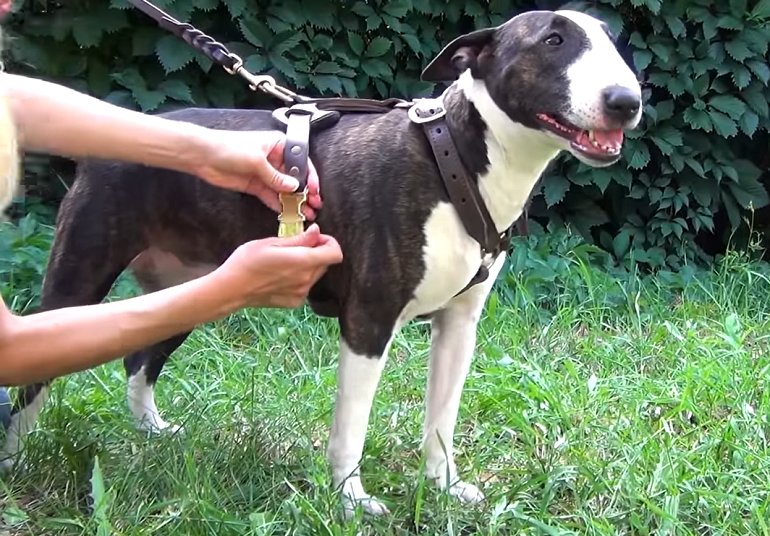
Harness training for dogs has a rich history, evolving from practical uses in working dogs to modern recreational applications. Early forms of harnessing were crucial for tasks like pulling carts and sleds, showcasing the inherent strength and trainability of certain canine breeds. Over time, harness training has become increasingly sophisticated, focusing on safety, comfort, and the overall well-being of the dog.Harness training offers numerous benefits for both dogs and their owners.
It can provide a safe and effective alternative to traditional leash walking, especially for dogs with specific needs or behavioral challenges. Harness training can also improve a dog’s posture and reduce strain on their neck and shoulders, promoting their overall physical health. Furthermore, harness training can enhance the bond between dog and owner by promoting mutual understanding and trust during training sessions.
Harness Types
Understanding the various types of dog harnesses is essential for selecting the most suitable option for your dog’s needs. Different harnesses are designed for different activities and body types, allowing for tailored support and safety. Factors such as the dog’s size, breed, and intended use should all be considered when choosing a harness.
Comparison of Harness Types
| Harness Type | Material | Size Options | Features |
|---|---|---|---|
| Front-Clip Harness | Nylon, Polyester, or Leather | Small, Medium, Large, Extra Large | Often used for dogs with pulling tendencies, as the clip is positioned on the dog’s chest. This reduces pulling stress on the neck. |
| Back-Clip Harness | Nylon, Polyester, or Leather | Small, Medium, Large, Extra Large | Suitable for most dogs, the clip is placed on the dog’s back, and the harness is more traditional. This style is excellent for dogs that are not overly inclined to pull. |
| Step-in Harness | Nylon, Polyester, or Mesh | Small, Medium, Large, Extra Large | Easy for dogs to put on and take off. Ideal for dogs who are easily stressed by harness adjustments or have difficulty putting on harnesses. |
| No-Pull Harness | Nylon, Polyester, or Mesh | Small, Medium, Large, Extra Large | Designed to discourage pulling by redirecting the dog’s body weight. These harnesses often have unique designs and features to manage pulling. |
Breeds Benefiting from Harness Training
Certain breeds are predisposed to pulling or have specific physical characteristics that can benefit from harness training. For example, breeds known for their strong pulling instincts, such as Huskies, Siberian Huskies, and some herding breeds, can significantly benefit from harnesses that distribute pressure effectively. Furthermore, dogs with neck or shoulder issues may find harnesses more comfortable and supportive than traditional collars.
Preparing the Dog for Harness Introduction
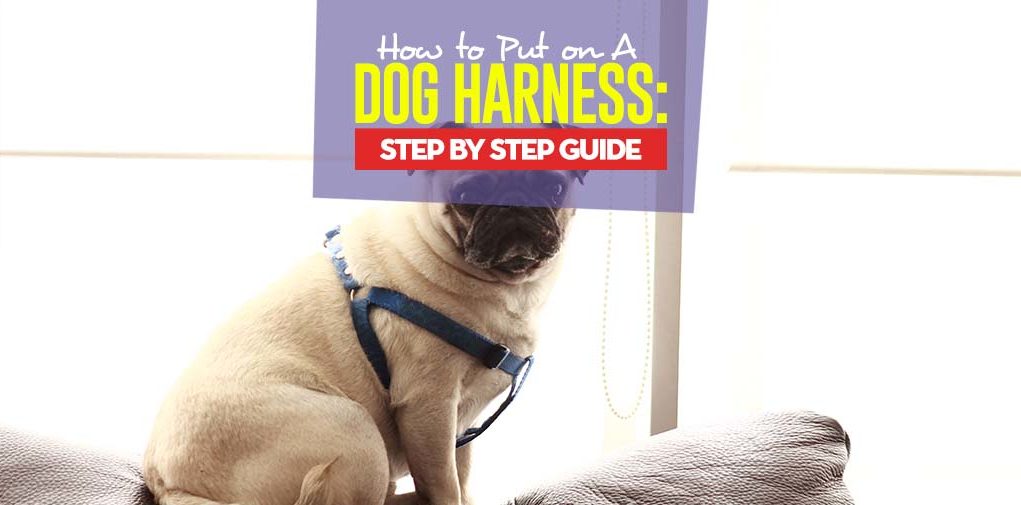
Thorough preparation is crucial for a smooth and positive harness introduction. A well-prepared dog will be more likely to accept the harness without fear or resistance. This involves desensitizing the dog to the harness’s appearance, feel, and associated actions, creating a positive association from the start. Careful and gradual introduction, combined with positive reinforcement, will increase the dog’s comfort and confidence.Understanding the dog’s individual personality and temperament is essential for tailoring the preparation process.
Dogs with a history of fear or anxiety may require a more gradual and patient approach. Consistency and patience are key elements for success.
Desensitization Techniques
Desensitization techniques are vital for reducing fear or anxiety surrounding the harness. These techniques gradually expose the dog to the harness in a controlled manner, reducing the intensity of the stimuli over time. Start with the dog feeling comfortable in the environment. This allows the dog to associate the harness with positive experiences. Gradually introducing the harness’s presence, sounds, and tactile sensations builds positive associations and reduces fear.
Essential Dog Training Supplies
A successful harness introduction relies on having the right tools. Essential supplies include a comfortable and well-fitting harness, high-value treats, a leash, and a positive reinforcement training method. A selection of treats with strong appeal to the dog, a long-line leash for safe exploration, and a comfortable harness that fits snugly and allows for freedom of movement, are vital for a successful introduction.
Choose treats that are irresistible to your dog.
- Harness: A comfortable, well-fitting harness is essential for comfort and safety. Ensure the harness is appropriate for your dog’s size and breed.
- High-Value Treats: Irresistible treats are crucial for positive reinforcement. Consider using small pieces of high-value treats like jerky or small pieces of meat.
- Leash: A leash provides control and allows for safe exploration and interaction.
- Positive Reinforcement Training Method: Positive reinforcement methods, such as rewarding desired behaviors with treats, praise, or toys, are crucial for building a positive association with the harness.
Step-by-Step Procedure
A structured approach is vital for a positive harness introduction. The process should be gradual, building on previous successes, and always ending on a positive note. Start by introducing the harness to your dog in a relaxed environment.
- Introduction to the Harness: Allow your dog to sniff and explore the harness. Reward calm curiosity with treats and praise. Avoid forcing the harness onto the dog.
- Putting the Harness on: Place the harness on the dog when they are relaxed and engaged in a positive activity. Ensure the harness fits snugly but comfortably.
- Short Sessions: Keep initial sessions short (5-10 minutes) to avoid overwhelming the dog. Gradually increase the duration as the dog becomes more comfortable.
- Positive Reinforcement: Reward calm behavior and exploration of the harness with high-value treats and praise. Avoid any forceful or negative interaction.
- Harness with Leash: Attach a leash to the harness and allow the dog to walk around freely in a safe area. Reward calm walking and exploration. If the dog shows discomfort or anxiety, immediately remove the harness and try again later.
- Gradual Increase in Duration: Gradually increase the duration of wearing the harness. This will help your dog adjust to wearing the harness in various environments and situations.
Important Considerations
Consistency and patience are paramount. Positive reinforcement should be the cornerstone of the introduction process. If your dog shows signs of fear or anxiety, stop the session and try again later. Remember, introducing a harness is a gradual process that requires patience and positive reinforcement. It is essential to be aware of your dog’s body language and to adjust your approach accordingly.
Introduction Methods and Procedures

Introducing a dog to a harness involves careful planning and execution. A positive and controlled introduction minimizes stress for the dog and ensures a successful transition. Understanding different introduction methods and their implications is crucial for a smooth and enjoyable experience. Implementing positive reinforcement techniques and addressing potential challenges are essential aspects of a successful harness introduction.
Comparison of Introduction Methods
Different methods of harness introduction cater to various dog personalities and learning styles. A gradual introduction, for example, often proves more suitable for anxious or easily overwhelmed dogs. Immediate introduction, while potentially faster, might be more stressful for some dogs. Choosing the appropriate method depends on careful observation of the dog’s reactions and responses.
- Gradual Introduction: This method involves slowly acclimating the dog to the harness. Begin by simply placing the harness on the dog for short periods, increasing the duration gradually over several days. Reward calm behavior and remove the harness if the dog shows signs of discomfort or stress. This approach allows the dog to adapt at their own pace, minimizing anxiety and promoting a positive association with the harness.
- Immediate Introduction: This approach involves placing the harness on the dog immediately. This method might be suitable for dogs that are confident and less prone to anxiety. Closely monitor the dog’s reaction and promptly remove the harness if there’s any indication of discomfort or resistance. Positive reinforcement is vital to associate the harness with positive experiences.
- The “Desensitization” Method: This method focuses on reducing fear or anxiety associated with the harness by gradually exposing the dog to various aspects of the harness. Start by placing the harness near the dog, then on a soft surface, and finally, on the dog. Each step should be repeated multiple times until the dog is comfortable with the harness’s presence.
Safe and Controlled Introduction
Creating a safe and controlled environment is paramount for a positive harness introduction. Choose a quiet area free from distractions. Begin in a calm and relaxed atmosphere, ensuring the dog feels secure and comfortable. Use a calm and reassuring tone, and avoid any sudden movements or loud noises.
Positive Reinforcement
Positive reinforcement is a cornerstone of successful harness training. Rewarding calm and accepting behavior reinforces the desired response. This method focuses on rewarding the dog for desired actions, such as remaining still or tolerating the harness. This fosters a positive association with the harness and the training process.
- Examples of Rewards: High-value treats (e.g., small pieces of meat, cheese), praise, toys, or petting can be used as rewards. The best reward is the one that motivates the dog the most. It’s important to maintain a consistent reward system throughout the training process.
Addressing Challenges
Pulling or resistance during harness introduction are common challenges. Remain calm and patient. Gradually increase the duration of the harness sessions. If pulling occurs, immediately stop the activity and redirect the dog’s attention. This could involve a different command or a change of activity.
“Consistency and patience are key when addressing challenges during harness introduction.”
- Pulling or Resistance: If the dog pulls, immediately stop the activity and redirect the dog’s attention to a different, more positive behavior. Using a verbal cue (e.g., “Leave it,” “Heel”) and rewarding an alternative behavior (e.g., standing calmly) can help. Consider the possibility of a leash adjustment or a different harness if the issue persists.
Harness Use and Training
Proper harness use and training are crucial for a safe and enjoyable experience for both you and your canine companion. A well-fitted harness, combined with consistent training, allows for a positive interaction during walks and other activities. This section will guide you through the practical aspects of harness training, from application to essential commands.Harness training goes beyond simply attaching the harness; it involves teaching your dog to understand and respond to commands while wearing it.
This builds a strong foundation for a well-behaved and reliable walking companion. This process, like any training, is best achieved through patience, positive reinforcement, and repetition.
Correct Harness Application
A properly applied harness is essential for comfort and safety. Incorrect application can cause discomfort, restrict movement, or even injure your dog. Ensure the harness fits snugly but doesn’t restrict breathing or movement. The straps should be adjusted so that you can fit one finger between the harness and your dog’s body.
Harness Fitting Importance
A well-fitting harness is paramount for preventing discomfort and injury. A poorly fitted harness can rub against sensitive areas, leading to skin irritation, or restrict the dog’s natural movements. A properly fitted harness ensures comfort and allows for a smooth, stress-free walking experience. Ensure the chest straps are snug but not tight, allowing for full range of motion.
The girth should fit comfortably around the dog’s torso, neither too loose nor too tight.
Short and Frequent Training Sessions
Training sessions should be short and frequent, ideally 10-15 minutes each. This prevents your dog from becoming overwhelmed and ensures that they maintain focus. Breaking down the training into smaller, manageable sessions is highly effective, making the training process less tedious and more enjoyable for both you and your dog. Frequent, shorter sessions are more conducive to learning and retention.
Harness-Related Exercises
Teaching commands like “stay,” “heel,” and “walk” with the harness on strengthens your dog’s understanding of these commands in various contexts. These commands are essential for maintaining control and safety during walks and other activities. Consistency in applying these commands ensures the dog understands the expectations and responds appropriately. For example, practicing “stay” while on a leash reinforces the command’s application during walks.
Consistency in Training
Consistency is key in harness training. A consistent approach to commands and feedback will reinforce the desired behaviors and avoid confusion for your dog. Be clear and consistent with your commands and reward systems. A consistent schedule for training sessions, coupled with clear expectations, will accelerate learning. Inconsistency can lead to confusion and make it difficult for your dog to learn the desired behaviors.
Command Reference Table
| Command | Cue | Description |
|---|---|---|
| Stay | “Stay” | Hold the position until released. |
| Heel | “Heel” | Walk closely beside you. |
| Walk | (No specific cue, consistent action) | Follow your lead during a walk. |
| Come | “Come” | Return to you when called. |
Troubleshooting Common Issues
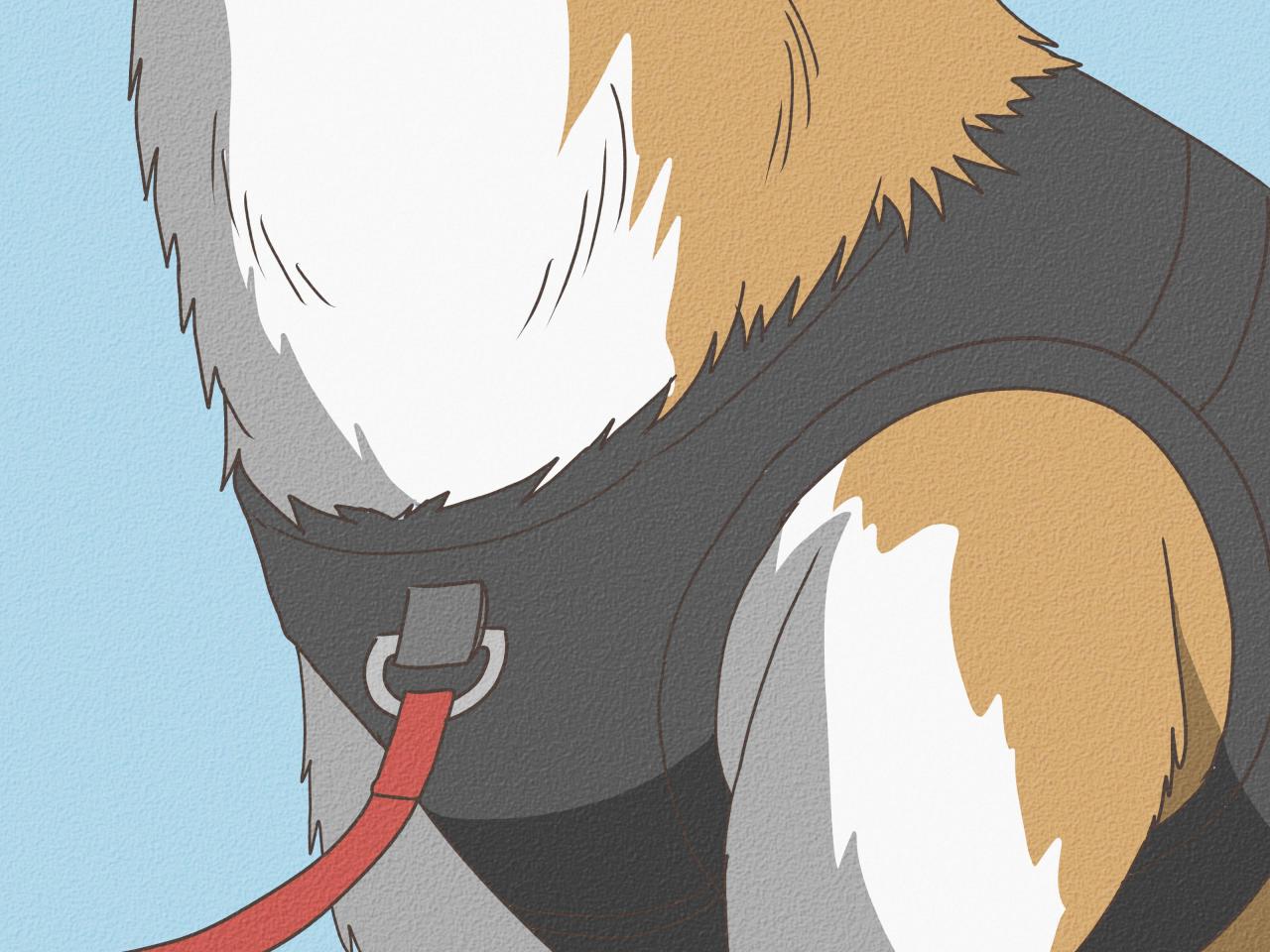
Successfully introducing a dog to a harness involves anticipating and addressing potential challenges. Understanding common problems and their solutions is crucial for a smooth transition and a positive experience for both you and your canine companion. This section Artikels strategies for overcoming obstacles like pulling, fear, or anxiety, and details how to adjust the harness for a comfortable fit.
Furthermore, it addresses leash reactivity issues and how to identify and address potential discomfort or pain.
Identifying Pulling
Pulling during harness training is a common issue. Dogs may pull due to excitement, lack of training, or simply not understanding the desired behavior. Early identification and proactive strategies are vital to address this issue effectively. Consistency and positive reinforcement are key.
- Understanding the Root Cause: Pulling can stem from various factors, such as excitement, lack of engagement, or a lack of understanding of the desired behavior. Analyze your dog’s body language and the situation to identify the underlying cause.
- Addressing the Issue: If excitement is the culprit, use a combination of verbal cues and physical redirection. If the dog pulls due to lack of engagement, increase the difficulty of the training exercise or add more stimulating activities. If the dog is pulling because they do not understand the desired behavior, ensure consistent training and reinforcement to clarify the desired outcome.
Positive reinforcement methods are particularly helpful in these cases.
- Adjusting Training Approach: Gradually increase the distance or duration of the walks, adjusting the pace and intensity as needed. This approach will increase engagement and help the dog to understand the cues. Consider using positive reinforcement methods, like rewarding the dog for walking calmly by your side. Rewarding calmness can quickly become a habit.
Managing Fear and Anxiety
Fear and anxiety are common reactions to new experiences, including harness use. A gradual introduction, patience, and positive reinforcement are essential to manage these responses.
- Creating a Safe Space: Start harness training in a familiar and low-stimulation environment. A quiet, calm location with minimal distractions can help to reduce anxiety.
- Positive Associations: Associate the harness with positive experiences. Offer treats, praise, and affection during the initial introduction phases. This positive reinforcement will help the dog develop a positive association with the harness.
- Gradual Exposure: Introduce the harness in short sessions, gradually increasing the duration as the dog becomes more comfortable. This process will ensure the dog adapts at its own pace.
Adjusting the Harness for a Proper Fit
A correctly fitted harness ensures comfort and prevents discomfort or injury. Proper fitting is critical for harness training success.
- Measuring Correctly: Measure your dog’s chest girth to determine the appropriate size harness. Ensure the harness fits snugly but not too tightly.
- Checking for Proper Placement: The harness should sit comfortably on the dog’s chest and shoulders, without restricting movement. Ensure straps are not digging into the skin. Check for proper adjustment to ensure comfort.
- Regular Adjustments: Regularly check the fit of the harness, as dogs grow and their body condition may change. Adjust as needed for optimal comfort.
Addressing Leash Reactivity
Leash reactivity can manifest as pulling, lunging, or barking when encountering other dogs or people. Addressing this issue requires patience and a systematic approach.
- Identifying Triggers: Identify the specific stimuli that trigger the reactivity. Note the dog’s body language and the environment.
- Training Techniques: Implement counter-conditioning and desensitization techniques to help the dog overcome the reactivity. Reward calm behavior around triggers and gradually increase exposure to them. Use positive reinforcement to reward calm behavior and gradually increase exposure to the triggers.
- Professional Guidance: Consider consulting a certified dog trainer for guidance on managing leash reactivity. A professional can provide tailored strategies and support for addressing this complex behavior.
Recognizing Discomfort or Pain
Recognizing signs of discomfort or pain is crucial to ensure your dog’s well-being during harness training. Pay close attention to your dog’s body language and behavior.
- Observing Body Language: Observe for signs of discomfort, such as panting excessively, whimpering, or reluctance to move. Pay close attention to any changes in body language.
- Assessing Behavior: Changes in behavior, like avoiding certain areas or showing aggression, could indicate discomfort or pain. Seek veterinary advice if you suspect any underlying issues.
- Seeking Veterinary Attention: If you notice any signs of discomfort or pain, consult your veterinarian promptly. Professional veterinary care is essential for addressing any potential health concerns.
Harness Training for Specific Activities
Harness training for specific activities goes beyond basic comfort and familiarity with the harness. It requires careful consideration of the activity’s demands, the dog’s temperament, and the harness’s suitability. This involves adjusting training methods to ensure the dog’s safety and comfort while performing the desired activity. A well-trained dog is more enjoyable to be around and better equipped to handle the demands of the task at hand.
Adapting Training Methods for Different Activities
Successfully harness training a dog for various activities requires tailoring the training methods to match the specific demands of the activity. For instance, hiking necessitates a different approach compared to running or dog sports. Training should emphasize obedience and responsiveness in a controlled environment before transitioning to the more demanding conditions of the activity. This proactive approach minimizes the risk of accidents or behavioral issues.
Choosing the Right Harness Type
Selecting the appropriate harness type is crucial for both the dog’s comfort and safety during specific activities. Different harness designs cater to different needs. Factors like the dog’s build, the activity’s intensity, and the dog’s natural tendencies should all be considered. Consideration of the harness’s fit and durability is equally important.
Safety Considerations in Harness Training
Safety is paramount in harness training for specific activities. Proper harness fitting is essential to prevent chafing, discomfort, and injury. The harness should not restrict the dog’s natural movements or breathing. Supervision and reinforcement of positive behaviors are crucial throughout the training process. Regular assessment of the dog’s response to the activity is necessary to ensure their well-being.
Harness Selection for Different Activities
| Activity | Suitable Harness Type | Considerations |
|---|---|---|
| Hiking | Front-clip harness or a well-fitting, comfortable full-body harness. | Look for harnesses with strong, durable straps and secure closures. Consider the terrain and dog’s build. A harness that distributes weight evenly is ideal. |
| Running | Front-clip harness or a well-fitting, comfortable full-body harness. | Prioritize lightweight harnesses that allow for unrestricted movement. Ensure the harness’s fit is secure and does not hinder the dog’s running stride. |
| Dog Sports (e.g., agility, obedience) | A harness specifically designed for dog sports, often with a chest plate and a well-distributed pressure point, or a comfortable full-body harness. | Consider harnesses that allow for maximum freedom of movement while maintaining secure attachment. Ensure the harness does not interfere with the dog’s performance. |
| Pulling Sports (e.g., carting, sledding) | A harness designed for pulling, typically with a chest plate, and strong, durable straps to prevent slippage. | Ensure the harness is properly fitted and secured to prevent injury. The harness should distribute the pull evenly across the dog’s body. |
Closing Summary
Successfully introducing your dog to a harness involves a blend of preparation, positive reinforcement, and careful consideration of your dog’s needs. By following the steps Artikeld in this guide, you can create a positive experience for your dog, ensuring a safe and comfortable journey together. Remember that consistency and patience are key to a successful harness training journey.