Crate training a dog is a valuable method for promoting both the dog’s well-being and a harmonious living environment. This process fosters a sense of security and structure for your canine companion, leading to a more well-adjusted and manageable pet. Learning the fundamentals of crate training can significantly improve your relationship with your dog, paving the way for a lifetime of shared experiences.
This guide provides a comprehensive overview of crate training, from essential supplies and basic obedience training to addressing common behavioral issues and advanced techniques. We will delve into specific strategies for different dog breeds and offer practical tips for building a strong bond with your furry friend. Furthermore, we will explore training for various activities and provide solutions for common training challenges.
Introduction to Dog Training

Dog training is a crucial aspect of responsible pet ownership, benefiting both the dog and its owner. A well-trained dog is a happy, healthy, and well-behaved companion, capable of navigating various social situations and environments with confidence and grace. Conversely, proper training fosters a strong bond between the dog and owner, reducing potential behavioral issues and fostering mutual respect.Dog training encompasses a range of techniques and methodologies, each with its own strengths and limitations.
Understanding the principles behind these methods allows owners to choose the approach that best suits their dog’s personality and learning style.
Different Dog Training Methods
Effective dog training utilizes various methods, each with specific applications. Choosing the appropriate approach is essential for successful outcomes.
- Positive Reinforcement: This method focuses on rewarding desired behaviors, strengthening the connection between the action and the positive consequence. Rewards can include treats, praise, or toys. This approach emphasizes building a positive association with training and is generally considered a humane and effective method.
- Classical Conditioning: This method involves associating a neutral stimulus with a naturally occurring stimulus to elicit a desired response. A common example is associating a specific sound (e.g., a clicker) with a treat, eventually prompting the dog to respond to the sound alone.
- Operant Conditioning: This method focuses on using consequences to modify behavior. Positive reinforcement strengthens desired behaviors, while punishment (used sparingly and judiciously) diminishes undesired ones. This method often involves shaping behaviors through successive approximations.
Benefits of Early Socialization for Puppies
Early socialization is critical for puppies. Exposing puppies to various sights, sounds, people, and other animals during their formative months helps them develop into well-adjusted adult dogs. This early exposure helps them learn appropriate social cues and interactions, preventing potential behavioral problems later on.
Common Dog Training Goals
Dog training aims to achieve various goals that contribute to a harmonious relationship between the dog and owner.
- Obedience: This involves teaching basic commands like sit, stay, come, and down. Obedience training provides structure and control for the dog, enabling better communication between dog and owner.
- Manners: This encompasses teaching appropriate etiquette for domestic settings, such as polite greetings, preventing jumping, and controlling barking. Manners are vital for maintaining a calm and harmonious environment within the home.
- Behavior Modification: This addresses specific behavioral issues, such as aggression, fear, or anxiety. Behavior modification techniques are customized to the individual dog’s needs, aiming to identify and resolve the underlying cause of the unwanted behavior.
Comparison of Dog Training Methods
| Training Method | Description | Examples |
|---|---|---|
| Positive Reinforcement | Rewards desired behaviors | Giving a treat when the dog sits, praising the dog for good behavior. |
| Classical Conditioning | Associating a neutral stimulus with a desired response | Using a clicker sound to signal the dog that a treat is coming. |
| Operant Conditioning | Using consequences to modify behavior | Punishing barking with a sharp noise, rewarding quiet behavior. |
Essential Supplies and Tools
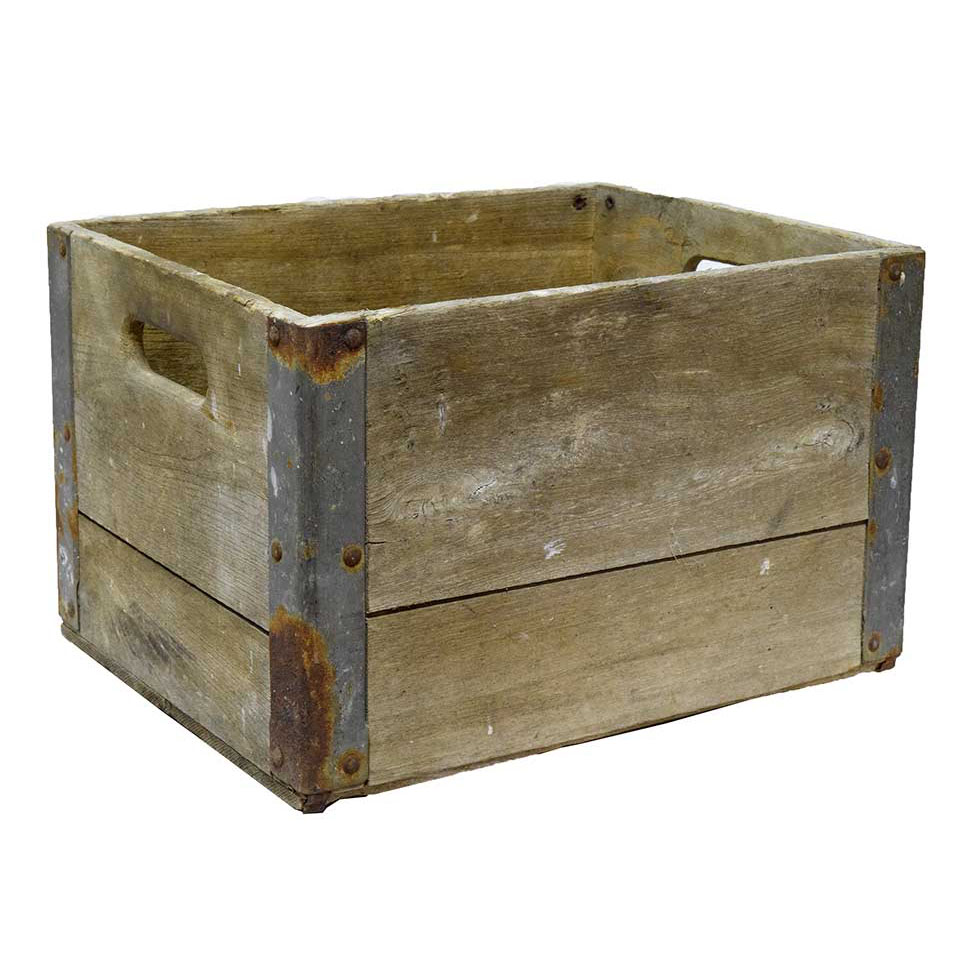
Proper preparation is key to successful crate training. Having the right supplies and tools not only enhances the training experience but also ensures your dog’s comfort and safety. This section Artikels the essential items and considerations for effective crate training.Choosing the right tools and supplies is crucial for both the dog’s well-being and the success of your training program.
Selecting items appropriate for your dog’s breed, size, and personality ensures a positive and productive training experience.
Food and Treats
A consistent feeding schedule and the use of high-value treats are vital for effective training. Providing a balanced diet ensures your dog’s overall health and energy levels, which directly impacts their focus during training sessions.High-value treats are small, tasty rewards that motivate the dog to perform desired behaviors. Examples include pieces of cooked meat, cheese, or special dog biscuits.
These treats are often more appealing than regular dog food, making them more effective motivators.
Toys
Providing appropriate toys for your dog can be a significant part of crate training. Toys help keep your dog occupied and entertained, especially when left alone in the crate.Interactive toys that encourage chewing and play can prevent boredom and destructive behaviors. These can include puzzle toys, stuffed animals, or durable chew toys.
Collars and Harnesses
Selecting the right collar or harness is crucial for both training and safety. The choice depends on your dog’s breed, size, and temperament.Different types of collars include flat collars, martingale collars, and prong collars. Flat collars are suitable for most dogs but are less effective in controlling pulling. Martingale collars are designed to prevent escape while allowing for a comfortable fit.
Prong collars are used for correction, but should only be used under the supervision of a professional trainer.Harnesses are an alternative to collars, offering more control over your dog’s body and potentially reducing pulling. Front-clip harnesses are often preferred as they distribute pressure more evenly, reducing strain on the dog’s neck.
Training Tools
Choosing the right training tools is essential for creating a positive and effective training experience.The effectiveness of training tools often depends on factors like the dog’s breed, size, and temperament. Tools that are too harsh or inappropriate for a dog’s size can be detrimental to the training process.
| Training Tool | Purpose | Potential Benefits | Potential Drawbacks |
|---|---|---|---|
| Clicker | Marking desired behaviors | Precise reinforcement, clear communication | Requires initial training, might not be effective for all dogs |
| Treat Pouch | Easy access to treats | Convenient for rewarding desired behaviors | May need to be appropriately sized for your dog |
| Leash | Control and guidance during walks | Provides control over your dog’s movement | Can be a source of frustration if not used correctly |
| Crate | Designated safe space | Provides a secure space for your dog | Improper use can lead to anxiety or fear |
Basic Obedience Training
Learning basic obedience commands is crucial for establishing a strong bond with your dog and ensuring their safety and well-being. These commands provide a framework for communication and control, allowing for more enjoyable walks, trips to the park, and a harmonious living environment. Understanding positive reinforcement techniques is essential for effective training and preventing frustration for both you and your canine companion.Positive reinforcement training focuses on rewarding desired behaviors rather than punishing unwanted ones.
This approach fosters a positive learning environment and strengthens the bond between you and your dog. Effective communication, patience, and consistency are key to success.
Teaching the “Sit” Command
Learning the “sit” command is the first step in teaching your dog basic obedience. It establishes clear communication and provides a foundation for more complex commands. Using positive reinforcement, you can teach your dog to sit reliably.
- Lure-Reward Method: Hold a treat near your dog’s nose and slowly move it back over its head. As their head follows the treat, their rear will naturally lower into a sit position. The moment their rear touches the ground, mark the behavior with a clear verbal cue (“sit”) and immediately reward them with the treat. Repeat this process, gradually reducing the lure until your dog sits in response to the verbal cue alone.
- Marker Training: A marker word (like “yes” or a specific sound) acts as a signal to your dog that the behavior was correct. Use the marker word precisely when your dog performs the desired action. Reward with a treat immediately after the marker. This method helps your dog quickly understand the connection between the action and the reward.
Teaching the “Stay” Command
Building upon the “sit” command, the “stay” command teaches your dog to maintain a position while you move away. It’s essential for safety and control in various situations.
- Progressive Duration: Begin by rewarding your dog for holding the “sit” position for a few seconds. Gradually increase the duration of the “stay” command. Use verbal cues (“stay”) and hand signals to reinforce the command. Start with short distances and progressively increase them as your dog masters the command.
- Adding Distance: Once your dog can stay for a few seconds, start to take a few steps back. Maintain positive reinforcement as you increase the distance. Use a happy tone of voice and positive body language to encourage your dog to stay.
Teaching the “Come” Command
The “come” command is crucial for recalling your dog’s attention and ensuring their safety. It is especially important in busy or distracting environments.
- Positive Association: Associate the “come” command with highly desirable rewards. Use a happy tone of voice and a motivating reward to encourage your dog to approach you.
- Building Momentum: Begin in a controlled environment and gradually increase the distractions. Start with a short distance and reward the dog for responding to the command.
Teaching the “Down” Command
The “down” command teaches your dog to lie down on command. This is beneficial for various situations, including during grooming or examination.
- Lure-Reward Method: Use a treat to lure your dog into a down position. Slowly move the treat towards the ground, encouraging the dog to follow. The moment they lie down, mark the behavior with the verbal cue (“down”) and reward.
- Adding a Cue: Once your dog understands the down position, begin adding a verbal cue or hand signal.
Reinforcement Schedules
Different reinforcement schedules can affect the effectiveness of obedience training.
- Continuous Reinforcement: Rewarding every desired behavior strengthens the connection between the behavior and the reward. This is ideal for initial learning.
- Intermittent Reinforcement: Rewarding some but not all desired behaviors makes the training more resistant to extinction. This method is effective for maintaining learned behaviors in the long term.
Step-by-Step “Sit” and “Stay”
| Step | “Sit” | “Stay” |
|---|---|---|
| 1 | Hold treat near dog’s nose, move it back over its head. | Have dog sit, reward for holding position for few seconds. |
| 2 | As dog’s head follows, rear lowers. | Mark with cue “stay” and reward. |
| 3 | Mark with verbal cue “sit”. | Gradually increase hold time. |
| 4 | Immediately reward. | Use hand signal or verbal cue for reinforcement. |
| 5 | Gradually reduce the lure. | Gradually increase distance. |
Addressing Common Behavioral Issues
Understanding and addressing common behavioral problems in dogs is crucial for a harmonious relationship. These issues often stem from a combination of factors, including genetics, past experiences, and environmental influences. Effective training methods, combined with a deep understanding of canine body language, are essential for positive change.Many dog behaviors that seem problematic are often responses to underlying needs or anxieties.
Recognizing these needs and addressing them appropriately, rather than simply suppressing the behavior, leads to more positive and lasting results. Positive reinforcement techniques, coupled with a thoughtful approach to environmental modifications, can significantly improve a dog’s behavior and overall well-being.
Common Behavioral Problems
A range of behavioral issues can affect dogs, impacting their interaction with humans and other animals. These range from relatively minor annoyances to more serious concerns that require professional help. Identifying the specific problem and its root cause is essential to creating a tailored solution.
- Aggression: Aggressive behaviors in dogs can manifest in various forms, from growling and snapping to biting. Possible causes include fear, resource guarding (e.g., food, toys), or a lack of socialization. Understanding the specific trigger is critical to addressing the issue. Aggressive behaviors should never be ignored and may require professional intervention.
- Fear: Fear-related behaviors, such as excessive barking, hiding, or avoiding certain situations, are often linked to past negative experiences. These can range from traumatic events to less dramatic, but still distressing, experiences. Gradually exposing the dog to feared stimuli in a controlled and positive environment can help desensitize them.
- Separation Anxiety: Separation anxiety is characterized by excessive distress when a dog is left alone. This can manifest in destructive behaviors like chewing or barking. Factors such as the dog’s age, breed, and past experiences can contribute to the development of this condition. Building a routine and gradual desensitization techniques are often effective in managing this problem.
- Excessive Barking: Excessive barking can be a symptom of various issues, including boredom, anxiety, or a desire for attention. Understanding the context of the barking is essential to address the underlying cause. This might involve providing more mental stimulation, addressing potential anxieties, or training alternative behaviors.
Potential Causes of Behavioral Issues
Several factors contribute to the development of behavioral problems in dogs. Understanding these factors can lead to more effective solutions.
- Genetics: Certain breeds are predisposed to specific behaviors, such as herding instincts or guarding tendencies. While genetics play a role, these behaviors can be modified through training.
- Past Experiences: Negative experiences, such as abuse, neglect, or trauma, can significantly impact a dog’s behavior. Addressing these experiences may require professional intervention.
- Environmental Factors: A dog’s environment, including living conditions, interactions with other animals, and access to stimulation, plays a vital role in shaping their behavior.
- Lack of Training: Insufficient or inappropriate training can result in unwanted behaviors. Consistent and positive reinforcement techniques are essential.
Positive Reinforcement Methods
Positive reinforcement methods are crucial for addressing behavioral problems. These methods focus on rewarding desired behaviors rather than punishing unwanted ones.
- Rewards: Using treats, praise, or toys to reward desired behaviors is essential. The reward should be immediate and relevant to the dog’s motivation.
- Consistency: Consistent application of training methods is key to success. The dog needs to understand the expectations and responses.
- Patience: Addressing behavioral problems requires patience. Progress may be slow, but consistent effort will yield positive results.
- Understanding Body Language: Observing and interpreting canine body language is crucial. This allows you to recognize signs of stress, anxiety, or aggression, enabling you to adjust your approach.
Preventing Behavioral Issues
Proactive measures can prevent many behavioral problems from developing in the first place. Early socialization, consistent training, and a secure environment are essential.
- Early Socialization: Exposing puppies to various people, animals, and environments helps them develop into well-adjusted adults. Proper socialization can prevent fear-based behaviors and aggression.
- Consistent Training: Regular training sessions help dogs understand expectations and develop good habits. This also provides mental stimulation, preventing boredom.
- Safe Environment: A secure and predictable environment minimizes stress and reduces the likelihood of behavioral issues.
Advanced Training Techniques
Moving beyond basic obedience, advanced training techniques equip you and your dog with a deeper understanding and connection. These methods foster more complex behaviors, problem-solving skills, and a stronger bond, allowing for greater adaptability and engagement in various situations. These methods build on the foundation of basic obedience and require patience, consistency, and positive reinforcement.Advanced training techniques, such as shaping, capturing, and chaining, require a shift in perspective from simply commanding a dog to guiding and encouraging its learning process.
These methods allow for greater creativity and flexibility in training, enabling dogs to learn more nuanced and complex behaviors. The use of distractions and progressive difficulty enhances the dog’s ability to focus and maintain composure in challenging environments.
Shaping
Shaping involves rewarding successive approximations of the desired behavior. Instead of expecting the complete behavior immediately, you reward any step that moves the dog closer to the target. This method is particularly useful for teaching complex tricks or behaviors that a dog wouldn’t naturally exhibit. For instance, if teaching a dog to “play dead”, you might first reward them for lying down, then for lying still, then for lying still while you touch them, and finally for remaining still when you say “play dead.”
Capturing
Capturing involves rewarding a behavior that the dog already performs naturally. This method is ideal for behaviors a dog demonstrates spontaneously, such as a specific playful action or a certain way of sitting. By recognizing and rewarding the desired behavior, you reinforce its occurrence and gradually increase the duration or complexity of the action. A dog that naturally “paws” at your hand can be encouraged to do it on command using this technique.
Chaining
Chaining involves linking individual behaviors into a sequence to form a more complex action. Each step in the chain becomes a cue for the next, eventually resulting in a series of actions. For example, teaching a dog to fetch a specific item and bring it back, then drop it. Each action is taught individually and then linked together to create a larger sequence.
Distractions in Training
Distractions are essential for building resilience and focus in training. Gradually introducing distractions, such as toys, other dogs, or people, allows the dog to learn to maintain concentration and respond to cues even in a less controlled environment. It’s crucial to start with minimal distractions and progressively increase their intensity as the dog demonstrates mastery. A dog who reliably sits on command in a quiet room should be challenged with distractions, like the sound of a bell.
Progressive Difficulty
Increasing the difficulty of training exercises progressively ensures that the dog doesn’t become overwhelmed. Starting with simple cues and gradually introducing complexity builds confidence and prevents frustration. This approach avoids introducing challenges that are beyond the dog’s current capabilities. This also enhances the dog’s problem-solving abilities and reinforces a positive learning experience.
Reward Systems for Complex Behaviors
Utilizing a variety of reward systems, such as food treats, praise, and toys, reinforces complex behaviors. Using a combination of rewards caters to individual dog preferences, motivating them to learn more challenging tasks. For instance, a dog that enjoys a specific toy may be motivated to perform complex behaviors by the promise of playing with it.
Basic vs. Advanced Training Methods
| Feature | Basic Training | Advanced Training |
|---|---|---|
| Focus | Simple commands and obedience | Complex behaviors, problem-solving, and focus |
| Reward System | Primarily treats and praise | Variety of rewards (treats, praise, toys) |
| Distractions | Minimal distractions | Progressive introduction of distractions |
| Learning Curve | Faster initial learning | Slower initial learning, but greater understanding |
| Goal | Basic obedience and control | Advanced skills and problem-solving |
Training Tips for Specific Breeds
Tailoring training strategies to individual dog breeds is crucial for success. Understanding a breed’s inherent traits, such as temperament, energy levels, and natural instincts, significantly impacts how they learn and respond to training methods. This approach ensures a positive and effective training experience for both the dog and the owner.
Herding Breeds
Herding breeds, renowned for their intelligence and strong work drive, often thrive with training methods that incorporate their natural instincts. These breeds, including Border Collies and Australian Shepherds, are highly motivated by tasks and activities that mimic their herding behaviors. Positive reinforcement, utilizing lure-and-reward techniques, and incorporating activities like scent work or agility training, are often effective. Their eagerness to please and work can be channeled into positive reinforcement-based activities.
Consistent structure and clear commands are also essential for these breeds.
Working Breeds
Working breeds, like German Shepherds and Rottweilers, require mentally and physically stimulating training environments. Their high energy levels and innate drive to work necessitate activities that channel their energy. This includes obedience training, protection work (under the guidance of a professional), or activities that engage their minds, like puzzle toys or scent work. Structured routines and clear boundaries are paramount for these breeds.
It is crucial to match the intensity of training to the breed’s stamina and temperament to avoid overexertion.
Toy Breeds
Toy breeds, such as Chihuahuas and Pomeranians, often have a unique set of needs compared to larger breeds. Their smaller size and often delicate nature necessitate a gentler, more patient approach. Positive reinforcement techniques, like treats and praise, are usually highly effective. Short training sessions, frequent breaks, and avoiding harsh corrections are important. The training process should be adapted to their smaller size and energy levels.
Avoid overwhelming them with overly complex commands or extended training sessions.
A Comparison of Training Needs Across Different Breeds
| Breed | Temperament | Energy Level | Training Style | Specific Needs |
|---|---|---|---|---|
| Border Collie | Intelligent, energetic, highly motivated | High | Positive reinforcement, herding-based activities | Consistent structure, clear commands, mental stimulation |
| German Shepherd | Loyal, intelligent, protective | High | Positive reinforcement, obedience training, structured routines | Mentally and physically stimulating activities, clear boundaries |
| Chihuahua | Affectionate, sometimes independent | Low to Medium | Positive reinforcement, short training sessions, gentle corrections | Avoid overwhelming, provide frequent breaks |
| Golden Retriever | Friendly, outgoing, eager to please | Medium | Positive reinforcement, reward-based training | Needs regular exercise, consistent training routine |
This table highlights the diverse needs of different breeds. Each breed possesses unique characteristics that require specific training strategies to maximize the dog’s well-being and the owner’s success. A comprehensive understanding of these needs is crucial for successful training outcomes.
Building a Strong Bond with Your Dog
A strong bond between you and your canine companion is the cornerstone of successful dog training. This bond fosters trust, cooperation, and a positive learning environment, leading to a happier and healthier relationship. It’s more than just obedience; it’s about mutual understanding and affection.Establishing this connection is a crucial aspect of dog training. A well-bonded dog is more receptive to training, more likely to follow commands, and will generally exhibit better behavior.
This positive relationship isn’t built overnight; it’s a process that requires patience, consistency, and a genuine commitment to understanding your dog’s needs.
Importance of Positive Reinforcement
Positive reinforcement techniques play a vital role in strengthening the bond between you and your dog. By associating positive actions with rewards, you encourage desired behaviors and create a positive learning experience. This method focuses on rewarding good behavior rather than punishing undesirable ones. It builds trust and creates a cooperative atmosphere. For example, praising your dog enthusiastically when they sit on command reinforces that behavior and makes them eager to repeat it.
Playtime and Affection in Dog Training
Playtime and affection are essential elements in fostering a strong bond. These activities help create a positive and enjoyable training environment, and they build trust and mutual respect. Dedicated playtime sessions, using toys and engaging games, strengthen the bond and provide valuable opportunities for interaction. Affection, such as petting and cuddling, demonstrates care and creates a sense of security and belonging.
Creating a Positive and Supportive Training Environment
A positive and supportive training environment is critical for building a strong bond. Avoid harsh corrections or punishments, as these can create fear and distrust. Instead, focus on creating a safe and encouraging space where your dog feels comfortable exploring and learning. Keep training sessions short and engaging, ensuring your dog doesn’t become overwhelmed or bored. A calm and predictable environment will encourage a relaxed and receptive attitude from your dog.
Consistency in Training Routines
Consistency in training routines is vital for a strong bond and effective training. A predictable routine helps your dog understand expectations and respond appropriately. This consistency reinforces the bond and demonstrates your reliability as a leader. Regular training sessions, even short ones, create a predictable structure that your dog can rely on. Inconsistency can lead to confusion and frustration, hindering the development of a strong bond.
Consistent routines also help your dog develop a better understanding of their place in the household.
Troubleshooting Training Challenges
Successfully training a dog involves patience, persistence, and a willingness to adapt. While a well-structured training program provides a solid foundation, unexpected obstacles are inevitable. Understanding these potential challenges and possessing strategies to overcome them are crucial for fostering a positive and productive training experience for both you and your canine companion.Addressing setbacks and maintaining motivation are key aspects of navigating the complexities of dog training.
A flexible approach, coupled with a deep understanding of your dog’s individual needs and temperament, allows you to adjust training methods effectively. This proactive approach empowers you to overcome resistance and ensure the training process remains engaging and rewarding.
Identifying Common Obstacles
Training a dog can be a rewarding experience, but it often presents challenges. Understanding these obstacles is the first step towards finding effective solutions. Recognizing patterns of resistance, disobedience, or lack of progress is essential for tailoring your approach and achieving desired outcomes.
- Distraction Issues: Dogs, like humans, can be easily distracted. Environmental factors such as other animals, loud noises, or interesting smells can derail a training session. Addressing this involves minimizing distractions during training sessions and gradually increasing the level of stimuli as the dog progresses.
- Lack of Motivation: If a dog isn’t engaged or excited about the training process, progress can stagnate. Finding a reward system that motivates the dog, using positive reinforcement techniques, and ensuring the dog feels a sense of accomplishment are all important aspects of maintaining enthusiasm.
- Health Concerns: Underlying health issues can significantly impact a dog’s ability to learn and perform commands. Regular veterinary check-ups are crucial to rule out any medical conditions that might be contributing to behavioral problems. Consulting a veterinarian or certified dog trainer for a comprehensive evaluation is vital for a dog exhibiting unusual behavior.
- Inconsistency in Training: Varying commands, cues, or reinforcement methods can confuse a dog and hinder learning. Maintaining consistency in your training approach, including the timing and delivery of rewards, is critical to ensure clear communication and avoid misunderstandings.
Addressing Setbacks and Maintaining Motivation
Setbacks are a normal part of the training process. Understanding how to respond to these moments effectively is vital for maintaining a positive learning environment. Focusing on the positive aspects of training, celebrating small victories, and adapting your strategies are essential.
- Celebrate Small Victories: Acknowledge and reward even the smallest successes. Positive reinforcement, like praise and treats, reinforces desired behaviors and builds confidence. Celebrating milestones is crucial to maintaining motivation.
- Adjust Training Methods: If a particular method isn’t working, be prepared to modify your approach. Experiment with different techniques, reward schedules, or training locations. Adjusting training methods is an important part of tailoring training to the dog’s individual learning style.
- Take Breaks: Avoid overtraining. Taking breaks during training sessions allows both you and the dog to rest and recharge. A fatigued dog is less likely to focus and learn effectively. Breaks help maintain motivation and prevent burnout.
Adapting Training Methods When Facing Resistance
Dogs, like humans, may sometimes resist certain commands or training methods. It is essential to adapt your strategies to maintain a positive learning environment. Understanding the root cause of resistance is key to finding an effective solution.
- Reinforce Positive Behavior: Focus on rewarding the dog for desired behaviors rather than punishing them for unwanted ones. Using positive reinforcement strengthens positive associations with training.
- Reduce the Intensity: If the dog appears overwhelmed, adjust the intensity of the training session. Breaking down complex tasks into smaller, manageable steps can make the learning process more accessible.
- Consult a Professional: If resistance persists despite adjustments, seeking advice from a professional dog trainer can be beneficial. A qualified trainer can provide personalized guidance and identify potential underlying issues.
Strategies for Dealing with Dog Disobedience
Disobedience in dogs can stem from various factors. Understanding the underlying causes and applying appropriate strategies are crucial for addressing this issue.
- Consistency is Key: Consistent reinforcement of desired behaviors is critical. Inconsistency can confuse the dog and lead to disobedience. Reinforcing desired behaviors builds clear communication and trust between you and your dog.
- Analyze the Situation: Carefully consider the context surrounding the disobedience. Environmental factors, other animals, or health concerns might be contributing factors. Determining the root cause is crucial for implementing an effective solution.
- Seek Professional Advice: If disobedience persists, consult a professional dog trainer. A professional can identify underlying behavioral issues and offer tailored solutions.
Common Training Challenges and Potential Solutions
| Training Challenge | Potential Solution |
|---|---|
| Distraction | Minimize distractions, gradually increase stimuli, positive reinforcement. |
| Lack of Motivation | Reward system, positive reinforcement, build confidence. |
| Health Issues | Regular veterinary check-ups, consult with veterinarian or certified dog trainer. |
| Inconsistency | Maintain consistent cues, reinforcement, and timing. |
| Resistance | Positive reinforcement, reduce intensity, consult a professional. |
| Disobedience | Consistency, analyze the situation, seek professional advice. |
Training for Specific Activities
Training a dog for specific activities goes beyond basic obedience. It requires a deep understanding of the dog’s temperament, breed characteristics, and a dedicated training approach tailored to the chosen activity. This specialized training often involves working with certified trainers and specialized equipment.Effective training for specific activities like agility, obedience competitions, or service dog work fosters a strong bond between the dog and handler, while simultaneously enhancing the dog’s physical and mental well-being.
It allows dogs to excel in a chosen area, fulfilling their potential and providing rewarding experiences for both dog and owner.
Agility Training
Agility training challenges dogs physically and mentally, demanding coordination, speed, and problem-solving skills. This training is ideal for dogs with a high energy level and a desire to learn new tasks. Agility courses are composed of obstacles like tunnels, jumps, weave poles, and ramps, and successful completion involves accurate and timely navigation. A structured training program is essential, beginning with foundational obedience commands and gradually introducing obstacles.
Experienced agility trainers emphasize positive reinforcement techniques, rewarding correct responses and encouraging the dog’s natural enthusiasm.
Obedience Competition Training
Obedience competitions test a dog’s ability to execute a variety of commands, from basic obedience to more complex maneuvers. This training emphasizes precision, focus, and responsiveness. It often involves specific patterns, sequences, and timing for commands like sit, stay, down, come, and heel. Consistent repetition, patience, and positive reinforcement are crucial for success. This training requires a strong bond between the dog and handler, as communication and trust are essential for a successful performance.
Dedicated practice and feedback from experienced trainers are vital for improving performance.
Service Dog Training
Service dog training is a rigorous process, carefully selecting dogs with the temperament and work ethic required for specific tasks. These dogs are trained to assist individuals with disabilities, performing tasks such as opening doors, retrieving objects, or providing emotional support. Service dog training is highly specialized, often involving trainers certified in this area. The training program is meticulously designed to develop a dog’s abilities and build its confidence.
It encompasses essential obedience commands, safety protocols, and task-specific training tailored to the recipient’s needs.
Training Requirements for Different Dog Activities
| Activity | Essential Skills | Equipment | Training Duration | Training Frequency |
|---|---|---|---|---|
| Agility | Obedience, coordination, speed, problem-solving | Agility equipment (tunnels, jumps, weave poles, ramps) | Variable, depending on dog’s aptitude and experience | Several times per week |
| Obedience Competition | Precision, focus, responsiveness, consistent execution of commands | Leash, collar, handler’s knowledge of commands | Variable, depending on the dog’s progress | Regular practice sessions |
| Service Dog | Specific tasks, obedience, safety protocols, emotional support | Specific equipment, depending on the tasks | Extensive, potentially several months | Intensive, daily or frequent sessions |
Conclusion
In conclusion, crate training offers a rewarding journey towards a more positive and productive relationship with your dog. By understanding the process, addressing potential issues, and tailoring the approach to your dog’s individual needs, you can create a safe and enriching environment for both of you. Remember that consistency, patience, and positive reinforcement are key elements in successful crate training.
With dedication and the right tools, you can establish a strong foundation for a happy and well-behaved canine companion.