Puppy socialization is crucial for a dog’s healthy development and well-being. A well-socialized puppy is more likely to be confident, adaptable, and friendly towards people and other animals. This guide provides a clear roadmap for successful puppy socialization in just five manageable steps, helping you build a well-adjusted companion.
Early exposure to various sights, sounds, and experiences is key. Understanding how to introduce your puppy to new people, animals, and environments in a controlled and positive manner is vital for success. This process is about building positive associations and minimizing anxieties, leading to a well-rounded and happy dog.
Introduction to Puppy Socialization
Puppy socialization is the process of exposing a puppy to various people, animals, environments, and situations during their formative period, typically from 3 to 12 weeks of age. This exposure helps them develop appropriate responses and behaviors in the presence of these stimuli. A well-socialized puppy is better equipped to handle the challenges of adulthood, exhibiting confidence and adaptability in different settings.Early socialization is crucial for a puppy’s healthy development.
It fosters the development of appropriate social skills, including fear management, play interactions, and respectful interactions with other dogs. A puppy that is exposed to diverse experiences during this critical period is less likely to exhibit fearful or aggressive behaviors later in life. A lack of appropriate socialization can result in behavioral problems such as fear aggression, anxiety, or even reactivity to various stimuli.
Without proper exposure, a puppy might exhibit extreme caution or aggression towards unfamiliar people or animals, which can lead to serious social challenges.
Importance of Early Socialization
Early exposure to different stimuli is vital for a puppy’s development. This period allows puppies to learn acceptable social behaviors and responses to different stimuli. Through positive and controlled exposure, puppies learn to interact appropriately with various individuals and creatures. Early socialization builds a foundation for a well-adjusted adult dog, reducing the risk of behavioral issues later on.
For example, a puppy socialized to different environments, noises, and other dogs is more likely to remain calm and composed during stressful situations as an adult.
Potential Consequences of Insufficient Socialization
Insufficient socialization can lead to a variety of behavioral problems in adult dogs. These problems can manifest as fearfulness, aggression, reactivity, or other issues related to social interaction. A dog not properly socialized might exhibit excessive barking, anxiety, or withdrawal when encountering new people or animals. Such behaviors can create challenges for the dog and their owners, potentially leading to difficulties in daily life.
For example, a dog with insufficient socialization might become fearful of other dogs, leading to aggressive interactions.
Common Misconceptions about Puppy Socialization
One common misconception is that socialization is only about exposing a puppy to other dogs. In reality, socialization encompasses a broader range of experiences, including people of different ages and sizes, various environments (e.g., parks, stores, or vehicles), and novel stimuli (e.g., sounds, smells, or textures). Another misconception is that socialization must happen all at once. A better approach involves gradual and controlled exposure to different stimuli.
Proper socialization is not about overwhelming the puppy but about carefully introducing them to various experiences at their own pace.
Overview of the 5 Steps Involved in Puppy Socialization
These five steps provide a framework for introducing your puppy to various stimuli in a safe and controlled manner. Each step builds upon the previous one, allowing the puppy to adapt and progress at their own pace. This approach promotes positive associations and prevents overwhelming the puppy.
| Step | Description | Importance |
|---|---|---|
| 1 | Familiarize your puppy with their immediate environment. | This builds confidence and trust. |
| 2 | Introduce your puppy to controlled, positive interactions with people. | Develops positive associations with humans. |
| 3 | Gradually introduce your puppy to different environments. | Encourages adaptability and reduces fear. |
| 4 | Introduce your puppy to controlled interactions with other animals. | Promotes understanding and acceptance of other species. |
| 5 | Continue controlled socialization, adjusting based on the puppy’s response. | Allows for ongoing refinement of social skills. |
Identifying Socialization Opportunities
Puppy socialization is a crucial aspect of raising a well-adjusted and confident dog. Early exposure to various stimuli helps shape a puppy’s future behavior, reducing the risk of anxieties and fears. This stage requires careful planning and a structured approach to ensure a positive and enriching experience.A well-socialized puppy is better equipped to navigate the world with confidence and composure.
This involves carefully introducing them to a variety of people, animals, and environments, fostering a positive association with new experiences. This section details how to identify and utilize opportunities for a puppy’s social development.
Different Types of Social Encounters
Positive socialization encompasses a range of experiences that introduce puppies to different types of people, animals, and environments. This includes encounters with children, adults, various breeds of dogs, cats, and other pets. Exposure to different sounds, sights, and textures is also important.
Appropriate Places for Exposure
Controlled environments are essential for safe and positive socialization. Start with familiar, quiet locations before gradually introducing more stimulating environments. Local parks, dog parks (with proper supervision), and pet stores are potential socialization venues. Public spaces, such as pet-friendly cafes or dog-walking areas, provide valuable opportunities.
Controlled and Gradual Exposure
Gradual exposure is key to preventing overwhelming a puppy. Start with short, positive interactions, ensuring the puppy remains calm and relaxed. Introduce new stimuli in small increments, allowing the puppy to adjust to each encounter. Observe the puppy’s body language for signs of stress or anxiety. If a puppy shows signs of fear, remove them from the situation and try again later.
Socialization Methods
Controlled exposure and playdates are two common socialization methods. Controlled exposure involves carefully introducing puppies to new experiences in a controlled environment, allowing for gradual adaptation. Playdates, when supervised, can offer opportunities for interaction with other dogs. Proper supervision and selection of compatible playmates are crucial for a positive experience.
Safe and Appropriate Social Interactions
Positive interactions are essential. Ensure all interactions are calm and controlled, avoiding forceful or aggressive encounters. Praise and reward calm and appropriate behavior. Do not force interactions if the puppy is hesitant or showing signs of fear.
Creating a Safe and Positive Environment
A calm and predictable environment is crucial. Provide a safe space for the puppy to retreat to if they feel overwhelmed. Establish clear boundaries and routines to minimize stress. Always supervise interactions to prevent conflicts or accidents.
Things to Avoid During Socialization
Avoid forcing interactions, especially if the puppy shows signs of distress. Do not expose puppies to overly stimulating or overwhelming situations. Never punish or scold a puppy for showing fear or anxiety during socialization. Avoid interactions with aggressive or sick animals.
Socialization Opportunities Table
| Socialization Opportunity | Description | Safety Tips |
|---|---|---|
| Dog Parks | Structured environments for controlled interactions with other dogs. | Supervise interactions closely, ensure dogs are compatible, and remove the puppy if they show signs of fear or aggression. |
| Playdates | Supervised interactions with other puppies or dogs. | Ensure playmates are compatible and supervise closely to prevent conflicts. |
| Pet Stores | Controlled exposure to new sights, sounds, and other animals. | Keep interactions short and positive, and remove the puppy if they seem overwhelmed. |
| Public Parks | Exposure to various people, dogs, and sounds. | Choose less crowded areas initially, and ensure the puppy feels comfortable. |
Step 1
Early socialization is crucial for a puppy’s development, shaping their future behavior and interactions. This initial phase lays the foundation for their adaptability and confidence as they encounter new experiences. Positive reinforcement during these formative months is paramount. By creating positive associations with various stimuli, puppies learn to approach new situations with curiosity and trust, rather than fear or aggression.Positive reinforcement techniques, when applied consistently and correctly, help puppies form a strong bond with their handlers and foster a positive outlook on the world around them.
This positive approach builds a solid foundation for future training and socialization. Gradually introducing puppies to diverse sights, sounds, and smells helps them develop essential coping mechanisms for navigating a complex world.
Positive Reinforcement in Early Socialization
Positive reinforcement is a cornerstone of successful puppy socialization. Rewarding desired behaviors reinforces those actions, encouraging the puppy to repeat them. This approach builds a strong positive association with new experiences. For example, if a puppy approaches a new object without showing fear, rewarding their calm curiosity will encourage them to approach other new objects similarly in the future.
This positive association is far more effective than punishment, which can instill fear and anxiety.
Creating Positive Associations
To create positive associations with new sights, sounds, and smells, use high-value rewards such as treats, toys, or praise. When a puppy encounters something new, like a loud noise or a strange smell, immediately reward any neutral or positive reaction. If they show no fear, give them a treat and praise them for their calmness. This positive reinforcement creates a link between the new stimulus and a positive experience, teaching the puppy that these new things are not something to fear.
Consider the use of classical conditioning, where a neutral stimulus (new object or sound) is paired with a positive stimulus (treat) to create a positive association over time.
Introducing Puppies to New Environments and Stimuli Gradually
Introduce new surfaces, textures, and environments gradually. Start with familiar places and gradually introduce slightly unfamiliar ones. For instance, if your puppy is comfortable in your living room, introduce them to the backyard, and then to a park. Gradually increasing the novelty helps prevent overwhelming the puppy. Introduce one new element at a time to avoid sensory overload.
This approach allows the puppy to adjust to new environments at their own pace.
Avoiding Common Mistakes
Avoid forcing a puppy into a new situation. If a puppy shows signs of fear or distress, remove them from the situation immediately and try again later. Do not punish a puppy for fear; instead, provide reassurance and comfort. Avoid using harsh tones or physical corrections, as these can instill fear and create negative associations. This can undermine the overall process of socialization and create distrust.
The Role of Handler’s Body Language and Tone of Voice
The handler’s body language and tone of voice play a crucial role in shaping the puppy’s experience. Maintain a calm and reassuring demeanor. Use a gentle, happy tone of voice when interacting with the puppy. Avoid sudden movements or loud noises, which can frighten the puppy. A relaxed, calm attitude from the handler is key to ensuring a positive outcome.
By displaying calmness, the handler conveys confidence and safety to the puppy.
Positive Reinforcement Techniques
Several techniques can be used for positive reinforcement:
- Treats: Use high-value treats to reward desired behaviors. Choose treats that your puppy loves and are easy to administer.
- Praise: Verbal praise and petting are effective ways to reinforce positive behaviors.
- Toys: Use toys as rewards to engage the puppy and create positive associations.
- Play: Engaging in play with the puppy after positive behaviors is an excellent motivator.
Things to Consider When Exposing a Puppy to Different Environments
- Start in Familiar Places: Begin in environments where the puppy feels safe and secure. This helps build confidence.
- Introduce One New Element at a Time: Gradually expose the puppy to new sights, sounds, and smells, one at a time.
- Observe Body Language: Watch for signs of fear or stress. If the puppy shows any signs of distress, remove them from the situation immediately.
- Short, Frequent Sessions: Keep socialization sessions short and frequent, ensuring the puppy remains engaged and does not become overwhelmed.
- Positive Reinforcement: Focus on positive reinforcement techniques, such as rewarding calm and curious behaviors.
- Avoid Force: Never force a puppy into a situation that makes them uncomfortable.
- Control the Environment: Ensure the environment is safe and controlled, minimizing potential hazards.
Step 2: Introducing Puppies to People
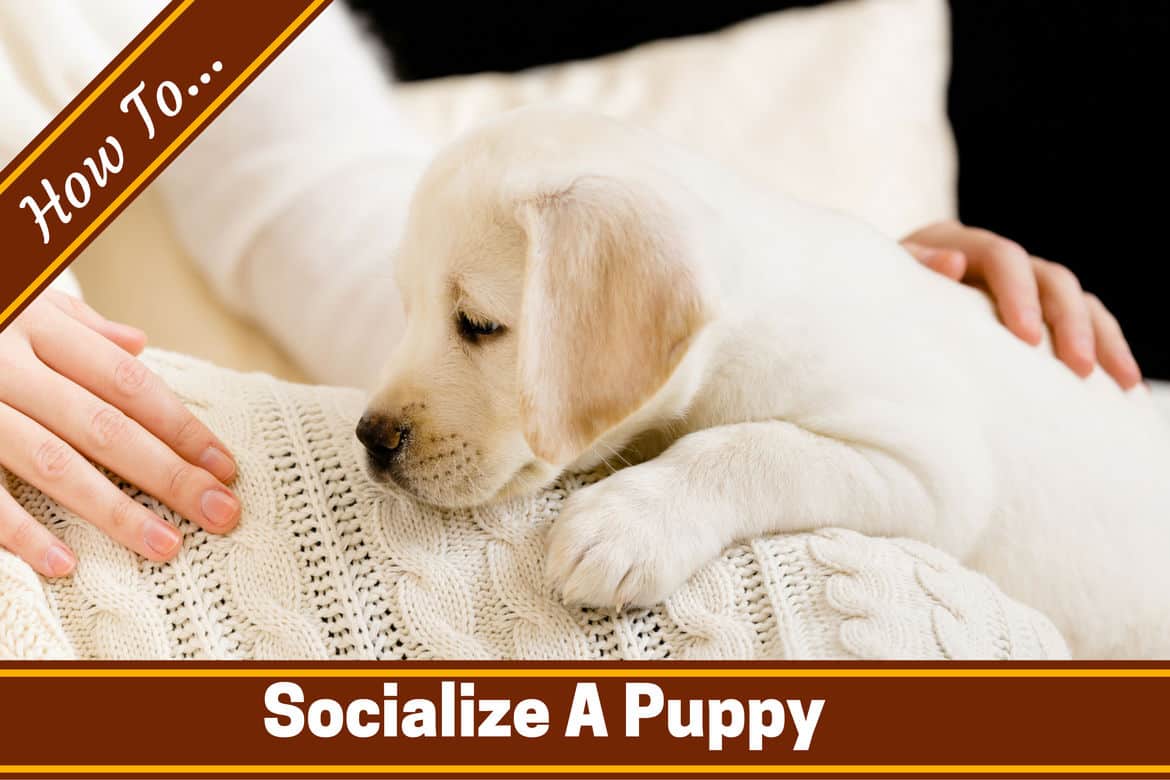
Introducing puppies to a variety of people is crucial for their overall socialization. This step involves controlled interactions with different age groups and backgrounds to foster positive associations and prevent fear or aggression. A well-socialized puppy will be more confident and adaptable in various social situations.Controlled interactions with people are vital for a puppy’s development. Exposure to diverse individuals helps puppies learn appropriate responses to different social cues, which translates into a more well-adjusted and confident adult dog.
Introducing Puppies to Strangers
Positive introductions to strangers are achieved through gradual exposure and controlled interactions. Start by having the puppy meet strangers from a distance, allowing the puppy to observe and approach at its own pace. Use treats or toys to reward calm and curious behavior. Avoid forcing interactions or rushing the process. Strangers should be instructed to avoid sudden movements or loud noises around the puppy.
Introducing Puppies to Children
Puppies should be introduced to children in a supervised environment. Children should be taught how to interact respectfully with the puppy, such as avoiding sudden movements, loud noises, or rough handling. Children should be encouraged to gently pet the puppy, and to avoid pulling on its fur or tail. Supervised play is crucial for preventing potential conflicts.
Positive reinforcement for calm interactions is important for both the puppy and the child.
Body Language and Verbal Cues
Understanding body language is paramount. Observe the puppy’s signals; if it shows signs of stress or fear (e.g., tucked tail, whining, avoiding eye contact), the interaction should be ended and the puppy given space. Positive reinforcement, such as treats or praise, should be given when the puppy displays calm and appropriate behaviors. Use calm, gentle tones when interacting with the puppy.
Avoid harsh tones or sudden movements.
Common Behavioral Issues and Solutions
Negative interactions can lead to fearfulness, aggression, or avoidance behaviors. If a puppy shows signs of fear or aggression during interactions with people, it’s crucial to remove it from the situation and provide a safe space. Repeated exposure to similar situations, in a controlled and positive manner, can help overcome these issues. Consider consulting with a veterinarian or certified dog trainer for tailored advice if issues persist.For example, if a puppy consistently growls at children, gradually introduce the puppy to children in a controlled environment with supervised interactions.
Use positive reinforcement when the puppy displays calm behavior. If the behavior persists, seek professional guidance.
Methods of Introduction
Different methods can be employed to introduce puppies to people. Gradual introductions, where the puppy is exposed to people in a series of short, positive encounters, are generally preferred. Supervised play, with an experienced handler or owner, can also be effective for introducing the puppy to people in a controlled setting.
| Interaction Type | Steps | Potential Issues |
|---|---|---|
| Stranger Introduction | 1. Initial observation; 2. Gradual approach; 3. Controlled interaction; 4. Positive reinforcement. | Fear, aggression, avoidance, lack of interest. |
| Child Introduction | 1. Supervised interaction; 2. Gentle handling; 3. Calm environment; 4. Positive reinforcement for calm behavior. | Fear, aggression, rough handling, lack of respect for boundaries. |
Step 3: Exposing Puppies to Other Animals
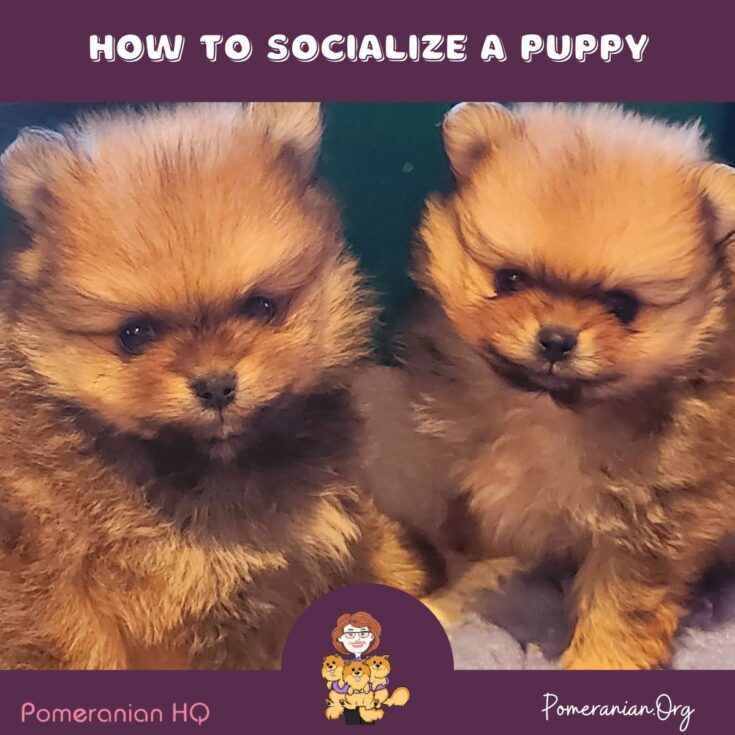
Introducing a puppy to other animals, including dogs and cats, is a crucial aspect of socialization. A positive experience during these interactions lays the foundation for a well-adjusted, confident, and friendly adult animal. Careful planning and implementation of these introductions are essential to prevent potential conflicts and ensure positive outcomes.
Safe and Controlled Introductions
Gradual introductions are paramount. Sudden encounters can be overwhelming and lead to negative associations. A controlled environment allows for monitoring and redirection if needed. This involves keeping the interactions short and sweet, initially, to minimize the risk of overstimulation or fear in the puppy. Supervising the interactions is crucial, allowing for immediate intervention if issues arise.
Maintaining a calm and positive demeanor is vital for both the puppy and the other animal, setting the stage for a positive experience.
Importance of Gradual Introductions and Monitoring
Gradual introductions are essential for building trust and minimizing fear or aggression. Begin with visual and olfactory introductions, allowing the animals to get acquainted without physical contact. This phase can be extended by allowing controlled sniffing and observing their reactions. Close monitoring of body language is critical. If signs of fear, aggression, or discomfort are observed, the introduction should be stopped immediately and restarted at a later time.
Adjusting the timing and duration of the interactions based on the animals’ reactions is crucial.
Understanding Canine Body Language and Signals
Recognizing and interpreting canine body language is paramount to successful introductions. A relaxed posture, wagging tail, and soft eyes indicate a positive interaction. Conversely, stiff posture, tucked tail, snarling, or growling indicate potential issues and necessitate immediate intervention. Similar cues apply to other animals, such as cats. A relaxed, non-threatening posture in the observer is also crucial.
Common Challenges and Potential Conflicts
Common conflicts during animal introductions include resource guarding, fear aggression, and play aggression. Resource guarding, where one animal is possessive of a resource (food, toys, or space), is a common issue. Fear aggression can manifest as a reaction to perceived threats. Play aggression, although sometimes normal in puppies, can escalate if not managed appropriately. Recognizing these behaviors allows for timely intervention and appropriate management.
Strategies for Preventing Aggression and Ensuring Positive Interactions
Strategies for managing these issues include desensitization and counter-conditioning, providing distractions to shift attention, and positive reinforcement to reward appropriate behavior. Using treats and praise can reinforce positive interactions, associating positive experiences with the presence of the other animal. It is crucial to consult a veterinarian or a certified dog trainer for personalized guidance. Consistent and positive reinforcement is key to building a lasting bond.
Examples of Appropriate and Inappropriate Interactions
Appropriate interactions involve mutual sniffing, gentle play, and relaxed body language. Inappropriate interactions include growling, snarling, biting, and displays of fear or aggression. If either animal shows signs of discomfort or aggression, the introduction should be immediately terminated.
Animal Introductions Table
| Animal Type | Introduction Steps | Potential Conflicts |
|---|---|---|
| Dogs | Start with visual and olfactory cues, followed by controlled sniffing and supervised interactions. | Resource guarding, play aggression, fear aggression, territorial disputes. |
| Cats | Introduce in a neutral environment, supervise closely, allow for scent exploration initially. | Fear aggression, territorial disputes, resource guarding, potential for injury. |
| Other animals | Start with a controlled introduction, ensuring a safe environment and monitoring reactions closely. | Fear aggression, territorial disputes, resource guarding, species-specific conflicts. |
Step 4: Introducing Puppies to Different Environments
Puppy socialization extends beyond people and animals; it encompasses diverse environments. Exposing puppies to a variety of settings is crucial for developing their adaptability and resilience. This step focuses on gradually introducing puppies to new places, sounds, and sights, ensuring positive associations and reducing anxieties.
Controlling the Puppy’s Environment for Positive Experiences
A key aspect of successful environmental socialization is meticulous control of the puppy’s surroundings. Positive experiences in new environments are vital for building confidence. This involves carefully selecting environments and managing the puppy’s exposure to avoid overwhelming or frightening situations. It’s about creating a sense of safety and familiarity in novel settings, ensuring the puppy associates new environments with positive outcomes.
Acclimating Puppies to Different Noises and Sights
Puppies are often sensitive to unfamiliar noises and sights. Systematic exposure to different sounds and visual stimuli is essential for building their tolerance and reducing fear responses. This can involve gradual introduction to sounds like construction, traffic, or loud music, and sights like crowds, moving vehicles, or other animals. Consistent, gradual exposure allows the puppy to adapt and build coping mechanisms.
For example, if a puppy is afraid of a vacuum cleaner, starting with the vacuum running in a separate room and gradually moving closer while rewarding calm behavior can help.
Handling Potential Anxieties and Fears
Recognizing and addressing anxieties and fears is paramount. Signs of fear or discomfort, such as panting, whining, or hiding, should be acknowledged and addressed. It’s crucial to provide a safe haven or retreat where the puppy can seek comfort during exposure. Removing the puppy from a potentially overwhelming situation and rewarding calm behavior are effective strategies for managing anxiety.
Patience and understanding are essential; rushing the process can exacerbate the issue.
Specific Examples of Environments and Introduction Methods
Successful environmental exposure involves careful planning and gradual introduction. Start with familiar, low-stress environments, then progress to more challenging ones. For instance, a trip to a quiet park with familiar scents and sights can be a good initial experience. Slowly introduce the puppy to a pet store, a bustling marketplace, or a crowded park by ensuring the puppy has a secure leash and familiar comfort items.
Importance of Consistency and Repetition
Consistency and repetition are vital for long-term socialization. Regular, controlled exposure to various environments strengthens the puppy’s ability to adapt. Consistent exposure to specific environments helps the puppy develop a positive association with these environments. The more the puppy is exposed, the more confident and resilient they become.
Environmental Exposure Table
| Environment | Exposure Steps | Potential Concerns |
|---|---|---|
| Quiet Park | Short, supervised visits, familiar scents and sights, positive reinforcement for calm behavior. | Overexcitement, fear of unfamiliar sights. |
| Pet Store | Initial visit in a less crowded section, gradually increasing exposure to different sights and sounds, ensuring a comfortable space for the puppy. | Overwhelming sensory input, fear of other animals or strangers. |
| Busy Street/Marketplace | Initial exposure to a distance, gradually increasing proximity, positive reinforcement for calmness. | Noise, traffic, and crowds can be overwhelming. |
Step 5: Maintaining Positive Socialization Habits
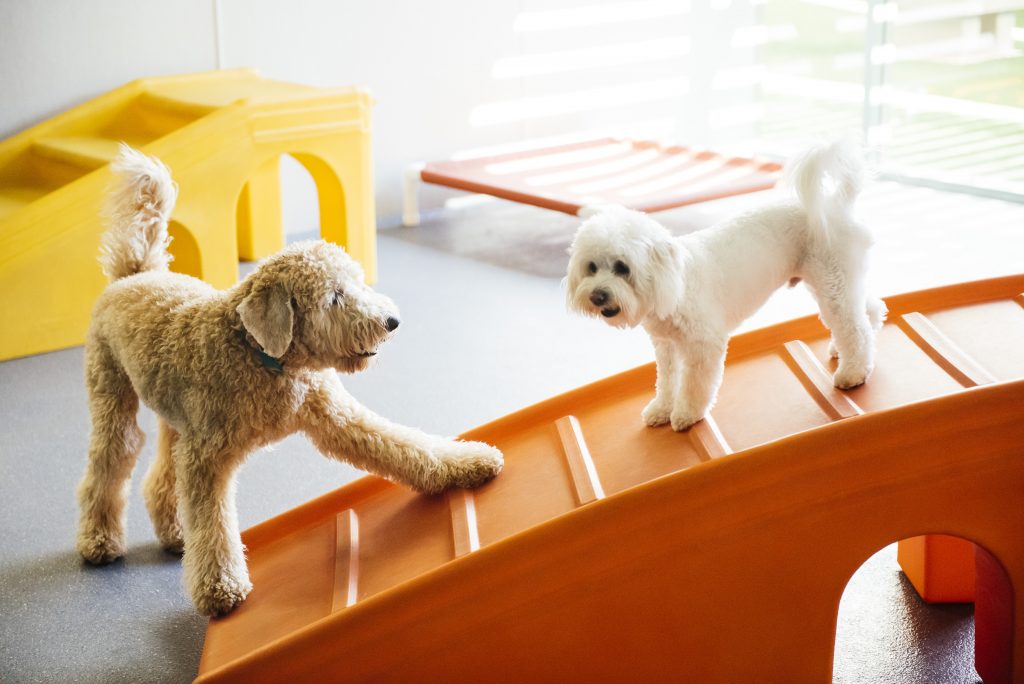
Puppy socialization is not a one-time event; it’s an ongoing process that continues throughout a puppy’s life. A well-socialized puppy will develop into a confident and well-adjusted adult dog. Consistent and positive socialization is vital for preventing behavioral problems and fostering a strong bond between you and your canine companion.Continued exposure to various sights, sounds, people, and animals helps solidify the positive associations formed during the initial socialization period.
This proactive approach ensures your puppy maintains a well-rounded social repertoire, reducing the likelihood of fear or aggression in the future.
Importance of Continued Socialization
Continued socialization is crucial for a puppy’s development and overall well-being. It’s not just about preventing problems; it’s about enriching the puppy’s life experience and ensuring a harmonious coexistence with the world around them. This proactive approach to socialization builds confidence and resilience, which are essential for a happy and healthy adult dog. Continued exposure to new situations and people helps them adapt to different environments and maintain a balanced emotional state.
Ongoing Socialization Activities
Regular exposure to new experiences is key to maintaining positive socialization habits. This encompasses a variety of activities that introduce your puppy to a wider range of stimuli, ensuring they remain adaptable and well-adjusted. These include visiting new parks, attending dog parks (with appropriate supervision), interacting with diverse individuals, and introducing them to various types of animals.
- Dog Parks (with supervision): Controlled environments like dog parks, under your watchful eye, offer opportunities for supervised interactions with other dogs. Ensure the dogs at the park are well-behaved and the environment is safe for your puppy. This is an opportunity for them to learn appropriate canine etiquette and communication.
- Diverse People Encounters: Exposing your puppy to various individuals – children, adults, people of different ages and ethnicities – helps them develop a positive association with humans. This promotes adaptability and prevents fear or anxiety around people. Introduce them slowly and calmly, allowing your puppy to approach at their own pace.
- New Environments: Regular visits to different locations – stores, parks, or even just a new neighborhood – help your puppy adapt to diverse settings. This adaptability is essential for maintaining a calm and well-adjusted personality. Introduce your puppy to new sights and sounds gradually and safely.
- Controlled Interactions with Animals: Maintain positive interactions with other animals (cats, small dogs, etc.), by introducing them gradually and under supervision. This helps to prevent fear or aggression when encountering unfamiliar animals in the future.
Positive Reinforcement in Maintaining Habits
Positive reinforcement plays a pivotal role in maintaining positive socialization habits. Rewards, like treats, praise, or toys, reinforce desired behaviors, creating a positive association with new experiences. This approach fosters a positive learning environment for your puppy. Always reward calm and confident interactions, rather than anxious or fearful ones.
Handling Regression or Setbacks
Regression or setbacks in socialization are inevitable. If your puppy displays signs of anxiety or fear in a particular situation, it’s crucial to address the issue immediately and patiently. Do not force the interaction. Instead, gradually reintroduce the stimulus in a controlled manner, rewarding any positive responses.
Recognizing and Addressing Potential Behavioral Problems
Behavioral problems can stem from poor socialization. These problems might manifest as fear, aggression, or anxiety. Understanding the underlying cause of the problem is crucial for developing an effective solution. If your puppy exhibits signs of fear or aggression, consult a veterinary behaviorist. They can assess the situation and recommend appropriate solutions.
Identifying the trigger and addressing the fear is key to solving the problem.
Examples of Maintaining Positive Social Habits
Maintaining consistent and positive socialization habits involves introducing your puppy to a variety of stimuli. These stimuli could be new environments, like visiting a different park, or encountering new people, like attending a dog-friendly café. It is important to keep in mind the dog’s comfort level and reaction to the new situation. This is essential for building a positive and confident personality.
Ongoing Activities for Positive Socialization
- Puppy classes: Puppy classes provide a structured environment for socialization with other puppies and handlers.
- Dog-walking groups: Dog-walking groups offer opportunities to meet new dogs in a controlled setting.
- Visits to dog-friendly businesses: Regular visits to dog-friendly businesses can introduce your puppy to a wider range of people and environments.
- Regular walks in different neighborhoods: Regular walks in different neighborhoods allow your puppy to encounter new sights and sounds.
Final Conclusion
In conclusion, consistent and positive socialization is essential for your puppy’s future. By following these five steps, you’ll equip your furry friend with the skills to navigate the world with confidence and grace. Remember that patience, consistency, and a positive attitude are key throughout the process. This guide provides a practical framework for success, ensuring your puppy blossoms into a well-adjusted and happy dog.