Introducing a dog to a leash can be a transformative experience, bridging the gap between a dog’s natural instincts and the responsibilities of responsible ownership. This guide provides a comprehensive approach, from initial introduction to advanced techniques, ensuring a smooth and positive transition for both you and your furry friend.
The process involves careful planning, consistent application of positive reinforcement, and a deep understanding of canine behavior. By following the steps Artikeld in this guide, you can create a positive and enriching experience for your dog, transforming leash walks from a source of stress to a shared joy.
Initial Introduction and Conditioning
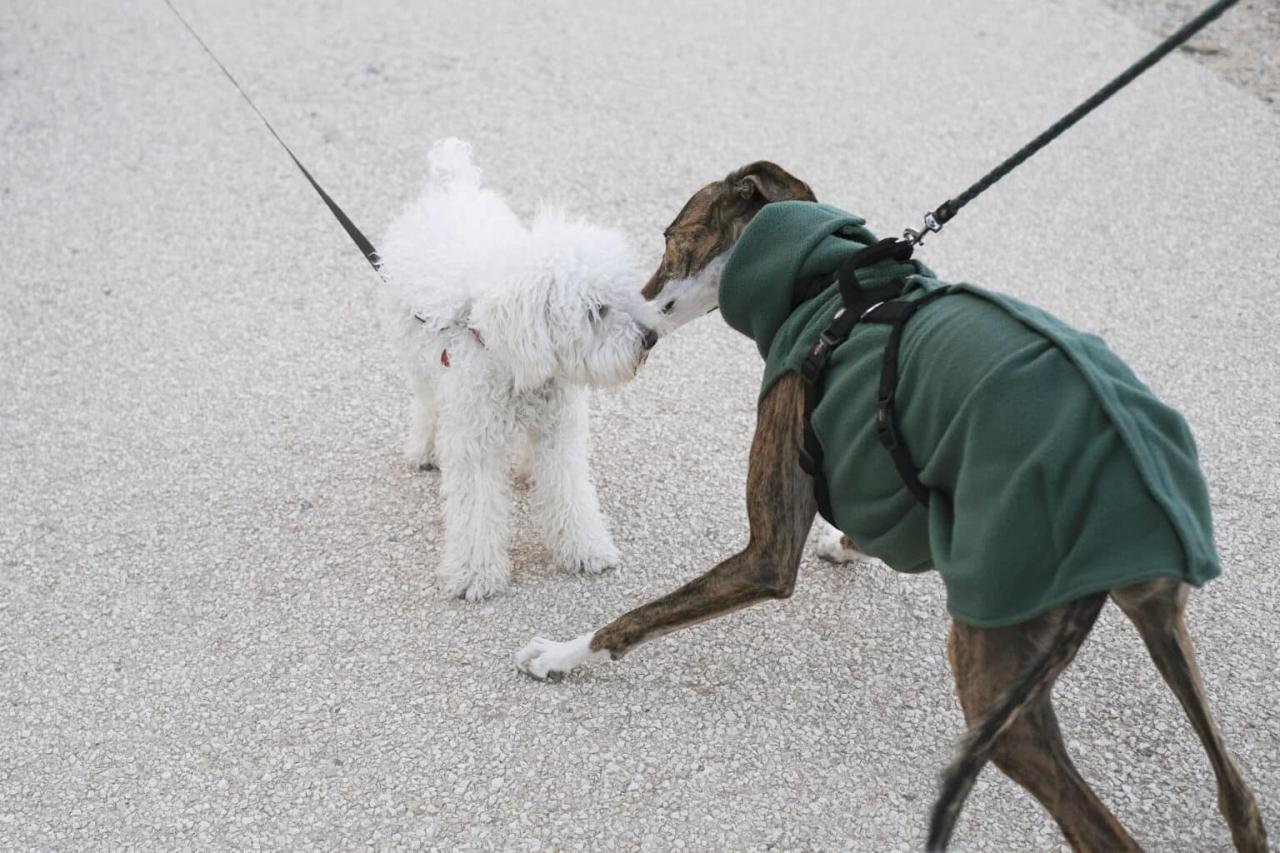
Introducing a dog to a leash for the first time is a crucial step in training and ensuring a positive experience. This process should be approached with patience, understanding, and a focus on positive reinforcement. A well-executed introduction lays the groundwork for future leash walking and obedience.A successful introduction fosters a positive association with the leash, preventing fear or anxiety, and ultimately making walks enjoyable for both you and your canine companion.
This section will Artikel a structured approach, highlighting key considerations and best practices for a smooth transition.
Step-by-Step Introduction Procedure
This procedure Artikels a gradual approach, building positive associations with the leash. Avoid rushing the process; patience is key.
- Initial Exposure: Begin by simply placing the leash around your dog’s neck or harness. Ensure the leash is loose and comfortable. Allow the dog to sniff, explore, and investigate the leash without any pressure or force. Reward calm and inquisitive behaviors with treats, praise, and petting.
- Positive Reinforcement: Use positive reinforcement techniques consistently throughout the process. Praise and reward calm behaviors and reactions. Avoid punishment or corrections, as these can create fear and aversion to the leash.
- Gradual Leash Exposure: Gradually increase the duration of time your dog wears the leash. Start with short periods, such as a few minutes, and gradually increase the duration as your dog becomes more comfortable. Maintain a calm and relaxed atmosphere.
- Controlled Movement: After your dog is comfortable with the leash, begin short, controlled movements. Walk around the house or yard with the leash, keeping the movement slow and gentle. Avoid pulling or tugging on the leash. Reward any calm and relaxed responses.
- Introduction to Outdoor Environment: Once your dog is comfortable with the leash indoors, start introducing them to the outdoor environment. Begin with familiar, calm surroundings, and gradually introduce new areas and stimuli. Continue using positive reinforcement.
Importance of Positive Reinforcement
Positive reinforcement is fundamental in shaping a dog’s response to the leash. By associating the leash with positive experiences, you foster a sense of comfort and security, rather than fear or anxiety.
- Rewarding Desirable Behaviors: Focus on rewarding calm, relaxed behavior. Use treats, praise, and petting to reinforce positive reactions to the leash.
- Avoiding Punishment: Punishment can create fear and aversion to the leash. Avoid any form of punishment, even if it seems minor.
- Building Trust: Positive reinforcement builds trust and a positive association with the leash. This fosters a cooperative and enjoyable experience for both you and your dog.
Gradual Leash Exposure Plan
A gradual introduction minimizes stress and maximizes comfort for your dog.
- Short Periods: Begin with short periods of leash wearing, gradually increasing the duration as your dog demonstrates comfort.
- Familiar Environments: Start in familiar environments before introducing new ones.
- Controlled Pace: Maintain a calm and controlled pace, avoiding any sudden movements or pulling on the leash.
- Observe and Adjust: Pay close attention to your dog’s body language. If your dog shows signs of stress or discomfort, reduce the duration of exposure or the intensity of the activity.
Common Mistakes to Avoid
These mistakes can hinder the introduction process and create negative associations with the leash.
- Pulling on the Leash: Pulling on the leash can create fear and anxiety in your dog.
- Sudden Movements: Avoid sudden movements with the leash; maintain a controlled and gentle pace.
- Punishment for Leash-Related Behaviors: Avoid punishing your dog for any leash-related behaviors; focus on positive reinforcement.
- Ignoring Stress Signals: Pay attention to your dog’s body language. If your dog shows signs of stress, adjust the introduction process.
Leash Type Comparison
Choosing the right leash can enhance the introduction process.
| Leash Type | Pros | Cons |
|---|---|---|
| Slip Leash | Effective for training, adjustable length | Can be uncomfortable for dogs if not properly fitted, potential for choking |
| Harness Leash | Distributes pressure across the chest, less likely to choke or cause discomfort | May not be as effective for training, may require proper fitting |
| Flat Collar Leash | Simple, relatively inexpensive | Can cause discomfort if not properly fitted, less effective for training |
Building Positive Associations
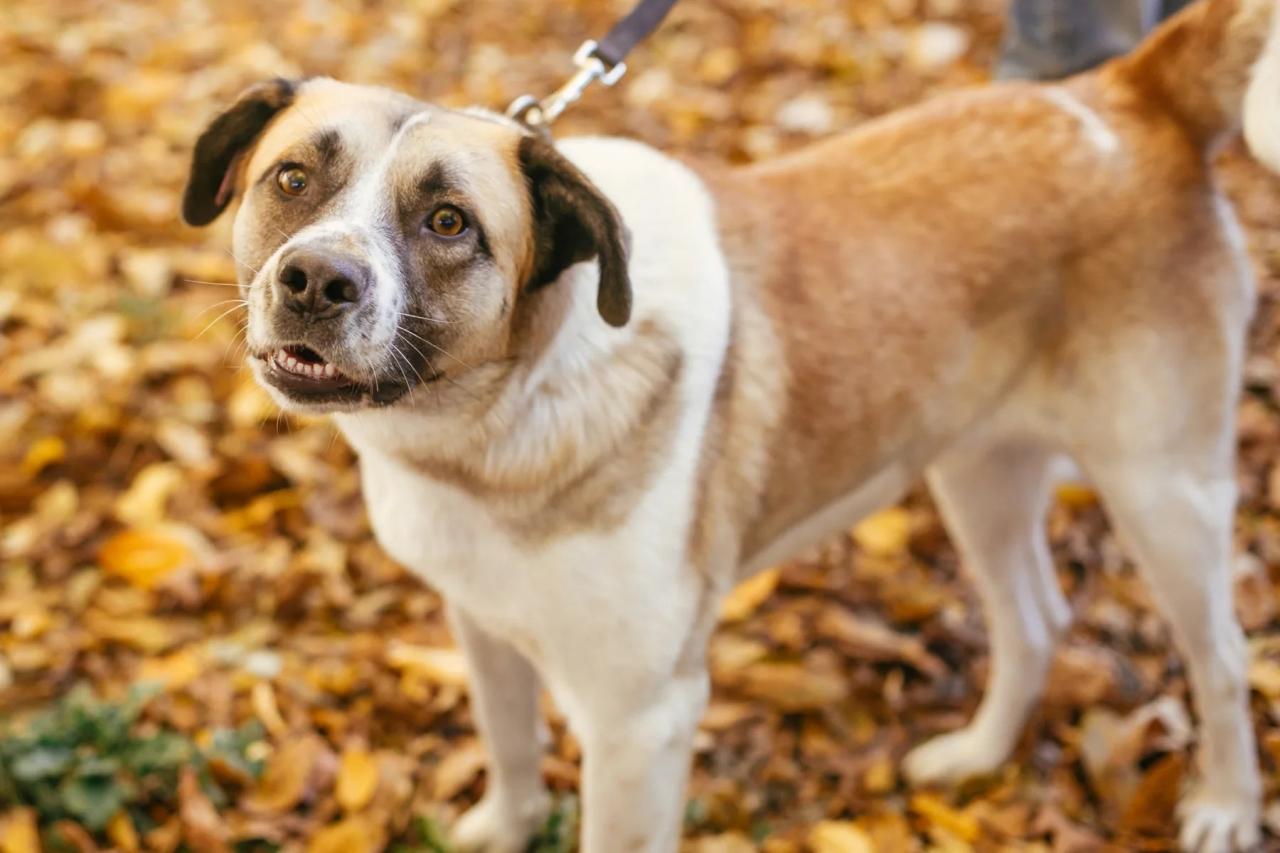
Successfully introducing a dog to a leash requires more than just physical attachment. Crucially, it involves cultivating positive associations, making the experience enjoyable and reinforcing good behavior. This process forms the foundation for a happy and well-adjusted dog who willingly participates in leash walks.Building a positive association with the leash is paramount to a successful leash training regimen.
By associating the leash with enjoyable experiences, dogs are more likely to view walks as a rewarding activity rather than a chore. This positive reinforcement approach, combined with consistent training, ensures a smoother transition to leash walking.
Strategies for a Positive Leash Experience
Positive reinforcement techniques are essential in creating a positive leash experience for dogs. These methods focus on rewarding desired behaviors, which strengthens the likelihood of those behaviors being repeated. Treats, praise, and play are powerful tools that can be used strategically to shape desirable responses to the leash.
The Role of Treats and Praise
Treats and praise play a crucial role in reinforcing good behavior during leash walks. A well-timed treat delivered immediately after a desired behavior, like walking calmly beside you, strengthens the connection between the action and the reward. Praise, whether verbal or physical, reinforces the positive association and further motivates the dog to repeat the desired behavior.
High-Value Rewards
High-value rewards are particularly effective in shaping desired behaviors. These are treats or activities the dog finds highly appealing, such as a favorite toy or a short play session. Using high-value rewards strategically makes the training process more engaging and motivates the dog to focus on the desired behaviors. For example, if a dog is highly motivated by a particular type of food, using that food as a reward will likely be more effective than a less-appealing treat.
Rewarding Appropriate Leash Behavior
Rewarding appropriate leash behavior involves consistent observation and immediate reinforcement. Look for signs of calm walking, such as a relaxed posture and a willingness to walk at your side. Praise and reward the dog immediately upon observing this behavior. This positive reinforcement builds a strong association between the desired behavior and the reward. Avoid rewarding behaviors you don’t want, such as pulling or lunging.
Table of Reward Methods
| Reward Method | Description | Effectiveness |
|---|---|---|
| Treats | Delivering a small, tasty treat immediately after the desired behavior. | High. Effective for a wide range of dogs. |
| Praise | Verbal praise (e.g., “good boy!”) or physical affection (e.g., petting). | Moderate to High. Enhances the positive association and motivates dogs. |
| High-Value Rewards | Utilizing highly motivating items (e.g., favorite toys, short play sessions) as rewards. | High. Especially effective for dogs who are easily distracted or require extra motivation. |
| Play | Engaging in a short play session immediately after a desired behavior. | High. Encourages participation and creates a positive association with leash walks. |
Handling Common Challenges
Introducing a dog to a leash can be a rewarding experience, but it’s important to be prepared for potential challenges. Understanding common issues and having strategies to address them is crucial for a positive and successful training journey. These difficulties often arise from a dog’s natural instincts and the need for proper guidance and management.Successfully navigating these challenges relies on consistent, positive reinforcement techniques and a thorough understanding of canine behavior.
By recognizing and addressing these issues promptly, you can create a stronger bond with your dog and ensure a safe and enjoyable experience for both of you.
Pulling
Pulling on the leash is a common problem, often stemming from a dog’s excitement or lack of understanding about leash etiquette. A dog that pulls might be reacting to environmental stimuli or simply hasn’t been taught proper leash manners. Addressing this requires consistent and patient training. Avoid yanking or pulling back on the leash, as this can create fear or confusion.
Lunging
Lunging, a reactive behavior, often involves a dog exhibiting an aggressive or fearful response to certain stimuli, such as other dogs, people, or objects. These responses can be triggered by a combination of factors, including past negative experiences, genetic predisposition, or even a lack of proper socialization.
Anxiety
Leash anxiety can manifest in various ways, including excessive panting, whining, or trembling. This anxiety may stem from a fear of being restrained, a lack of familiarity with the environment, or even the feeling of being separated from their familiar surroundings. Recognizing the specific trigger is crucial for effective management.
Desensitization to Distractions
To address pulling, lunging, and anxiety, systematic desensitization is essential. Gradually expose your dog to increasing levels of distractions while on leash, starting with mild stimuli and progressing to more intense ones. This process should always be done in a controlled environment, ensuring the dog feels safe and secure.
Leash Reactivity
Leash reactivity often involves a dog exhibiting unwanted behaviors such as barking, lunging, or growling at other dogs or people while on leash. Understanding the triggers and employing appropriate counter-conditioning techniques is key. These behaviors are often rooted in fear or lack of proper socialization.
Redirecting Unwanted Behaviors
When your dog exhibits unwanted behaviors, such as pulling or lunging, a redirection technique can be helpful. Quickly and calmly redirect the dog’s attention to a more desirable activity, such as a favorite toy or a treat. This helps to break the negative cycle and reinforce positive behaviors.
Table of Common Leash Training Problems and Solutions
| Problem | Description | Solution |
|---|---|---|
| Pulling | Dog pulls on leash due to excitement or lack of training. | Use a front-clip harness, reward calm walking, and correct pulling immediately with a verbal cue and a stop. |
| Lunging | Dog lunges at stimuli on leash. | Identify the trigger, desensitize the dog gradually to it, and reward calm responses. |
| Anxiety | Dog shows signs of anxiety on leash. | Keep walks short initially, ensure the dog feels safe, and use positive reinforcement for calm behavior. |
| Reactivity | Dog reacts aggressively or fearfully to other dogs or people. | Consult a veterinarian or certified dog trainer to assess and manage reactivity. |
Maintaining Consistency and Patience
Introducing a dog to a leash requires a patient and consistent approach. Inconsistency can confuse the dog, hindering their learning and potentially leading to frustration for both the dog and the owner. Maintaining a consistent routine and displaying unwavering patience are crucial for a positive and successful training experience.Consistent training routines provide a predictable structure for the dog, fostering trust and understanding.
This predictability allows the dog to anticipate expectations and respond more effectively. Conversely, inconsistent routines can lead to confusion and anxiety, making learning more challenging.
Importance of Consistent Training Routines
Consistent training routines establish clear expectations for the dog. This predictability reduces stress and anxiety, allowing the dog to focus on learning. A consistent routine includes the same training times, locations, and methods. Varying these elements can confuse the dog, leading to a lack of progress. For example, if one day you use a verbal cue and the next day a hand signal, the dog will struggle to understand the desired response.
This consistent approach will reinforce desired behaviours and prevent confusion.
Necessity of Patience and Understanding
Patience is essential during the training process. Learning to walk on a leash is a new skill for the dog, and it takes time and repetition. Owners must be prepared to handle occasional setbacks and adjust their approach as needed. Expecting immediate mastery is unrealistic and counterproductive. A positive and encouraging attitude from the owner is vital.
Understanding the dog’s perspective and adjusting training techniques based on their individual needs and learning style is essential.
Role of Owner Consistency
Owner consistency is paramount in the dog’s learning process. A consistent approach ensures the dog understands the expectations and responds appropriately. This consistency involves using the same verbal cues, hand signals, and physical corrections (if any) consistently. If the owner varies their commands or corrections, the dog may become confused and struggle to learn the desired behaviour.
For example, if the owner uses “heel” one day and “stay” the next day, the dog will be confused about the desired response. A consistent approach, regardless of mood or circumstances, fosters trust and understanding.
Gradual Progression in Training Difficulty
Gradual progression is crucial in introducing new skills and increasing the difficulty of training. Starting with easy tasks and gradually increasing the complexity ensures the dog understands each step before moving on. For example, begin by practicing leash handling in a familiar, low-distraction environment. Gradually increase the distractions, such as other dogs or people, to prepare the dog for real-world situations.
This step-by-step approach helps build confidence and avoid overwhelming the dog.
Tips for Maintaining Consistency and Motivation
Maintaining consistency and motivation requires a strategic approach. Positive reinforcement techniques, such as rewarding desired behaviours with treats, praise, or toys, are essential. Consistency in the training environment is also crucial.
- Establish a regular schedule: Consistent training sessions at the same time each day help the dog anticipate and prepare for learning.
- Use clear and concise commands: Using consistent and easily understood commands prevents confusion and ensures the dog understands the desired behaviour.
- Reward desired behaviour immediately: Immediate positive reinforcement strengthens the association between the desired behaviour and the reward.
- Use a consistent leash and collar: Avoid changing the equipment during training sessions to prevent confusion.
- Be patient and understanding: Expect setbacks and adjust the training approach as needed.
- Maintain a positive and encouraging attitude: Your enthusiasm is contagious and motivates the dog to learn.
- Break down complex tasks into smaller steps: Gradual progression in training difficulty helps prevent overwhelming the dog and allows for consistent reinforcement of each step.
Enrichment and Exercise
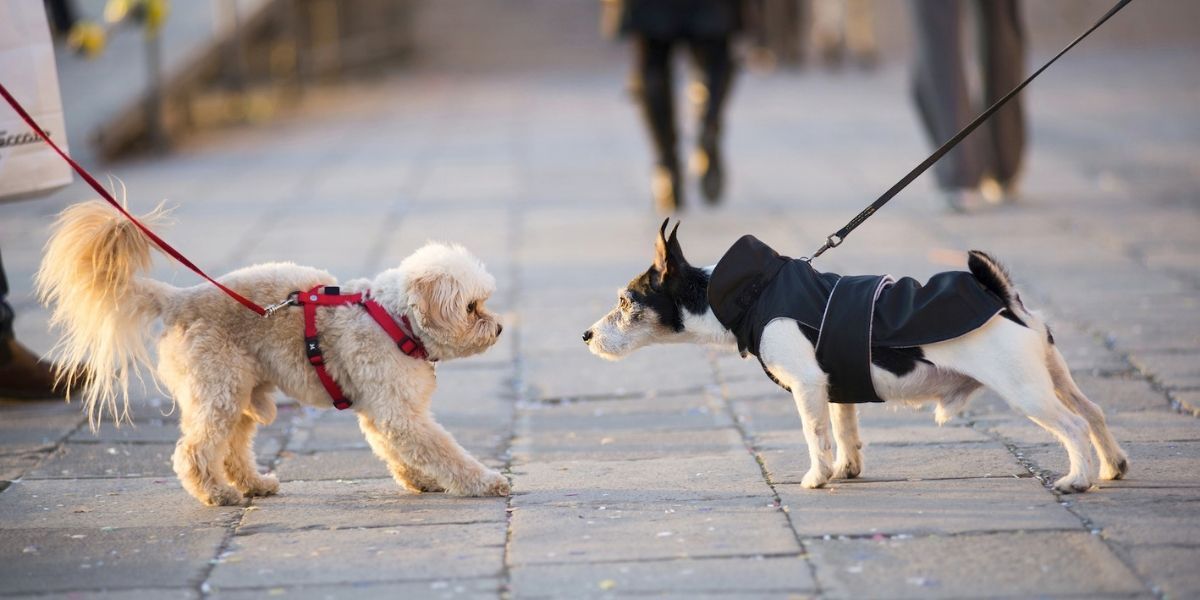
Introducing leash walking into your dog’s daily routine should be more than just a chore; it should be a rewarding experience for both you and your furry friend. A well-structured approach, combining exercise with enriching activities, will prevent boredom and build a positive association with the leash. This section provides practical strategies for incorporating leash walking into your dog’s daily routine, ensuring a fun and stimulating experience.
Incorporating Leash Walking into a Daily Exercise Routine
A consistent exercise routine is crucial for a dog’s physical and mental well-being. Leash walking should be part of this routine, but not the sole component. Varying the intensity and duration of walks, and incorporating other forms of exercise, will ensure a balanced approach. This prevents monotony and keeps your dog engaged.
Making Leash Walking Enjoyable
To make leash walking enjoyable, focus on positive reinforcement and avoid punishment. Praise your dog enthusiastically for good leash manners, and reward them with treats or praise after completing a walk. This positive reinforcement will help your dog associate leash walks with pleasant experiences. Always maintain a relaxed and happy demeanor during walks. Your dog will mirror your energy levels.
Introducing Variations in Walks
Varying the routes and locations of your walks will keep your dog engaged and prevent boredom. Explore new parks, trails, or even different areas in your neighborhood. Include short stops for sniffing and exploring. Consider incorporating different terrains, such as grass, dirt, and paved surfaces. These variations add excitement and novelty to the walks.
Enriching the Dog’s Environment During Walks
Enrichment during walks involves stimulating your dog’s senses. Bring a few favorite toys to engage your dog during walks. Allow your dog to sniff and explore new scents along the way. If your dog enjoys retrieving, bring a favorite ball or frisbee. These elements make walks more interactive and enriching.
Avoid rushing your dog, and allow ample time for exploration and interaction.
Preventing Boredom During Leash Walks
Boredom can lead to destructive behaviors. To prevent this, incorporate interactive games during walks. Play “find it” games, where you hide treats or toys for your dog to discover. Consider using puzzle toys that dispense treats during walks. This keeps your dog mentally engaged and prevents restlessness.
This will help keep your dog from becoming bored or restless during walks.
Troubleshooting and Advanced Techniques
Successfully introducing a dog to a leash requires understanding potential challenges and possessing advanced techniques to address them. Addressing setbacks early and employing tailored strategies for individual dogs and breeds are crucial for a positive experience. This section delves into common training pitfalls and advanced methods, emphasizing the importance of professional guidance when necessary.Understanding the root causes of leash-related issues is key to effective solutions.
A dog’s behavior, whether reactive or fearful, often stems from underlying anxieties or lack of understanding. By pinpointing the cause, you can implement appropriate strategies to address the issue at its core, leading to more effective and sustainable results.
Common Leash Training Setbacks and Solutions
Addressing potential challenges head-on is essential for a smooth transition. Common issues include pulling, lunging, or excessive anxiety during walks. By understanding the reasons behind these behaviors, you can develop targeted solutions.
| Challenge | Description | Advanced Solution |
|---|---|---|
| Pulling | The dog pulls on the leash, often leading to difficulty controlling the walk. | Employ a front-clip harness, reward-based training focusing on loose-leash walking, and redirecting attention away from the pull. |
| Lunging | The dog lunges at distractions, making walks challenging and potentially dangerous. | Identify the triggers, use counter-conditioning techniques to desensitize the dog to the triggers, and reward calm behavior around the triggers. Consider a head halter, used with extreme caution and professional guidance. |
| Fearfulness/Anxiety | The dog displays fear or anxiety on the leash, potentially exhibiting avoidance behaviors or excessive panting. | Gradually introduce the dog to different environments and stimuli. Start with calm, controlled exposure, reward relaxed responses, and consider using desensitization and counter-conditioning techniques. Professional consultation is highly recommended. |
| Reactivity | The dog reacts aggressively or defensively to other dogs or people while on the leash. | Consult a certified professional dog trainer or veterinary behaviorist. They can assess the specific trigger and help develop a customized desensitization and counter-conditioning plan. |
Advanced Leash Training Techniques
Beyond basic techniques, more sophisticated methods can address complex issues.
- Counter-conditioning: This method involves associating a previously negative stimulus (e.g., a loud noise) with a positive one (e.g., a treat). Repeated pairings help modify the dog’s response to the stimulus.
- Desensitization: Gradually exposing the dog to progressively more intense stimuli, such as a passing bicycle or another dog, while reinforcing calm responses. This builds tolerance and reduces fear responses.
- Harness Training: Utilizing harnesses can enhance control over the dog’s movement, particularly for dogs prone to pulling.
Leash Training for Specific Needs and Breeds
Certain breeds or dogs with specific needs require tailored approaches.
- High-Energy Breeds: High-energy breeds benefit from increased exercise and mental stimulation during leash walks, which helps prevent pulling and maintain focus. This might include incorporating agility exercises or using interactive toys during walks.
- Reactive Dogs: Dogs exhibiting reactivity require specialized training, focusing on desensitization and counter-conditioning to reduce fear and anxiety triggers. Professional consultation is highly recommended.
- Senior Dogs: Senior dogs may require adjustments to the pace and duration of walks due to physical limitations. Consulting a veterinarian is important to ensure the dog’s well-being during exercise.
Seeking Professional Help
If challenges persist despite your efforts, seeking professional guidance is highly recommended. A certified professional dog trainer or veterinary behaviorist can assess the specific needs of your dog and provide tailored solutions.
Environmental Considerations
Successfully introducing a dog to a leash involves adapting your training to various environments and weather conditions. This adaptability ensures a positive and safe experience for both you and your canine companion. Understanding how to navigate different locations and prepare for varying weather conditions is crucial for building a strong bond and maintaining a consistent training routine.
Adapting Training to Different Environments
Different environments present unique challenges and opportunities. Successfully transitioning your dog from familiar surroundings to new locations requires careful consideration. Parks, busy streets, and even quiet residential areas all demand different approaches. Recognizing these nuances allows for a more effective and enjoyable training experience.
- Parks: Parks often offer distractions, from other dogs and people to interesting scents. Train your dog to focus on you, rewarding them for ignoring distractions. Practice recall in less crowded areas before venturing into high-traffic parks. Ensure your dog understands the boundaries of the park and how to behave appropriately in these public spaces. This can be done by practicing leash manners in a controlled environment before going to the park.
- Busy Streets: Busy streets demand extra caution and preparation. Start by practicing leash manners in less distracting areas. Use high-value treats to reward your dog for walking calmly and attentively. Utilize verbal cues and body language to maintain control and prevent potential accidents.
- Residential Areas: While residential areas might seem less challenging, potential distractions like mail carriers, children, or other animals are still present. Start with familiar walks in residential areas, gradually introducing more complex environments. Use consistent commands and positive reinforcement to encourage calm and respectful behavior in these areas. For example, focus on keeping your dog focused on you and rewarding them when they stay near your side.
Preparing for Varying Weather Conditions
Weather plays a significant role in leash walking. Understanding how to prepare your dog for various temperatures and conditions is essential for their safety and comfort.
- Hot Weather: Limit walks to cooler parts of the day. Bring water and ensure your dog has access to shade. Be mindful of heatstroke symptoms and take breaks as needed. Never leave your dog unattended in a parked car, even for a short time.
- Cold Weather: Dress your dog in appropriate clothing, especially for extended walks. Monitor your dog’s paws for signs of frostbite or ice buildup. Keep walks shorter and adjust the pace according to the temperature.
- Rain or Snow: Consider waterproof gear for your dog. Ensure your dog’s comfort and safety by choosing a suitable location that is not too slippery or muddy. Reduce the intensity and duration of walks during heavy precipitation.
Making Leash Walks Enjoyable in Different Locations
Making leash walks enjoyable is key to maintaining a positive association. Variety and engagement are crucial.
- Using Different Routes: Varying the route can help keep your dog engaged and prevent boredom. Introduce new smells and sights while maintaining a safe and controlled environment.
- Enrichment Activities: Incorporate enrichment activities, such as sniffing games or finding treats, into your walks. This helps maintain your dog’s interest and prevent boredom.
- Positive Reinforcement: Reward your dog for calm and appropriate behavior. This reinforces the idea that walking on a leash is a positive experience.
Safety Precautions
Safety is paramount during leash walks. Following these precautions minimizes risks.
- Leash Safety: Ensure the leash is securely fastened and of appropriate length for the environment.
- Visibility: Dress your dog in reflective gear or use a brightly colored leash in low-light conditions.
- Environmental Awareness: Be mindful of potential hazards, such as potholes, debris, or other dogs.
- Dog’s Well-being: Monitor your dog’s behavior and take breaks when needed.
Table of Walking Environments and Recommended Strategies
| Environment | Considerations | Strategies |
|---|---|---|
| Parks | Distractions, other dogs, people | Focus on recall, reward ignoring distractions, maintain leash control |
| Busy Streets | High distractions, potential hazards | Practice leash manners in less distracting areas, use high-value treats, maintain control |
| Residential Areas | Distractions, mail carriers, other animals | Start with familiar routes, use consistent commands, reward calm behavior |
| Hot Weather | Heatstroke risk | Limit walks to cooler parts of the day, bring water, monitor for symptoms |
| Cold Weather | Frostbite risk | Dress your dog appropriately, monitor paws, shorten walks |
| Rain/Snow | Slippery surfaces, potential hazards | Use waterproof gear, choose appropriate locations, reduce walk duration |
Closing Summary
In conclusion, mastering the art of introducing a dog to a leash is a journey of patience, consistency, and understanding. By incorporating positive reinforcement, addressing potential challenges proactively, and tailoring the experience to your dog’s individual needs, you can cultivate a positive association with leash walks. Remember, a well-trained dog on a leash is a happy dog, and a happy dog is a testament to your dedication and commitment to responsible pet ownership.