Teaching your dog a high five is a rewarding experience, demonstrating a strong bond and showcasing your dog’s intelligence. This comprehensive guide will provide a detailed, step-by-step approach, from understanding canine behavior to mastering the skill. It will delve into crucial aspects such as positive reinforcement techniques, essential equipment, and strategies for handling potential challenges.
By understanding the motivations and communication styles of dogs, we can effectively tailor training methods to achieve successful results. This guide emphasizes positive reinforcement as the cornerstone of effective training, emphasizing consistency and adaptability. It will equip you with the knowledge and tools necessary to confidently guide your dog through the learning process.
Understanding Dog Behavior
A deep understanding of canine behavior is crucial for effective dog training. Knowing why dogs act the way they do, how they communicate, and how different breeds learn, empowers us to build a stronger bond and facilitate training sessions more efficiently. This section will explore these facets of canine comprehension.Dogs, like humans, exhibit a complex array of motivations.
These motivations often stem from instinctual drives, such as the need to explore, hunt, or socialize. Learned behaviors, acquired through experience and interaction with their environment and humans, are also significant. Recognizing these motivations is key to understanding and addressing specific behaviors.
Motivations Behind a Dog’s Actions
Dogs are driven by a variety of factors, including instinctual urges, learned associations, and emotional states. Understanding these motivations allows us to tailor training strategies effectively. For example, a dog’s desire for attention might manifest as excessive barking or jumping. Understanding the underlying motivation behind these behaviors can lead to more constructive responses.
Typical Ways Dogs Communicate
Dogs communicate through a variety of subtle cues. Body language, including posture, facial expressions, and tail wags, plays a significant role in conveying messages. Vocalizations, from a soft whimper to a sharp bark, further enhance their communication repertoire. Additionally, scent plays a vital part in their communication, with dogs using urine marking and scent trails to convey information.
Observing these communication methods enables trainers to understand their dogs’ needs and intentions more effectively.
Comparison of Different Dog Breeds’ Learning Styles
Different dog breeds exhibit varying learning styles. Some breeds, like Border Collies, are known for their intelligence and eagerness to please, which translates to quicker learning rates. Other breeds, like Basset Hounds, may require a more patient and consistent approach. Understanding breed-specific characteristics helps tailor training methods to maximize success. For instance, a high-energy breed might benefit from more active training sessions, while a more reserved breed might respond better to calmer methods.
Importance of Positive Reinforcement in Dog Training
Positive reinforcement is a cornerstone of effective dog training. This method focuses on rewarding desired behaviors rather than punishing undesired ones. Using positive reinforcement techniques creates a more positive and rewarding learning experience for the dog. This approach builds trust and strengthens the bond between dog and owner. Avoidance of punishment and reliance on rewarding desired behaviors helps maintain a constructive and cooperative learning environment.
Dog Body Language Cues Associated with Performing a High Five
| Body Language Cue | Description | Associated High-Five Behavior |
|---|---|---|
| Erect ears, forward gaze | Indicates attentiveness and interest | Likely to be receptive to the high-five command |
| Tail wagging (moderate to high) | Indicates happiness and excitement | Sign of a positive experience, potentially ready to perform the high five |
| Lowered head, gentle panting | Signs of relaxation and comfort | Indicates a relaxed state, not likely to respond to the high-five command |
| Lip licking, yawning | Indicates stress or discomfort | Likely not receptive to the high-five command, or needs a break |
| Whining or whimpering | Indicates anxiety or distress | Not likely to respond positively to the high-five command; requires a calming approach |
Training Methods for High Five

Teaching a dog the “high five” command is a rewarding experience for both the dog and owner. This process requires a clear understanding of canine behavior, consistent training methods, and patience. A well-executed training program fosters a strong bond between the animal and handler, enriching the relationship through shared activities.
Step-by-Step Procedure for Teaching High Five
This structured approach ensures a positive learning experience for your dog. Each step builds upon the previous one, reinforcing the desired behavior. Begin by associating a cue word with the desired action.
- Preparation: Ensure a quiet, distraction-free environment. Use a treat that your dog finds highly motivating. Start with a sit command if your dog is already familiar with it. If not, establish the sit command first.
- Introducing the Cue: Hold a treat near your dog’s paw and say “High Five!” As soon as their paw touches your hand, immediately reward them with the treat and praise. Repeat this several times, focusing on consistency.
- Gradually Increasing Difficulty: Once your dog consistently touches their paw to your hand, start to slightly raise your hand. Continue rewarding the contact, gradually increasing the elevation of your hand until their paw reaches your hand.
- Adding the Cue Word: Start using the cue “High Five!” only when your dog’s paw is raised. This links the command with the desired action.
- Introducing Distance: Gradually move further away from your dog while maintaining the “High Five!” cue. The goal is for your dog to understand that the command remains applicable even if you are not right next to them.
- Combining with Other Commands: Gradually incorporate the “High Five!” command with other commands, such as “sit” or “stay,” to increase the complexity and engagement.
- Reinforcement and Consistency: Maintain a positive reinforcement schedule to maintain motivation. Consistent practice is key to building a strong association between the command and the action.
Positive Reinforcement Techniques and Their Impact on Learning
Positive reinforcement methods are crucial for fostering a positive learning environment. These techniques focus on rewarding desired behaviors, strengthening the association between the action and the desired outcome.
| Technique | Description | Impact on Learning |
|---|---|---|
| Praise | Verbal encouragement, affection | Builds confidence, strengthens bond, motivates |
| Treats | High-value rewards | Provides immediate reinforcement, strengthens desired behavior |
| Toys | Playtime | Enhances engagement, keeps training fun, increases motivation |
| Games | Interactive activities | Makes learning enjoyable, encourages participation |
Examples of Rewarding Actions During Training
Effective rewards are crucial for shaping a dog’s behavior. The key is to select rewards that are highly motivating to your specific dog.
- High-Value Treats: Using treats your dog particularly enjoys will maximize the effectiveness of the reward.
- Praise and Affection: Positive reinforcement through verbal praise and physical affection creates a strong bond and reinforces the positive association with the action.
- Playtime: Engage in a game of fetch or tug-of-war after a successful “high five” to reinforce the positive behavior.
Importance of Consistency in Training
Consistency is paramount in training a dog. Irregularity can confuse the animal and hinder learning.
Consistency in training methods ensures a clear understanding of expectations and promotes predictability in the learning process.
It is crucial for maintaining a structured and predictable environment.
Adapting Training for Dogs with Different Temperaments
Adjusting training techniques based on a dog’s temperament is essential for success. A calm dog might require a more gradual approach, while an energetic dog might need more frequent rewards.
- High-Energy Dogs: These dogs might need more frequent rewards and high-energy games to maintain engagement.
- Shy or Anxious Dogs: Use a gentler approach, focusing on positive reinforcement and avoiding overwhelming situations.
- Dogs with Specific Needs: Consider any pre-existing conditions or special needs when adapting training techniques. Consult with a veterinarian or certified dog trainer for tailored guidance.
Essential Equipment and Materials
Successfully teaching a dog the high five command relies heavily on the right tools and incentives. Appropriate equipment and motivating rewards are crucial for positive reinforcement training, ensuring a smooth and enjoyable learning experience for both you and your canine companion. This section details the necessary tools and treats, highlighting the importance of high-value rewards and effective clicker use.
Essential Tools
Proper tools streamline the training process, creating a positive and focused environment. Essential tools for high-five training include:
- A clicker:
- High-value treats:
- A reward pouch or small container:
- A leash (optional):
A small, handheld device that emits a distinct sound, marking the exact moment a desired behavior occurs. This precise timing is critical for associating the behavior with the reward.
These are irresistible treats that your dog finds exceptionally appealing. They act as potent motivators, ensuring your dog is highly engaged in the training session. High-value treats are a critical element for reinforcing desired behaviors.
Having treats readily available in a container or pouch is convenient for quick rewards during training sessions.
A leash can help keep your dog close and focused, particularly during the initial stages of training.
Recommended Treats
Choosing the right treats significantly impacts your dog’s motivation and learning experience. High-value treats are crucial for reinforcing desired behaviors effectively.
- Small pieces of cooked meat (e.g., chicken, beef, or fish):
- Small pieces of cheese:
- Small pieces of jerky treats:
- Dog-specific biscuits or treats:
These are often highly motivating for dogs due to their inherent palatability.
Cheese is another popular and effective reward for dogs, especially if they have a strong preference for it.
Jerky treats are another common high-value reward, offering a combination of texture and taste that can be highly appealing.
Many commercially available dog treats are specifically formulated for training and can be very effective.
Significance of High-Value Rewards
High-value rewards are critical for effective training, as they motivate the dog to perform the desired behavior consistently.
“High-value rewards create a stronger association between the desired behavior and the reward, increasing the likelihood of the behavior being repeated.”
Using treats your dog finds irresistible maximizes their motivation to learn. This approach ensures a more positive and enjoyable learning experience.
Effective Clicker Use
Clicker training provides precise timing for reinforcing desired behaviors.
- Click the clicker at the exact moment your dog performs the desired behavior (e.g., raising a paw).
- Immediately follow the click with a high-value treat.
- Repeat this process consistently, reinforcing the desired behavior.
Reward Comparison Table
This table Artikels the advantages and disadvantages of different reward types for training.
| Reward Type | Pros | Cons |
|---|---|---|
| Small pieces of cooked meat | Highly motivating, often a favorite | Can be expensive, may not be suitable for all dogs |
| Small pieces of cheese | Often highly motivating | May not be suitable for dogs with dietary restrictions, can be messy |
| Small pieces of jerky treats | Often appealing to dogs, can be a good option | Can be high in fat, may not be suitable for dogs with dietary restrictions |
| Dog-specific biscuits | Convenient, often formulated for training | May not be as motivating as some other options |
Handling Challenges and Troubleshooting

Successfully teaching a dog the high-five command involves anticipating and addressing potential obstacles. Understanding common challenges and having strategies for overcoming them will lead to a more positive and effective training experience for both you and your canine companion. This section will Artikel common problems, provide solutions for distractions, and offer guidance for managing hesitant or fearful dogs, as well as maintaining motivation and preventing treat dependence.
Common Training Challenges
Successfully training a dog to perform a high-five involves anticipating and addressing potential obstacles. A thorough understanding of common issues, coupled with proactive strategies, is crucial for a positive and effective training experience. Recognizing and addressing these challenges will enhance the training process and strengthen the bond between you and your dog.
- Distraction Management: Dogs, like humans, can be easily sidetracked. Distractions such as other dogs, squirrels, or even the sound of a car can disrupt the training process. A consistent and structured training environment, using positive reinforcement and gradually increasing the complexity of the training sessions, is essential to mitigate distractions.
- Hesitancy and Fear: Some dogs may be hesitant or fearful during training. This may stem from past experiences or a lack of confidence. Building trust and creating a positive association with the training process is paramount. Using positive reinforcement techniques, short training sessions, and avoiding pressure or punishment are essential steps in this process.
- Treat Dependence: Dogs can become overly reliant on treats, potentially diminishing their intrinsic motivation to perform the desired behavior. Gradually reducing the frequency of treats and incorporating praise, petting, or toys as rewards can help maintain the dog’s enthusiasm for training.
- Misbehavior Management: Occasional misbehavior is a part of the learning process. Instead of punishment, focus on redirection and positive reinforcement for desired behaviors. Consistency in training, clear communication, and a calm demeanor are vital in addressing misbehavior.
Addressing Distractions
Successfully training a dog requires careful consideration of environmental factors. Training in a quiet, controlled environment, where distractions are minimal, is crucial. Gradually introducing controlled distractions and rewarding appropriate responses in the presence of distractions is an effective strategy.
- Controlled Environments: Begin training in a quiet, familiar environment to minimize distractions. Gradually introduce controlled distractions, such as a softly-moving toy or a softly-spoken command, and reward appropriate responses. This allows for a smooth transition to more challenging environments.
- Desensitization Techniques: Use gradual desensitization to acclimate your dog to distractions. For example, if a specific sound is a distraction, introduce it at a low volume and gradually increase it while maintaining positive reinforcement. This method allows the dog to associate the sound with positive experiences, reducing its impact on training.
- Positive Reinforcement for Focus: Reinforce focus and attention on you with treats or praise when the dog is responding correctly. Rewarding attentive behaviors before the introduction of a distraction will help the dog associate your presence with positive outcomes.
Managing Hesitant or Fearful Dogs
Patience and understanding are vital when working with hesitant or fearful dogs. Creating a positive association with training is crucial for building trust.
- Positive Reinforcement: Start with very short training sessions and reward any progress, even small ones, with praise, treats, and gentle petting. Avoid pushing the dog beyond its comfort zone.
- Desensitization and Counter-Conditioning: Gradually introduce the trigger for fear or hesitation, such as a specific object or sound, while maintaining positive reinforcement. This helps the dog associate the trigger with positive experiences.
- Building Trust: Focus on building a trusting relationship through consistent, positive interactions. Providing comfort and support will help the dog feel safe and motivated to participate in training.
Preventing Treat Dependence
Gradually phasing out treats will ensure the dog’s motivation stems from the enjoyment of the interaction.
- Progressive Reward Reduction: Reduce the frequency of treats over time. Replace some treats with praise, petting, or a favorite toy. Maintain a positive and encouraging tone throughout the process.
- Alternative Rewards: Introduce a variety of rewards, including toys, praise, and petting. This helps the dog maintain motivation and prevents over-reliance on treats.
- Gradual Transition: Gradually transition from frequent treat rewards to praise and affection. This ensures a smooth and effective change in the reward system.
Managing Misbehavior
Misbehavior is often a result of a lack of clarity or understanding. Focus on redirecting the behavior and rewarding desired actions.
- Redirection: If the dog exhibits unwanted behavior, gently redirect its attention to a desired activity or behavior. Reward the desired action with praise and treats.
- Positive Reinforcement for Alternatives: Reinforce alternative behaviors that are compatible with the desired action. If the dog is barking, reward quiet behavior. If the dog is jumping, reward sitting.
- Consistency and Clear Communication: Consistency in training and clear communication with the dog are crucial in managing misbehavior. Avoid punishment and focus on positive reinforcement.
Maintaining and Strengthening the Skill

Reinforcing the high five command is crucial for its long-term retention and reliability. Consistent practice, coupled with positive reinforcement, strengthens the association between the cue and the desired action in your dog’s mind. This also helps in building a stronger bond between you and your canine companion.Effective maintenance involves regular training sessions, strategically spaced to prevent boredom and maintain motivation.
The key is to make training fun and engaging for both you and your dog.
Maintaining Consistency
Regular reinforcement of the high five command is vital. Training sessions should be short, engaging, and focused. Aim for 10-15 minutes, two to three times daily. This frequency helps maintain the learned behavior without overworking or overwhelming your dog. Vary the location and environment of the training sessions to ensure the command is applicable in different situations.
Gradually Increasing Difficulty
Introducing distractions during training helps generalize the command. Start with minimal distractions, like a soft sound, and gradually increase the complexity as your dog masters the command. For instance, practice in a more active environment, such as a park with other dogs or people, to ensure your dog performs the command despite the distractions. Observe your dog’s reaction to these changes and adjust the training intensity or frequency as needed.
Using the High Five in Different Contexts
The high five command can be integrated into various contexts. For example, use it as a reward for good behavior during walks or other training exercises. Rewarding your dog with a high five after a successful sit or stay reinforces these commands. This technique builds a positive association between the high five and other desired behaviors.
Incorporating into Other Exercises
The high five command can act as a bridge between different commands. For example, you could ask your dog to sit, then give the high five as a reward. This can help reinforce the sit command and increase the dog’s engagement during training. Similarly, you could use the high five as a transition cue to move onto another activity, reinforcing the desired behavior.
Common Mistakes and Solutions
| Common Mistake | Solution |
|---|---|
| Irregular or inconsistent reinforcement | Maintain a regular training schedule with consistent positive reinforcement. |
| Using the command in inappropriate contexts | Restrict the command to specific, desired situations. |
| Overworking the dog | Keep training sessions short and engaging. Allow for breaks and rest periods. |
| Ignoring the dog’s cues | Pay close attention to your dog’s body language. Adjust your training approach accordingly. |
Safety Considerations During Training
Ensuring a positive and safe learning experience for both you and your canine companion is paramount during training. Prioritizing safety involves understanding your dog’s comfort level, employing appropriate body language, and anticipating potential hazards. This section will detail these crucial aspects to help you create a nurturing environment conducive to successful learning.Careful consideration of your dog’s comfort level is essential.
A dog who feels stressed or overwhelmed is less likely to learn effectively and may exhibit undesirable behaviors. A dog’s comfort level can vary greatly depending on their breed, past experiences, and individual temperament. Understanding these factors will help you gauge their comfort level in any given situation and adjust the training accordingly.
Dog’s Comfort Level During Training
A dog’s comfort level during training sessions is crucial for their well-being and learning effectiveness. Recognizing signs of stress or discomfort is vital. These signals can include panting excessively, yawning, avoiding eye contact, tucking their tail, or exhibiting changes in body posture. Conversely, signs of comfort include relaxed body posture, attentive eye contact, and wagging tail. Always be mindful of these cues and adjust the training environment or methods if your dog displays signs of stress.
Adjusting the training session’s length and intensity is essential, particularly for puppies or dogs with underlying health conditions.
Importance of Appropriate Body Language
Employing appropriate body language during training sessions is critical for creating a positive and non-threatening atmosphere. Avoid using aggressive or intimidating body language, such as towering over the dog or making sudden movements. Maintain a calm and reassuring demeanor, using soft, gentle tones of voice. Use open, non-threatening postures, keeping your body relaxed and your hands open.
Mirroring your dog’s body language, when appropriate, can foster a sense of connection and trust. A relaxed and calm environment helps your dog feel more at ease.
Potential Safety Hazards During Training Sessions
Several potential safety hazards can arise during training sessions. Unfamiliar or distracting environments can overwhelm a dog, leading to anxiety or aggression. Potential hazards include loud noises, sudden movements, or other animals or people. The presence of other dogs or people during training can also create distractions, affecting your dog’s concentration. Always consider the training environment’s impact on your dog’s comfort level and ensure it is appropriate for the training session.
Training Environment Safety Precautions
Careful planning and preparation for training environments are crucial to ensure safety and optimal learning. This includes evaluating potential hazards in the chosen location.
| Training Environment | Safety Precautions |
|---|---|
| Home | Ensure the training area is free of hazards such as electrical cords, toxic plants, or small objects the dog could swallow. Consider using baby gates to restrict access to certain areas. |
| Park | Be aware of the park’s rules and regulations regarding dog training. Ensure the dog is on a leash, and watch for other dogs or people. Be prepared for distractions like children or other animals. |
| Outdoor Training Area | Be mindful of weather conditions. Avoid training during extreme heat or cold. Ensure the surface is safe for your dog’s paws, and avoid areas with uneven terrain or potential hazards. |
| Classroom | Confirm that the training area is free of distractions and appropriate for dog training. |
Adjusting the Training Environment to the Dog’s Comfort Level
Adapting the training environment to the dog’s comfort level is essential for a positive learning experience. Begin training in a quiet, familiar environment. Gradually introduce more complex or distracting elements as your dog becomes more comfortable. Observe your dog’s reactions to various environments, and make necessary adjustments to maintain a positive and stress-free atmosphere. Start with short sessions in familiar locations, gradually increasing the length and complexity of the sessions as the dog demonstrates confidence and comfort.
Visual Aids and Examples
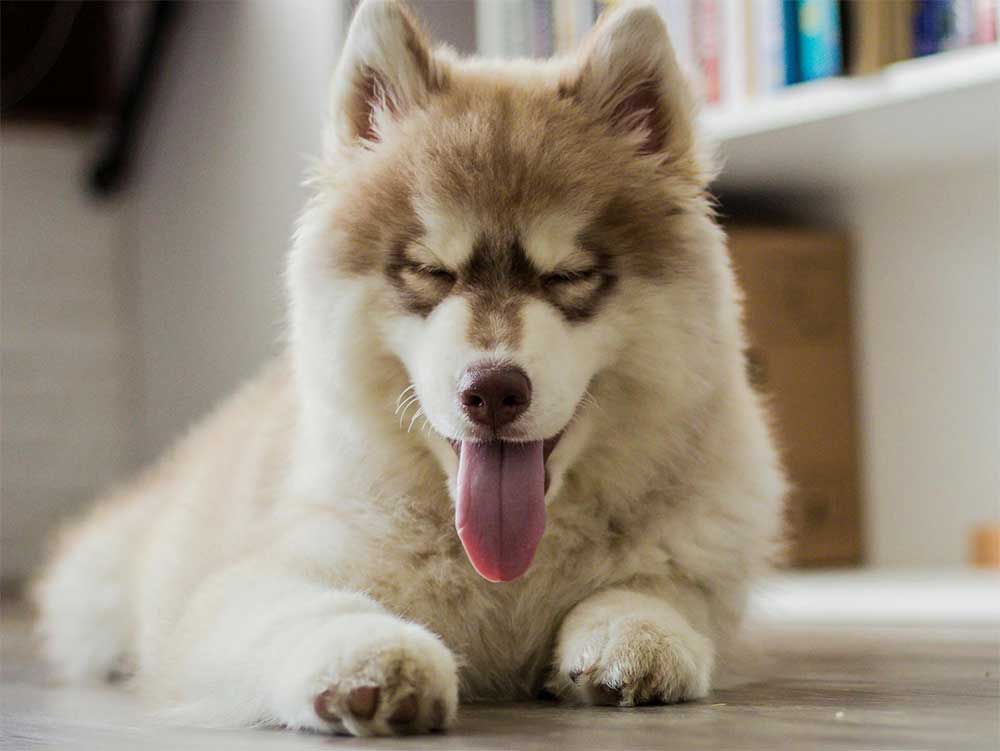
Visual aids are crucial in dog training, particularly for a nuanced skill like the high five. They provide a clear and consistent understanding of the desired behavior, helping both the dog and the trainer to visualize the steps involved. Visual examples illustrate the subtleties of body language and timing, making the training process more efficient and less frustrating.A well-executed high five demonstrates clear communication and understanding between the dog and handler.
The dog eagerly presents a paw, and the handler gently touches the dog’s paw, rewarding the behavior with praise and a treat. The dog’s body language should be positive, indicating enjoyment and engagement in the activity.
Detailed Description of a Dog Performing a High Five
A dog performing a high five presents its paw in a clear and deliberate manner. The paw should be extended, with the dog’s weight balanced and the body posture relaxed but alert. The dog should maintain eye contact with the handler and show enthusiasm for the interaction. The high five is not just about the paw; it’s a demonstration of the dog’s understanding and willingness to participate in the activity.
The dog’s expression should be positive, conveying that they are enjoying the interaction.
Visual Examples of Dogs Performing High Fives
Visual examples can greatly assist in understanding the nuances of a high five. Observe how a dog’s body language, enthusiasm, and the handler’s interaction all contribute to a successful high five. Imagine a dog eagerly reaching out its paw with a wagging tail and happy expression. A second example might depict a dog that is hesitant but eventually extends its paw, showing a growing understanding of the desired behavior.
Stages of Training with Visual Cues
Understanding the progressive stages of training using visual cues helps ensure a smooth transition for the dog. The trainer must adjust the visual cues to align with the dog’s progress. Initially, the cue may be simple, gradually becoming more complex as the dog masters each stage.
Table Summarizing Visual Cues at Different Training Stages
The following table Artikels visual cues used at different stages of training:
| Training Stage | Visual Cue | Description |
|---|---|---|
| Stage 1 (Introduction) | Hand held near the dog’s paw | The trainer’s hand is held near the dog’s paw, encouraging the dog to touch or nudge it. |
| Stage 2 (Encouragement) | Hand held near the dog’s paw with treat | The trainer’s hand holds a treat near the dog’s paw, encouraging paw contact. |
| Stage 3 (Paw Extension) | Hand held in front of the dog’s face | The trainer holds their hand in front of the dog’s face, encouraging the dog to lift its paw. |
| Stage 4 (High Five) | Hand raised slightly above the dog’s paw | The trainer raises their hand slightly above the dog’s paw, guiding the dog into a high five position. |
Illustration of a Dog Learning the High Five
Imagine a dog, initially unsure, positioned in a comfortable environment. The trainer slowly presents a hand near the dog’s paw. The dog may sniff or nudge the hand. This action is rewarded with a treat. The trainer’s hand is gradually moved higher, always keeping it within the dog’s reach, and the reward is given as the dog lifts its paw.
Each successful attempt is reinforced with praise and a treat. The illustration should visually depict this progression, showing how the dog’s behavior changes over time, becoming more confident and deliberate in presenting its paw for the high five.
Final Wrap-Up

In conclusion, mastering the high five command is achievable with patience, consistency, and a deep understanding of canine behavior. This guide has provided a framework for training, highlighting the importance of positive reinforcement, appropriate equipment, and proactive strategies for addressing challenges. By implementing the methods Artikeld, you and your dog can embark on a rewarding journey of learning and connection.
Remember, every dog is unique, and adapting the training to their individual temperament is key to success.