Welcoming visitors while ensuring your dog’s comfort and safety is crucial. This guide provides a comprehensive approach to introducing your canine companion to guests, emphasizing a calm and controlled environment. From preparation to post-introduction care, we’ll explore strategies to foster positive interactions and manage potential challenges.
Preparing for the arrival of visitors requires careful planning. Understanding your dog’s breed-specific temperament and typical reactions to unfamiliar people is key. This includes creating a designated safe space for your dog, and employing strategies to manage anxiety or excitement. We will delve into methods for creating a positive association with visitors, enabling a smooth introduction.
Initial Preparation
A calm and controlled environment is paramount when introducing a dog to visitors. This proactive approach minimizes stress for both the dog and the guests, fostering a positive experience for everyone. Proper preparation involves anticipating potential reactions and mitigating any anxiety or excitement your dog may exhibit.Careful preparation allows for a smooth and enjoyable introduction, ensuring that both your dog and your visitors feel safe and comfortable.
By establishing a predictable routine and managing potential stressors, you can set the stage for a positive interaction.
Creating a Calm Environment
A calm environment significantly reduces stress for your dog. This is crucial for a successful introduction. The space where the introduction takes place should be a designated, comfortable area for the dog. This could be a crate, a specific room, or a section of a room. This controlled space is essential for creating a sense of security and reducing anxiety.
Preparing the Dog’s Space
To create a safe and comfortable environment, ensure the dog’s space is well-stocked with familiar and comforting items. These include toys, a bed, and food and water bowls. Familiar scents, such as blankets or clothing items, can further contribute to a sense of security. The space should be free from clutter, creating a calm and predictable environment.
The goal is to transform the designated area into a sanctuary for the dog.
Managing Anxiety and Excitement
Dogs exhibit various reactions to unfamiliar people, influenced by their breed, training, and past experiences. Before visitors arrive, try to manage the dog’s anxiety or excitement. This might involve calming techniques like gentle petting, soothing music, or offering a favorite treat. A calm and quiet atmosphere before the arrival of visitors will greatly reduce stress for the dog.
Understanding Breed-Specific Reactions
Different breeds exhibit varying reactions to unfamiliar people. For instance, herding breeds may exhibit a tendency to chase or bark, while some smaller breeds may exhibit nervousness or fear. Knowing your dog’s breed and typical temperament is crucial in understanding potential reactions and adjusting your introduction strategy accordingly. Careful observation of your dog’s behavior will help you predict and address potential issues.
Breeds like Huskies or Border Collies might be more prone to being over-stimulated by strangers, while calmer breeds such as Golden Retrievers tend to be more receptive.
Creating Positive Associations
Positive associations with visitors are essential. A gradual introduction, where the dog sees visitors in a calm and controlled environment without direct interaction, can help create a positive association. Rewarding calm behavior and avoiding harsh corrections is crucial. A series of positive interactions will help the dog view visitors as a source of positive experiences. Consistent positive reinforcement creates a positive association between the dog and visitors.
Meeting Visitors
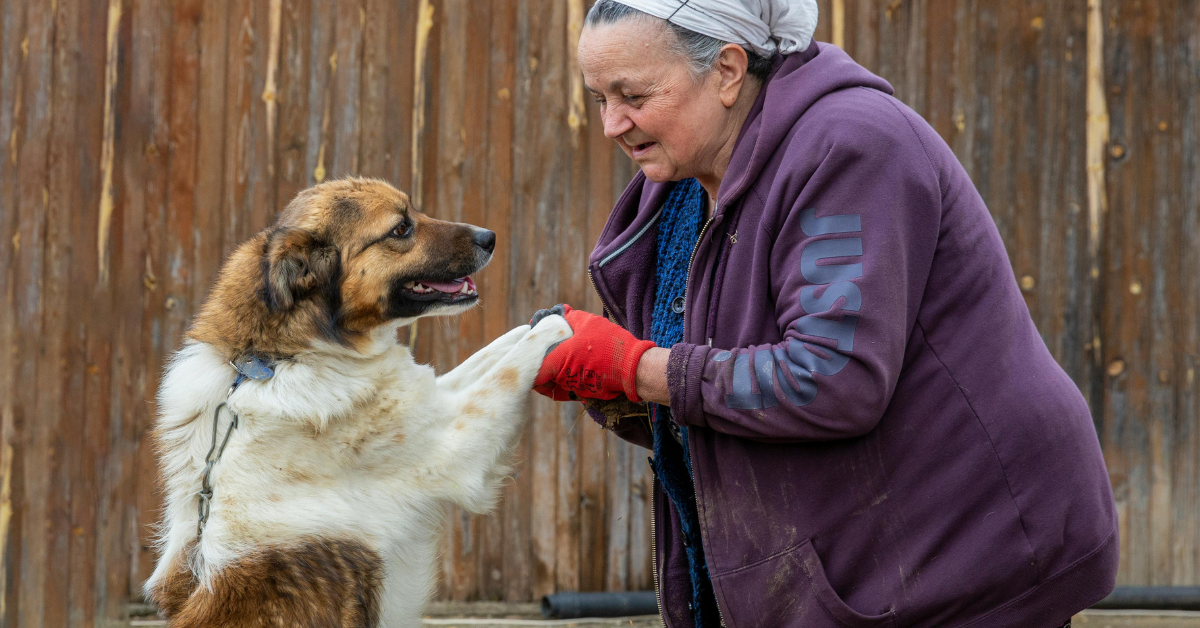
Introducing your dog to visitors requires a careful and controlled approach to ensure a positive experience for everyone. A well-structured introduction process can build trust and foster a welcoming environment for both the dog and the guests. This section details strategies for managing the encounter and promoting a positive interaction.
Ideal Approach for Introduction
A gradual exposure approach is crucial for introducing a dog to visitors. Avoid overwhelming the dog with sudden and intense interactions. Instead, prioritize controlled encounters, allowing the dog to adjust to new stimuli at their own pace. This approach reduces stress and encourages a positive association with visitors. It is essential to remember that each dog has unique sensitivities, so tailoring the approach to the individual dog’s temperament is paramount.
Importance of Gradual Exposure and Controlled Interactions
Gradual exposure involves introducing visitors to the dog from a distance initially. This initial phase allows the dog to become accustomed to the visitor’s presence without immediate pressure. Controlled interactions maintain a calm environment, preventing the dog from feeling overwhelmed or anxious. By gradually increasing interaction time and complexity, you can build a positive association between the dog and visitors.
This strategy is vital for maintaining the dog’s comfort and ensuring a positive experience for all parties.
Using Verbal Cues and Body Language
Verbal cues and body language play a significant role in managing the dog’s behavior during introductions. Use positive and calming words, such as “good boy” or “good girl,” to reinforce desired behaviors. Maintain a relaxed posture and avoid sudden movements that might startle the dog. Non-verbal communication, such as avoiding eye contact or approaching slowly, can also signal to the dog that the situation is safe and manageable.
Positive reinforcement through verbal and non-verbal cues ensures a harmonious and predictable environment.
Positive Reinforcement Techniques
Positive reinforcement techniques, like rewarding calm behavior, are vital for shaping the dog’s response to visitors. When the dog remains calm and controlled during an interaction, reward the behavior with treats, praise, or toys. Consistency in applying these techniques reinforces the desired behavior and creates a positive association with visitors. This method builds trust and encourages the dog to anticipate positive outcomes from interactions.
| Situation | Verbal Cues | Body Language | Positive Reinforcement |
|---|---|---|---|
| Dog meeting visitor from a distance | “Good dog,” “Stay,” “Quiet” | Slow approach, relaxed posture, avoiding eye contact | Treat, praise, favorite toy |
| Dog exhibiting signs of anxiety | “It’s okay,” “Take a break” | Backing away, offering a safe space | Distraction with a toy or chew, soothing touch |
Scenario: Dog Meeting a Visitor from a Distance
Imagine a visitor approaching the house. The dog is initially positioned in a separate room, safely away from the entrance. As the visitor approaches, maintain a calm demeanor. Use verbal cues to keep the dog focused on a specific activity (e.g., chewing a toy) or a designated area (e.g., a comfy bed). This gradual introduction, combined with positive reinforcement, creates a calm and controlled environment, allowing the dog to adjust to the visitor’s presence at their own pace.
The goal is to avoid any sudden or overwhelming interactions.
Managing Interactions

Introducing a dog to visitors requires careful planning and execution to ensure a positive experience for everyone. This section Artikels strategies for guiding interactions, maintaining calmness, and addressing potential issues. A well-managed introduction demonstrates respect for the dog’s comfort level and prevents undue stress or anxiety.
Organizing Visitor Interactions
A structured approach to visitor interactions promotes a calm and controlled environment. This involves a clear sequence of steps that visitors follow, ensuring the dog feels safe and secure. A designated interaction area, free from distractions, is crucial for maintaining focus. Visitors should be instructed on the appropriate entry and exit points, avoiding unexpected approaches or movements that might startle the dog.
Methods for Maintaining Calm Interactions
Various methods can be used to keep interactions calm. Positive reinforcement, rewarding calm behavior, is an effective technique. This involves providing treats or praise when the dog remains relaxed around visitors. Distraction techniques, such as using toys or engaging activities, can redirect attention away from potential triggers. Using a “stay” command or other cues, where applicable, can help maintain composure and control.
The key is to establish a predictable and consistent routine.
Body Language During Introduction
Visitors’ body language plays a critical role in the interaction. A calm and slow approach, avoiding sudden movements, is essential. Speaking softly and avoiding loud or boisterous tones is key. Eye contact, while important, should not be prolonged or intense, as this can be perceived as threatening. Open, inviting gestures and a relaxed posture project a welcoming atmosphere.
The presence of a handler, if applicable, reinforces the dog’s understanding of the situation.
Redirecting Unwanted Behaviors
Addressing unwanted behaviors, such as barking or jumping, requires proactive strategies. Distraction techniques, such as offering a favorite toy or treat, can redirect the dog’s attention. Consistent training and clear communication of “no” or “leave it” commands are essential. A firm, but gentle, approach, combined with positive reinforcement, helps to create a controlled environment. Avoid punishment, as it can lead to anxiety and fear.
Appropriate and Inappropriate Visitor Interactions
| Appropriate Interaction | Inappropriate Interaction |
|---|---|
| Calm, slow approach | Sudden movements |
| Speaking softly | Loud talking |
| Offering treats | Reaching for the dog’s head |
| Eye contact, but not staring | Direct staring |
| Slow hand gestures | Quick hand gestures |
Post-Introduction
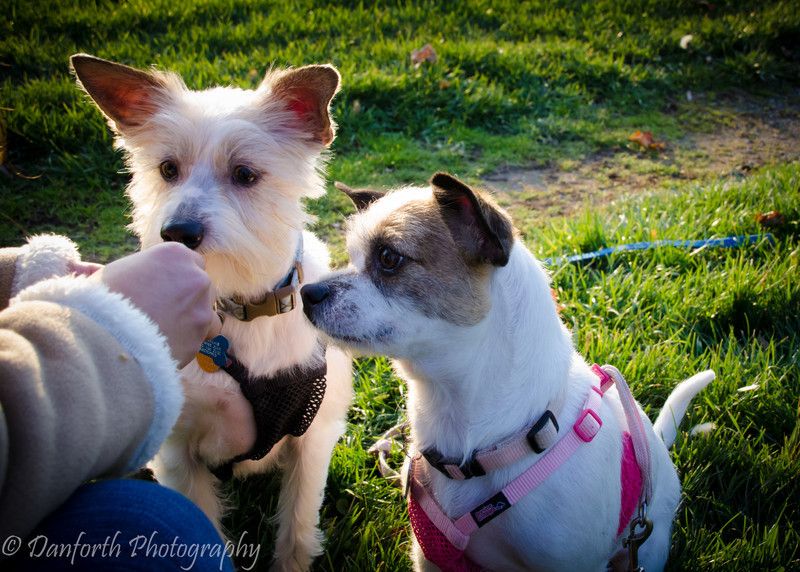
Reinforcing positive interactions and addressing potential challenges are crucial steps in ensuring a smooth transition for both your dog and your visitors. A well-managed post-introduction period helps solidify positive associations and prevents future anxieties. This phase requires vigilance and consistency to ensure a successful outcome.A successful introduction doesn’t end when the visitor leaves. The dog’s reaction to the visitor and the overall experience must be nurtured.
Positive reinforcement plays a vital role in this process, shaping future interactions. Consistent and thoughtful actions are key to building a strong foundation of trust.
Positive Reinforcement Strategies
Positive reinforcement methods, including rewarding calm behavior and praising quiet interactions, are fundamental in solidifying positive associations. This approach fosters a positive association between visitors and the dog’s experience.
- Reward Calm Interactions: Immediately rewarding calm, neutral behavior with treats, praise, or toys strengthens the desired response. For example, if your dog remains relaxed while a visitor approaches, offer a treat and enthusiastic praise. This reinforces the idea that calm behavior leads to positive outcomes.
- Praise and Affection: Affectionate praise, like petting or scratching, can be a powerful reinforcement tool. Use a gentle touch and praise when your dog demonstrates calmness and controlled behavior. This reinforces the association between visitor presence and positive experiences.
- Distraction and redirection: If your dog shows signs of mild anxiety, such as panting or tail-wagging, use distractions like a favorite toy or a treat-dispensing puzzle. Redirect their attention to something positive, rather than punishing unwanted behavior.
Maintaining Positive Associations
Consistent positive interactions with visitors are vital for building lasting positive associations. This requires a proactive approach to visitor interactions.
- Consistency is Key: Maintaining consistent interactions with visitors helps prevent the dog from associating visitors with unpredictable events. This fosters a sense of security and predictability.
- Controlled Introductions: Structure subsequent visits, ensuring the same level of calm introduction techniques are applied. If the dog displays a relaxed posture, and controlled behavior, maintain the same approach.
- Gradual Exposure: Gradually introduce more frequent visits and longer durations of interaction with visitors, allowing the dog to adjust to the presence of people. This approach prevents overwhelming the dog.
Addressing Negative Behaviors
Addressing any negative behaviors promptly and constructively is crucial for a positive outcome. Understanding the root cause of the behavior is key to addressing the issue effectively.
- Identify Triggers: Observe your dog’s body language and behavior cues to identify specific triggers or anxieties related to visitors. These could include loud noises, specific body language from the visitor, or certain locations. Identifying these triggers helps you address the source of the problem.
- Consult a Professional: If negative behaviors persist or intensify, consulting a certified dog trainer or veterinary behaviorist is recommended. They can provide personalized advice and strategies for addressing the specific concerns.
- Avoid Punishment: Punishing your dog for negative behaviors, such as barking or jumping, will likely exacerbate the issue and potentially damage the bond with the visitor. It’s essential to avoid punishment methods.
Preventing Future Anxieties
Preventing future anxieties involves proactively managing situations that might trigger negative responses. Anticipating potential issues is a key component of anxiety prevention.
- Desensitization and Counter-Conditioning: This technique involves gradually exposing the dog to stimuli that trigger anxiety, while pairing them with positive experiences. This method helps the dog overcome the fear associated with visitors.
- Safe Space Creation: Establish a designated safe space for your dog, preferably a quiet, comfortable area where they can retreat during visits. This provides a sense of security and control in the presence of visitors.
- Predictable Routines: Maintain a predictable routine to minimize stress and anxiety. This includes consistent feeding times, exercise schedules, and playtime routines. A predictable routine helps the dog feel secure and reduces the impact of new stimuli.
Handling Specific Situations
Introducing a dog to visitors can sometimes present unforeseen challenges. Understanding potential issues and having a proactive plan for various scenarios can significantly enhance the experience for both the dog and the guests. This section will Artikel strategies for managing specific situations that may arise during introductions.
Addressing Unwanted Behaviors
Successfully integrating a dog into social situations requires recognizing and addressing potential behavioral challenges. Anticipating and proactively managing unwanted behaviors like excessive barking or aggression is crucial for creating a positive experience for all parties involved. The following table illustrates common scenarios and effective responses.
| Scenario | Response |
|---|---|
| Dog is barking excessively | Redirect the dog’s attention with a favorite toy or a high-value treat. This provides a positive alternative to barking. If the barking persists, consider temporarily removing the dog from the interaction area. |
| Dog is overly excited | Use a leash and a quiet space. A controlled environment minimizes disruptive behaviors. Use calming commands and reward calm behavior. |
| Dog is showing aggression | Immediately separate the dog and visitor. Safety is paramount. Assess the situation and determine the best course of action. If aggression escalates, seek professional guidance. |
| Visitor is making sudden movements | Calmly and quickly redirect the visitor’s attention. A gentle verbal cue or a distraction can prevent startling the dog. Explain the importance of slow, controlled movements around the dog. |
| Dog is showing fear | Allow the dog to retreat and maintain distance. Do not force interaction. Providing a safe space and avoiding pressure can help the dog feel secure. |
Additional Tips and Considerations

Successfully introducing your dog to visitors requires more than just a brief encounter. A thoughtful approach, understanding your dog’s unique personality, and tailoring the introduction to each visitor are crucial for a positive experience for everyone. Careful planning and attention to detail can significantly contribute to a harmonious and safe environment for both your dog and your guests.Understanding your dog’s subtle cues and reactions is paramount to a smooth introduction.
This includes recognizing signs of stress or discomfort, such as panting, lip licking, tucked tails, or ears flattened against the head. Recognizing these signals allows you to intervene and prevent potential issues before they escalate.
Understanding Your Dog’s Body Language
Recognizing your dog’s body language is essential for ensuring their comfort and safety during introductions. Pay close attention to subtle cues, such as posture, tail position, ear position, and facial expressions. A dog exhibiting signs of stress, like panting heavily or avoiding eye contact, may need a different approach than a dog confidently approaching a visitor. By understanding these nonverbal signals, you can adjust your interaction strategy to provide a positive and safe environment.
Tailoring Introductions to Each Visitor
Every visitor is different, and so should be the introduction. Children, for instance, may approach a dog differently than an elderly person or another dog. An elderly person might move slowly, whereas a child may move erratically. Adjusting your approach to each visitor can prevent any potential negative interactions or anxieties.
Incorporating Introductions into Your Routine
Smooth introductions should be part of your dog’s daily life. Schedule regular interactions with people and other dogs in a controlled environment to help your dog become accustomed to different situations. This can involve incorporating short, supervised visits from family and friends or even controlled interactions with other dogs in a safe park setting. Gradually increasing the complexity of these interactions will help your dog build confidence and resilience.
Introducing to Different Types of Visitors
Different visitors will respond to dogs differently, based on their own comfort levels. Understanding these differences and adjusting your approach will lead to positive experiences for everyone.
- Children: Children often approach dogs with enthusiasm, but their movements might be unpredictable. Supervising interactions closely and ensuring the child understands how to approach and interact safely with a dog is crucial. Use positive reinforcement and guidance to teach children how to respect the dog’s space and signals. Explain that the dog may need time to adjust and should not be rushed or forced into interaction.
- Elderly Visitors: Elderly visitors may move more slowly and might have a different interaction style. Ensure the introduction environment is calm and accessible. Avoid rushing the interaction, and provide ample time for both the dog and the visitor to adjust to each other’s presence. Slow, deliberate movements can reduce stress for both.
- Other Dogs: When introducing your dog to other dogs, start with a safe, controlled environment, such as a fenced area. Observe their interactions closely. Ensure the dogs are on leash or in a separate area initially to prevent unwanted confrontations. Introduce the dogs gradually, allowing them time to assess each other’s behavior. If signs of aggression appear, immediately separate the dogs.
Ensuring Safety for Dog and Visitors
Safety should be paramount in every introduction. Be mindful of your dog’s body language and any signs of stress or discomfort. Always supervise interactions, especially with children or other animals. Have a plan for quick separation if needed. A well-structured introduction can create a positive experience for all involved.
- Supervision: Always supervise interactions between your dog and visitors, especially with children or other dogs.
- Clear Boundaries: Establish clear boundaries and expectations for interactions. Teach visitors to approach the dog calmly and avoid sudden movements or loud noises.
- Quick Escape Route: Have a designated space where you can quickly remove your dog or the visitor if necessary, in case of any sign of distress or conflict.
Final Thoughts
Successfully introducing your dog to visitors hinges on careful preparation, controlled interactions, and consistent positive reinforcement. By understanding your dog’s body language, tailoring the introduction to each visitor, and implementing strategies for different scenarios, you can create a positive experience for everyone. This guide offers a framework for ensuring a safe and harmonious introduction, building lasting positive associations between your dog and guests.