Dog obedience training is a rewarding journey for both you and your canine companion. It fosters a deeper understanding and connection, enabling a harmonious relationship built on mutual respect and clear communication. This guide provides a structured approach, covering everything from essential equipment and basic commands to advanced techniques and troubleshooting common challenges.
We’ll explore various training methods, emphasizing positive reinforcement as a cornerstone of effective training. Understanding your dog’s body language and tailoring your approach to individual needs are key to success. This comprehensive guide will equip you with the knowledge and tools to build a well-behaved and happy dog.
Introduction to Dog Obedience Training
Dog obedience training is a structured process designed to teach dogs specific commands and behaviors, fostering a positive and cooperative relationship between dog and owner. It encompasses a wide range of skills, from basic commands like “sit” and “stay” to more complex tasks like retrieving objects or performing tricks. This process relies on clear communication, consistent reinforcement, and understanding of canine behavior.Effective obedience training offers numerous advantages for both dogs and their owners.
For dogs, it provides structure, mental stimulation, and a sense of purpose, reducing unwanted behaviors like barking, jumping, and pulling on the leash. For owners, it leads to a more manageable and enjoyable relationship with their canine companion, enabling a greater level of trust and control. Moreover, it builds confidence in both the dog and the owner, contributing to a safer and more harmonious environment.
Different Types of Dog Obedience Training Methods
Various methods exist for training dogs, each with its own approach and philosophies. Understanding these differences allows owners to choose a method that best suits their dog’s temperament and learning style. Crucially, the most effective methods often integrate elements from several approaches.
Positive Reinforcement Training
This method focuses on rewarding desired behaviors with positive reinforcement, such as treats, praise, or toys. Punishment and aversive methods are avoided. Positive reinforcement builds a strong association between the desired behavior and a positive outcome, motivating the dog to repeat the behavior. This method is generally considered the most humane and effective approach.
Classical Conditioning Training
Classical conditioning, a cornerstone of behavioral psychology, involves associating a neutral stimulus with a naturally occurring stimulus to elicit a desired response. In dog training, this can involve pairing a specific command with a reward or a cue to establish a connection. A reliable example involves pairing a specific word with a treat, eventually eliciting the desired behavior upon hearing the word.
Operant Conditioning Training
Operant conditioning focuses on the consequences of behavior. By rewarding desired behaviors and ignoring or redirecting undesirable ones, owners can shape the dog’s actions. This method is often used in conjunction with positive reinforcement. For instance, if a dog jumps on a visitor, redirecting the dog’s attention to a toy or a chew can be an effective operant conditioning technique.
Comparison of Training Methods
| Method | Strengths | Weaknesses |
|---|---|---|
| Positive Reinforcement | Builds a positive association with desired behaviors, reduces stress, promotes a strong bond, and generally considered more humane. | Can take longer to see results for some dogs, requires patience and consistency. |
| Classical Conditioning | Effective for establishing associations and creating automatic responses, can be useful for building routines. | May not be suitable for all dogs, can be challenging to implement effectively. |
| Operant Conditioning | Focuses on shaping behavior through consequences, can be highly effective. | Requires careful consideration of consequences and potentially prone to misuse if not implemented properly. |
Importance of Consistency and Patience
Consistency in training is paramount. Dogs thrive on predictable routines and clear expectations. Inconsistent responses will confuse the dog and hinder the training process. Patience is equally vital; training takes time and effort. Rushing the process will lead to frustration for both the dog and the owner.
Importance of Clear and Consistent Signals
Clear and consistent signals are essential for effective communication. Using the same words and hand signals for commands ensures the dog understands the expectations. Inconsistencies in commands or cues will only confuse the dog. Clear signals contribute to the success of the training.
Essential Equipment and Supplies
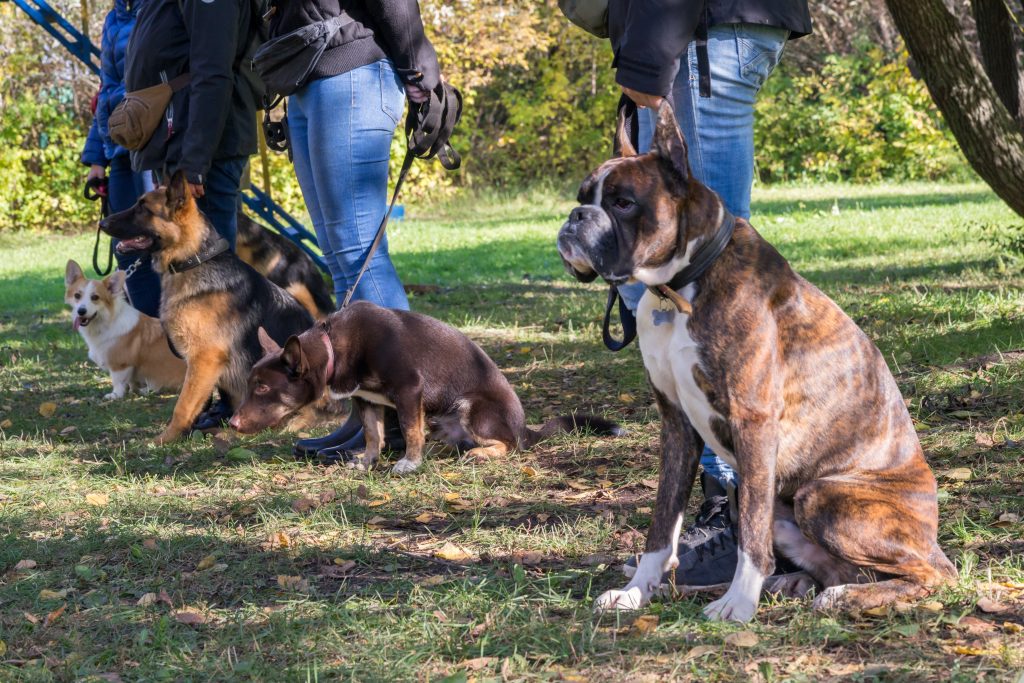
Successfully training your dog requires the right tools and resources. Careful selection of equipment plays a crucial role in creating a positive and effective training experience for both you and your canine companion. This section details the essential equipment needed for successful obedience training.Proper equipment enhances the training process by providing clear communication and control. It also minimizes distractions and promotes a positive learning environment.
This, in turn, leads to more effective and efficient training outcomes.
Equipment for Obedience Training
A well-equipped training area is key to a positive learning environment. Essential items include a reliable leash, a comfortable collar, and high-value treats. The appropriate tools allow for clear communication and control, minimizing distractions and maximizing positive learning outcomes.
- Leash: A well-fitting leash is critical for controlling your dog during training sessions. A six-foot leash is a common choice for general obedience training, allowing you to maintain control without overly restricting your dog’s movement. Consider using a leash that fits your dog comfortably and provides adequate control. Leather leashes are durable, but nylon leashes offer better flexibility and lighter weight, which can be helpful for longer training sessions.
- Collar: A comfortable and secure collar is essential for identifying your dog and for controlling their movement during training. Avoid choke chains or pinch collars, as these can cause harm and discomfort. A simple flat collar or a harness is recommended. A harness distributes pressure more evenly, making it a better choice for dogs who pull on the leash.
Ensure the collar fits snugly without being too tight.
- High-Value Treats: Using high-value treats motivates your dog and reinforces desired behaviors. These treats are more enticing than everyday snacks, making them an effective tool for positive reinforcement. This helps build a strong positive association with training. Consider using small, easily digestible treats that are highly palatable to your dog.
Types of Dog Treats and Effectiveness
Selecting the right treats is vital for motivating your dog during training. The following table Artikels different types of treats and their potential effectiveness.
| Treat Type | Effectiveness | Considerations |
|---|---|---|
| Meat-based treats (e.g., jerky, meat bits) | Generally high in palatability, especially for dogs with a strong meat preference. | Can be expensive and may contain high levels of sodium if not carefully selected. |
| Cheese-based treats | Highly effective for many dogs, especially those with a fondness for dairy. | Some dogs may be lactose intolerant. Check with your veterinarian if you have concerns. |
| Fruits and vegetables | Good for some dogs; not as highly effective as meat-based treats for all dogs. | May not be as appealing to all dogs and require careful selection to avoid choking hazards. |
| Kibble | A cost-effective option; not always as effective as other options. | May not be as motivating for some dogs compared to other treats. |
Importance of High-Value Treats
High-value treats are significantly more appealing to dogs than regular treats, making them a powerful motivator for desired behaviors. They are crucial for training, as they create a strong positive association with learning and make training more enjoyable. This ultimately improves the effectiveness of your training sessions.
Selecting a Training Area
Choosing a suitable training area is crucial for creating a distraction-free environment. Consider factors such as size, visibility, and safety. A spacious, enclosed area allows for more freedom of movement for both you and your dog. Ensure that the area is free from hazards and distractions, such as toys, other pets, or loud noises. A quiet, controlled environment will improve your dog’s ability to focus and learn.
Basic Obedience s
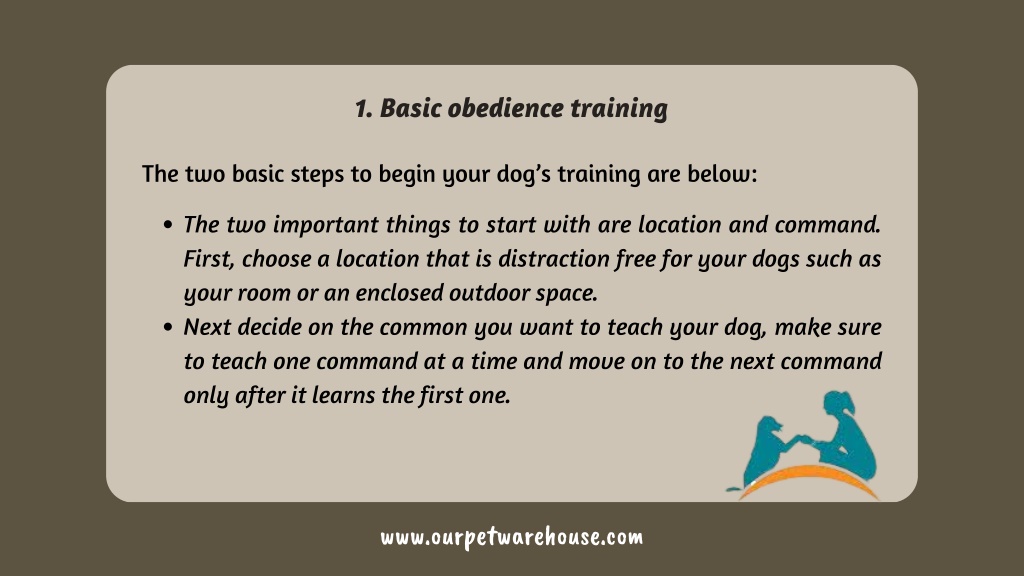
Learning basic obedience s is crucial for building a strong and positive relationship with your dog. These commands establish clear communication, allowing you to control your dog safely and effectively in various situations. They also enhance your dog’s overall well-being by providing structure and predictability in their environment. Furthermore, mastering these fundamentals paves the way for more advanced training.Basic obedience s are the cornerstone of responsible dog ownership.
They establish a common language between you and your dog, fostering mutual respect and understanding. By teaching your dog these essential commands, you are not only improving their behavior but also enhancing your ability to enjoy a harmonious and fulfilling relationship with them.
Teaching the “Sit”
Teaching the “sit” command is a fundamental step in positive reinforcement training. It’s a simple command that helps your dog understand how to follow your instructions. Using positive reinforcement, you can reward your dog for desired behaviors, making the learning process enjoyable and effective.Start by holding a treat close to your dog’s nose. Slowly move your hand upwards and backwards, over their head.
Their body will naturally follow the treat, moving into a sit position. As their rear touches the ground, immediately say “sit” and reward them with the treat. Repeat this process consistently, pairing the verbal command with the physical action. Consistency is key; the more you practice, the quicker your dog will learn.
Teaching the “Stay”
The “stay” command builds upon the “sit” command. It teaches your dog to remain in a stationary position, whether sitting or standing, as instructed.Begin by having your dog in a sit position. Say “stay” and give a hand signal (e.g., a small, upward motion of your hand). Immediately, reward them with a treat, and slowly increase the duration of the “stay” command.
Gradually increase the distance you move away from your dog. If your dog moves, gently guide them back to the original position, and re-initiate the process. Praise and reward every successful attempt, and practice frequently in varied locations.
Teaching the “Come”
Teaching the “come” command requires a combination of positive reinforcement and consistent practice.Start by calling your dog’s name in a happy and enthusiastic tone. As they approach, immediately say “come” and reward them with a treat and praise. Use a long leash to avoid overwhelming the dog. Practice in a familiar environment and progressively increase the distance over time.
Gradually add distractions, ensuring the dog still responds to the command. Praise and reward the dog each time they come when called.
Rewarding Desired Behaviors
Rewarding desired behaviors is fundamental to positive reinforcement training. Positive reinforcement strengthens the association between a behavior and its consequence. This approach focuses on rewarding the dog for performing the desired action, making the experience positive and motivating for the dog.
Rewarding desired behaviors strengthens the connection between the action and the positive consequence.
Use high-value treats as rewards. The more desirable the treat, the more effective the reward will be. Consistency in rewarding reinforces the behavior and helps your dog understand what you expect.
Common Commands and Hand Signals
| Command | Hand Signal ||—|—|| Sit | Hand in a “stop” motion over the dog’s head || Stay | Hand signal similar to “stop” but slightly higher than the dog’s head || Come | Hand extended, palm open and moving towards you || Down | Hand extended downward and slightly forward || Heel | Hand placed slightly ahead of the dog’s head, in a guide motion || Leave It | Hand flat, palm down, in front of the dog’s nose |
Advanced Obedience Training Techniques
Building upon the foundational obedience commands, advanced training refines your dog’s understanding and responsiveness. This stage emphasizes consistency, patience, and a deeper connection between you and your canine companion. Advanced techniques tackle distractions, build focus, and challenge your dog mentally and physically.
Refining Basic Obedience Commands
Mastering the “heel,” “place,” and “down” commands requires more than simple repetition. These commands, initially taught in basic obedience, now demand precision, focus, and the ability to maintain control amidst distractions. Effective training involves breaking down complex behaviors into smaller, manageable steps. Positive reinforcement, coupled with clear communication and consistent cues, is paramount.
Teaching “Heel” with Precision
The “heel” command demands consistent positioning, close proximity, and responsiveness to your cues. Training involves gradual increases in distractions. Begin in quiet environments, then introduce controlled distractions, like soft toys or low-volume noises. Reward your dog for maintaining position and focus, gradually increasing the intensity of the distractions.
Teaching “Place” with Control
The “place” command establishes a designated area where your dog should remain. Start by rewarding your dog for staying on a specific spot, using a cue word or hand signal. Gradually introduce distractions, such as other dogs or people, rewarding your dog for maintaining their position. A gradual increase in the duration of the stay reinforces the command.
Teaching “Down” with Focus
The “down” command is more than just a physical position; it fosters calmness and control. Start by rewarding your dog for lying down on command, using a cue word or hand signal. Increase distractions, including movement and sound, rewarding your dog for maintaining the down position. Use a lure, if necessary, to guide your dog into the down position initially, and transition to the cue word or hand signal.
Utilizing Distractions in Training
Distractions are inevitable in real-world scenarios. Integrating distractions into training allows your dog to maintain focus and obedience. Start with minimal distractions, such as a quiet toy, and gradually increase the complexity. Positive reinforcement is key; reward your dog for ignoring the distraction and maintaining the desired behavior.
Managing Distractions Effectively
Managing distractions involves patience and persistence. Use short training sessions and focus on specific commands. If your dog becomes overwhelmed, take a break and return to a calmer environment. Reinforce your dog’s ability to focus on you, rewarding the desired behavior with immediate praise and treats. A gradual increase in distraction intensity is crucial.
Advanced Obedience Training Exercises
- Focus on distractions: Introduce increasingly complex distractions, like other dogs or people, to test your dog’s ability to stay focused on you.
- Long-duration stays: Gradually increase the duration of “place” and “stay” commands to challenge your dog’s attention span and resolve.
- Distance work: Practice commands at increasing distances from you, testing your dog’s ability to follow your cues despite distance and distractions.
- Multiple commands in sequence: Combine multiple commands, such as “heel,” “place,” and “down,” in a sequence to test your dog’s ability to respond in succession.
- Command transitions: Practice transitioning between commands seamlessly, like from “heel” to “sit,” to test the dog’s understanding of the commands and their sequence.
Incorporating Agility Training into Obedience
Agility training enhances your dog’s obedience skills by adding a physical element. Obstacles in an agility course force dogs to focus on cues and maintain attention. Agility training builds upon obedience commands like “sit,” “stay,” and “come,” requiring the dog to understand and react to your cues while navigating obstacles. Training incorporates a gradual introduction to obstacles and increased complexity.
Addressing Common Challenges in Obedience Training
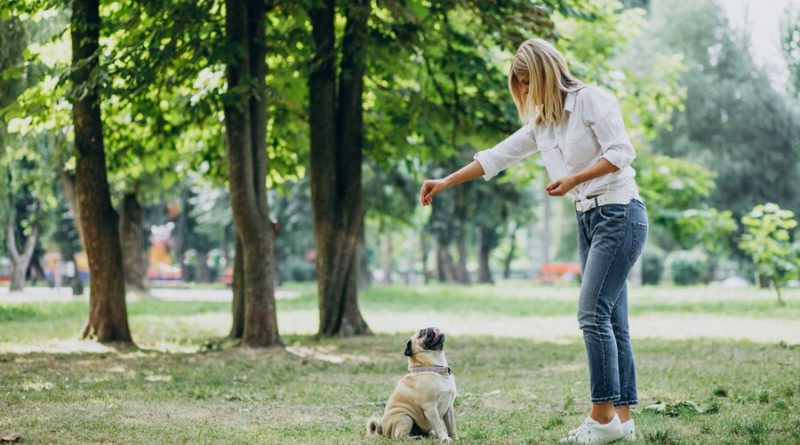
Obedience training is a journey of mutual understanding and growth between you and your canine companion. While the process is rewarding, it’s crucial to anticipate and address potential obstacles. Recognizing common challenges and implementing effective strategies will greatly enhance your dog’s learning experience and strengthen your bond.
Common Challenges in Dog Obedience Training
Various behaviors can pose hurdles during obedience training. Understanding the root causes is key to devising effective solutions. Leash pulling, jumping, and excessive barking are common examples, each stemming from different underlying motivations. Addressing these issues requires patience, consistency, and a nuanced understanding of your dog’s individual needs.
Leash Pulling
Leash pulling, a frustrating yet common issue, often stems from a dog’s excitement, anticipation of reward, or a lack of understanding of the desired behavior. A dog might pull to explore, get to a specific location, or react to environmental stimuli. Addressing this involves focusing on rewarding the dog for walking calmly by your side. Using positive reinforcement techniques, like rewarding relaxed leash-walking with treats, praise, and toys, can be very effective.
Gradually increasing the duration of the walks and rewarding calm moments throughout the walk will encourage the dog to associate walking calmly with positive outcomes. A consistent training schedule and clear communication are essential.
Jumping
Jumping, a common greeting behavior, can be disruptive and even harmful. Dogs often jump to express excitement or attention-seeking behaviors. The best approach is to prevent the dog from jumping in the first place. When guests arrive, redirect the dog’s attention to a favorite toy or treat, rewarding them for calm behavior. Consistency is key; every time the dog attempts to jump, firmly but gently discourage the behavior, redirecting their attention to a more appropriate activity.
Using a “place” command and rewarding the dog for staying in a designated spot can be effective in controlling this behavior.
Excessive Barking
Excessive barking can be a result of various factors, such as anxiety, boredom, or a desire for attention. Determining the underlying cause is crucial for effective intervention. If barking is due to anxiety, consider providing a safe space for the dog. If boredom is the issue, increase playtime and mental stimulation. If the barking is attention-seeking, ignore the barking and reward calm behavior.
Training techniques such as teaching the “quiet” command and rewarding silence can be beneficial.
Addressing Breed-Specific Needs
Different dog breeds have varying energy levels and temperaments. Training techniques should be adapted to accommodate these differences. High-energy breeds like Border Collies might require more physical activity and mental stimulation to stay focused. Small breeds, on the other hand, might benefit from shorter training sessions and a more gentle approach. Understanding your dog’s breed-specific traits can help tailor training techniques for optimal results.
Dog Body Language
Understanding your dog’s body language is critical in dog obedience training. Signs of stress, anxiety, or discomfort can be crucial indicators of underlying issues. Learning to interpret these signals can help you anticipate potential problems and adjust your training accordingly. A relaxed posture, wagging tail, and soft eyes generally indicate a happy and cooperative dog. Conversely, a tucked tail, flattened ears, and a tense posture could signal fear or anxiety.
Careful observation can help prevent escalation of negative behaviors.
Table of Common Dog Behavioral Problems and Solutions
| Behavioral Problem | Potential Causes | Solutions |
|---|---|---|
| Leash Pulling | Excitement, anticipation, lack of understanding | Positive reinforcement for calm walking, consistent training |
| Jumping | Excitement, attention-seeking | Prevent jumping, redirect attention to appropriate activities |
| Excessive Barking | Anxiety, boredom, attention-seeking | Provide a safe space, increase mental stimulation, ignore barking and reward calm behavior |
Building a Strong Bond Through Training
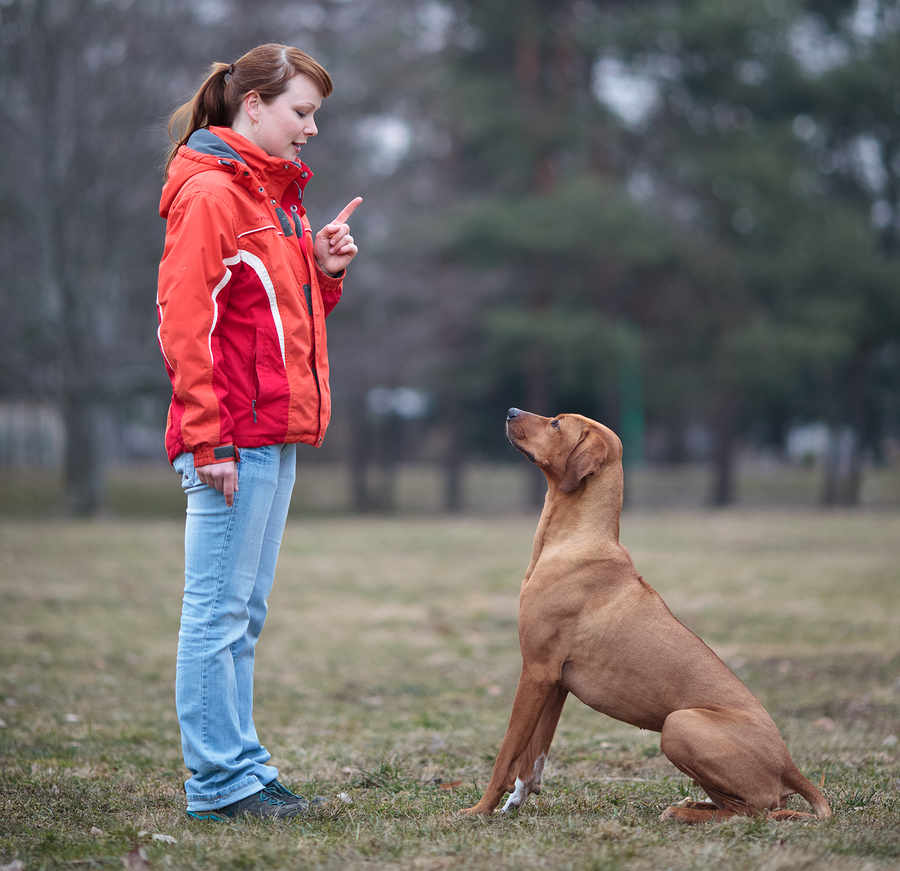
Building a strong bond with your dog is a crucial aspect of successful obedience training. It’s not merely about teaching commands; it’s about fostering a relationship built on mutual respect, trust, and understanding. This connection deepens the learning process and ensures a more enjoyable experience for both you and your canine companion.Effective training isn’t just about achieving obedience; it’s about building a strong, loving partnership.
A positive training approach, focused on reinforcement rather than punishment, cultivates trust and strengthens the bond between you and your dog. This approach creates a foundation for a lifelong relationship based on mutual understanding and respect.
Positive Reinforcement for Trust
Positive reinforcement is the cornerstone of a positive training environment. It focuses on rewarding desired behaviors rather than punishing unwanted ones. This approach fosters a sense of trust and cooperation, encouraging your dog to view training as a positive experience. By consistently associating training with positive outcomes, your dog learns to anticipate and actively participate in the learning process.
Examples of Positive Reinforcement Methods
Positive reinforcement methods are diverse and adaptable to various dog personalities. Rewards can include treats, praise, toys, or even a favorite activity. A consistent approach is key to success. For example, if your dog sits when you command, immediately rewarding them with a treat and praise reinforces the desired behavior. Another example is rewarding your dog with a favorite toy after successfully completing a series of commands.
Consistency in your approach ensures your dog understands what’s expected and how to earn positive feedback.
Creating a Positive Training Environment
A positive training environment is critical for a successful training program. Creating a calm and supportive atmosphere minimizes stress and maximizes learning. This environment should be free from distractions, allowing your dog to focus on the task at hand. Minimizing loud noises, unfamiliar sights, and other disturbances will ensure that your dog can concentrate on the training session.
A positive environment builds confidence and trust, creating a more receptive learning experience.
- Minimize Distractions: Find a quiet space for training sessions. Gradually introduce controlled distractions as your dog masters commands.
- Maintain a Calm Tone: Use a gentle and encouraging tone of voice. Avoid yelling or raising your voice.
- Positive Body Language: Maintain a relaxed and friendly posture. Use open body language to communicate acceptance and support.
Understanding Your Dog’s Needs
Understanding your dog’s unique needs and preferences is essential for effective training. Every dog is an individual with its own temperament, learning style, and physical needs. Observing your dog’s body language and responding accordingly will help you understand their emotional state. For instance, if your dog shows signs of stress or anxiety, adjusting your training approach to a calmer environment can greatly improve their response to the training sessions.
Praise and Encouragement
Praise and encouragement are vital components of positive reinforcement. They communicate approval and reward the desired behavior, reinforcing the positive association with training. Verbal praise, gentle petting, or a happy tone of voice can effectively reinforce desired behaviors. A simple “good boy” or “good girl” can greatly influence your dog’s perception of the training session.
Training Resources and Support
Enhancing your dog’s obedience training often requires supplementary resources and support beyond personal practice. This section details various avenues for acquiring knowledge, guidance, and community interaction to optimize your training journey. Effective training frequently involves seeking advice from experts and engaging in learning opportunities.A comprehensive approach to dog obedience training often benefits from leveraging diverse resources. Utilizing reputable books, websites, and trainers can provide valuable insights and strategies to address specific challenges or refine techniques.
Online platforms also offer interactive support and communities that foster a shared learning experience.
Reputable Resources for Dog Obedience Training
Numerous resources provide valuable guidance for dog obedience training. Books offer structured information and real-world examples. Websites and online forums offer interactive communities where owners can share experiences, ask questions, and gain support. Qualified trainers provide personalized guidance, tailored feedback, and a structured training environment.
Examples of Online Resources
Numerous online resources offer support and guidance for dog obedience training. Sites like the American Kennel Club (AKC) website provide comprehensive information, articles, and videos on dog training techniques. Online forums and communities dedicated to dog training can offer valuable advice from experienced owners and trainers. Interactive online courses provide structured lessons, exercises, and feedback, enabling owners to train their dogs at their own pace.
Finding Qualified Dog Trainers in Your Area
Locating qualified dog trainers in your area involves diligent research. Start by seeking recommendations from other dog owners. Local animal shelters and veterinary clinics often have referrals. Online directories and search engines can help you identify trainers in your area. Check for certifications and experience levels to ensure you find a suitable trainer for your dog’s needs.
Benefits of Attending Obedience Classes
Dog obedience classes offer numerous benefits. Structured environments provide consistent learning experiences, exposing dogs to various training methods. These classes facilitate socialization, helping dogs interact with other dogs and people in a controlled setting. Structured lessons and expert guidance from certified trainers provide valuable insights and tailored strategies for effective training. This environment fosters a sense of community among owners and their dogs.
Examples of Online Training Programs
Various online training programs cater to different needs. Some programs offer video tutorials, providing visual demonstrations of training techniques. Others offer interactive exercises and assessments to monitor progress. Comprehensive programs often provide a structured curriculum, ensuring a well-rounded approach to training. Online platforms often allow for personalized feedback and support from instructors.
Reputable Dog Training Organizations
Numerous reputable dog training organizations provide valuable resources and support. A list of such organizations includes the American Kennel Club (AKC), the Association of Professional Dog Trainers (APDT), and the Certification Council for Professional Dog Trainers (CCPDT). These organizations typically offer certifications and standards to ensure that trainers possess the necessary skills and knowledge to provide effective training.
| Organization | Focus |
|---|---|
| American Kennel Club (AKC) | Promoting dog sports and responsible dog ownership, offering training resources and certifications. |
| Association of Professional Dog Trainers (APDT) | Advocating for ethical and effective dog training practices, providing resources and standards for trainers. |
| Certification Council for Professional Dog Trainers (CCPDT) | Establishing standards for dog trainers and offering certifications to ensure competency. |
Final Summary
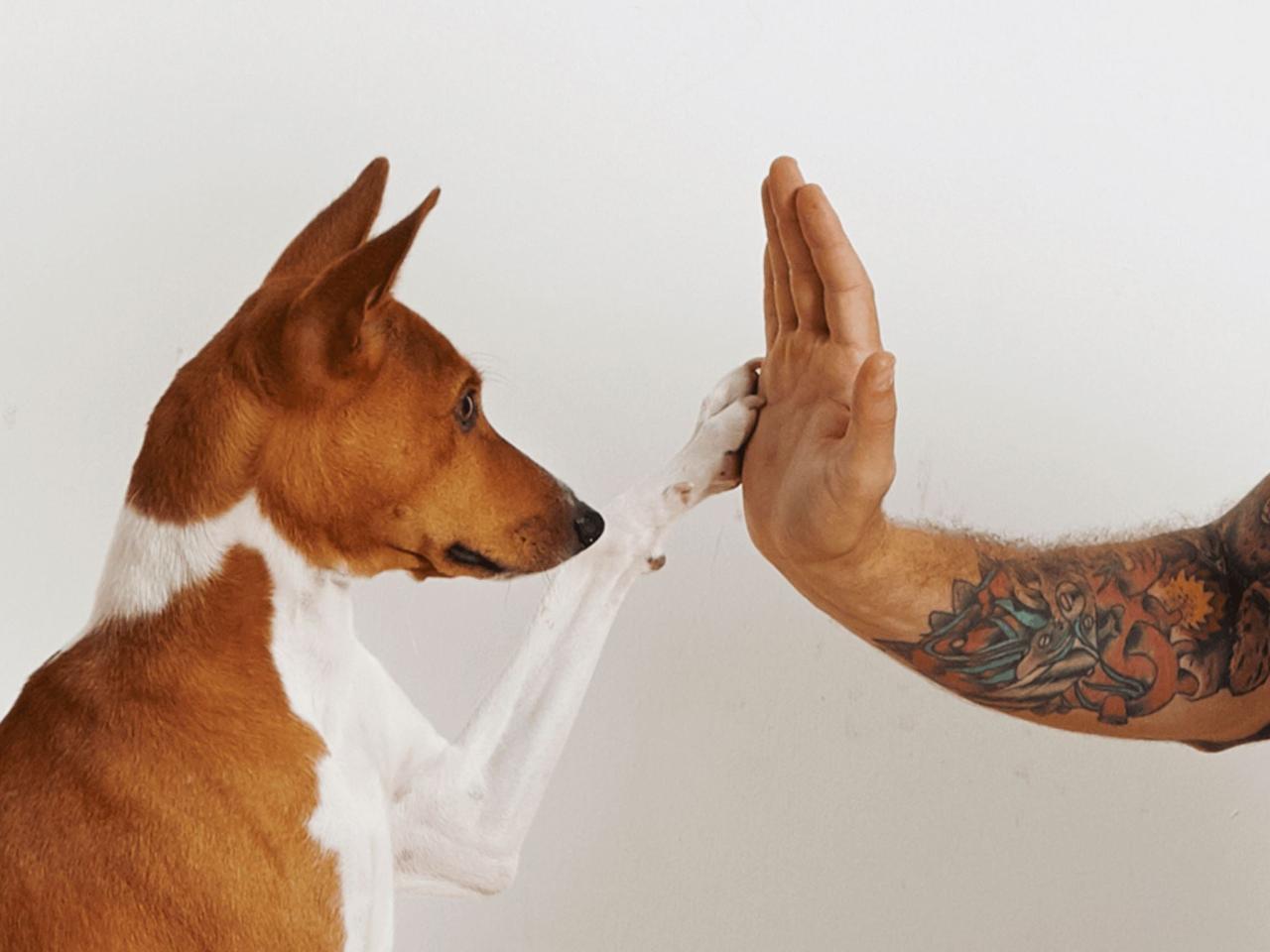
In conclusion, obedience training is a continuous process of learning and adaptation. By understanding the principles of positive reinforcement, utilizing the right equipment, and consistently practicing the Artikeld techniques, you can cultivate a strong bond with your dog while shaping their behavior in a positive and constructive manner. Remember to remain patient, consistent, and celebrate small victories along the way.
Ultimately, this commitment will result in a well-trained, well-adjusted, and happily obedient companion.