Teaching your dog to fetch is a rewarding experience for both you and your canine companion. This comprehensive guide breaks down the process, from initial steps to advanced techniques, ensuring a positive and successful learning journey. We’ll explore the fundamental principles of dog training, emphasizing positive reinforcement to create a strong bond and a happy learner. Essential equipment and a structured training schedule are crucial components of this process.
Understanding your dog’s individual needs and learning style is key to success. This guide provides detailed information on selecting the right location, motivating your dog, and handling potential distractions. We’ll also delve into troubleshooting common issues, ensuring a smooth and enjoyable learning experience for both you and your furry friend.
Introduction to Fetch Training
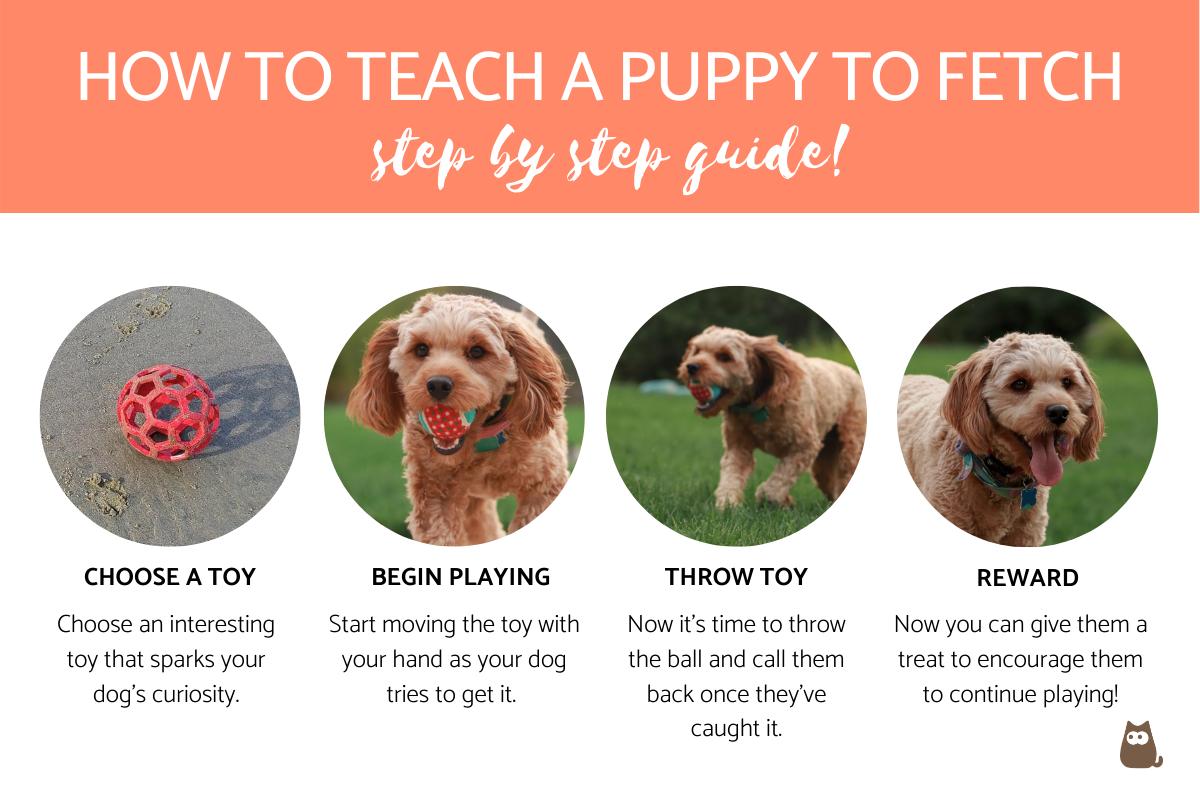
Teaching a dog to fetch is a rewarding experience for both dog and owner, fostering a strong bond and providing valuable mental and physical stimulation. This process relies on fundamental dog training principles, which prioritize positive reinforcement and understanding canine behavior. A well-structured training program will not only teach your dog to fetch but also improve their overall obedience and responsiveness.Understanding canine psychology is crucial.
Dogs learn best through positive reinforcement, rewarding desired behaviors with treats, praise, or toys. Avoid punishment or harsh methods, as these can create fear and anxiety, hindering the learning process. Consistent and patient training is key to success.
Fundamental Principles of Dog Training
Positive reinforcement is a cornerstone of effective dog training. It involves rewarding desirable behaviors, strengthening the connection between the action and the positive consequence. This approach builds trust and encourages your dog to repeat the desired actions. Using treats, praise, and toys as rewards motivates the dog and reinforces the learning process. Consistency in reward timing is vital.
The reward should immediately follow the desired behavior.
Importance of Positive Reinforcement in Fetch Training
Positive reinforcement is paramount in fetch training. This method builds a positive association with the activity, making fetch a fun and enjoyable experience for your dog. Positive reinforcement fosters cooperation and strengthens the bond between you and your dog. It helps avoid creating fear or aversion to the training process.
Benefits of Teaching a Dog to Fetch
Teaching your dog to fetch offers numerous benefits. It provides valuable mental stimulation, keeping your dog engaged and preventing boredom. It also offers physical exercise, promoting a healthy lifestyle. Fetch enhances your dog’s focus and obedience skills, making them more responsive to commands. Moreover, it can foster a strong bond between you and your dog, creating shared activities and enriching your relationship.
Essential Equipment for Fetch Training
Proper equipment is essential for a safe and effective fetch training session. The following equipment is vital for a successful training experience.
| Equipment Item | Description | Purpose | Cost Estimate |
|---|---|---|---|
| Ball | A durable, appropriately-sized ball suitable for your dog’s size and play style. | The primary object for fetching. | $5-$20 (depending on size, material, and brand) |
| Treats | High-value treats, such as small pieces of jerky or kibble, preferred by your dog. | Used as positive reinforcement for desired behaviors. | $5-$15 (depending on type and quantity) |
| Leash | A comfortable and sturdy leash, ideally made of nylon or leather, to control your dog during training. | Allows for safe handling and control of the dog during training. | $10-$30 (depending on length and quality) |
| Collar | A comfortable and well-fitting collar for identification and handling. | A crucial safety item for identification and control. | $5-$25 (depending on material and size) |
Initial Steps and Motivation
Successfully teaching your dog to fetch requires careful planning and a positive approach. Initial training sessions should focus on building a strong foundation of engagement and enthusiasm. The dog’s comfort and safety should be paramount, ensuring the environment fosters a positive learning experience.
Selecting a Suitable Training Location
Choosing the right location for initial fetch training is crucial for success. An ideal location should be free from distractions, allowing the dog to focus solely on the task at hand. This minimizes potential interruptions and helps the dog develop a clear understanding of the commands. A fenced yard, a park with minimal foot traffic, or a quiet area away from roads are all suitable options.
Consider the dog’s personality and comfort level when selecting a space. A place where the dog feels secure and relaxed will lead to better learning outcomes.
Motivating Your Dog
Motivating your dog to participate enthusiastically in fetch training is essential. Positive reinforcement methods, such as rewarding desired behaviors with treats, praise, or toys, are highly effective. Use high-value rewards to keep the dog engaged and eager to participate. This approach creates a positive association with the activity. Avoid punishment or forceful methods, as these can deter the dog and create fear or anxiety.
Establishing a Consistent Routine
A consistent training routine helps the dog understand expectations and promotes predictable outcomes. Establishing a structured daily schedule aids in the dog’s learning process. A routine should include dedicated fetch training time, ensuring the dog understands the activity’s purpose and the expected behavior. Consistency also allows the dog to anticipate the next step, leading to more effective training.
Effective Rewards for Successful Attempts
Rewarding successful fetch attempts is vital to reinforcing desired behaviors. High-value treats, favorite toys, or verbal praise are effective rewards. Treats should be small and easily digestible, ensuring the dog enjoys them without discomfort. Praise and petting can also reinforce positive behavior. Using a combination of rewards keeps the dog engaged and motivated.
For example, a small piece of cooked chicken or a favorite chew toy can serve as effective rewards.
A Simple First Week Training Schedule
This schedule Artikels a simple, manageable approach for the first week of fetch training. It focuses on establishing basic commands and building positive associations with the activity. This schedule is a guideline and can be adjusted based on your dog’s individual needs and learning pace.
| Day | Activity | Duration | Rewards |
|---|---|---|---|
| Day 1 | Introduction to the ball | 5-10 minutes | High-value treats, praise |
| Day 2-3 | Toss and retrieve, basic “fetch” command | 10-15 minutes | Treats, praise, a short game |
| Day 4-5 | Practice with distance | 10-15 minutes | Treats, praise, short play |
| Day 6-7 | Increased distance, more repetitions | 15-20 minutes | Treats, praise, longer game, favorite toy |
Basic Fetch Commands
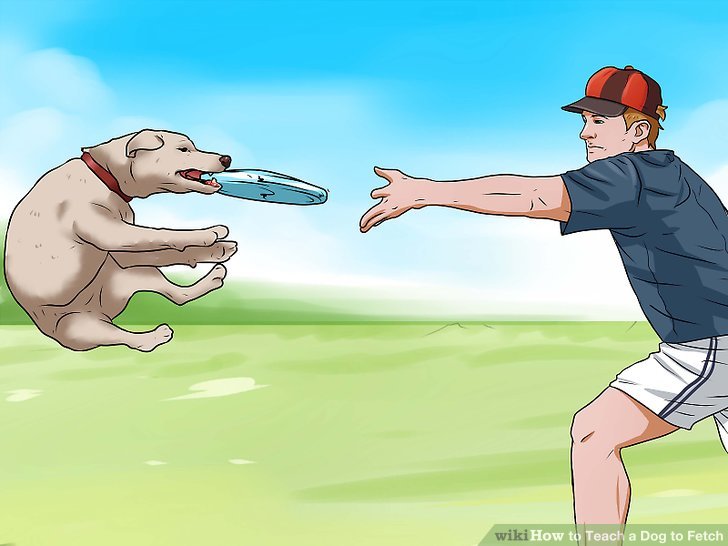
Mastering the art of fetch with your canine companion involves a structured approach to teaching essential commands. This section delves into the core verbal cues and actions crucial for a successful fetch experience, covering the “fetch” command itself, the crucial “drop” command, and how to manage potential distractions. Understanding these elements is vital for building a strong and responsive bond with your dog.
Verbal Cues for Fetch
Clear and consistent verbal cues are fundamental for effective fetch training. The specific verbal cues used are often personal preferences, but they must be consistently applied. Using a short, easily memorable word like “fetch” or “get it” is recommended. Likewise, a distinct word for the “drop” command is important. These consistent cues will help your dog understand the desired action.
Teaching the “Fetch” Command
Begin by holding a desirable toy or treat in your hand. Say the “fetch” command clearly and enthusiastically. As you say the command, gently toss the toy a short distance. Reward your dog immediately upon retrieving the toy. Praise and reward consistently to reinforce the desired behavior.
Gradually increase the distance of the toss as your dog masters the command.
The Significance of the “Drop” Command
The “drop it” or “leave it” command is a critical component of fetch training. It teaches your dog to release the toy or object when asked. This prevents unwanted behaviors like guarding or not releasing the item when requested. The “drop it” command also prevents the dog from running away with the toy. Using a distinct verbal cue will help differentiate the “fetch” and “drop” commands.
Handling Distractions During Fetch Training
Distractions are inevitable during training, but they can be managed. Start training in a quiet environment and gradually introduce controlled distractions. For instance, you could start with a friend or family member standing nearby to begin desensitizing your dog to the distractions. Gradually increase the level of distractions, such as other dogs or children, to help your dog learn to focus on the task at hand.
Fetch Training Table
| Command | Explanation | Visual Cue | Example |
|---|---|---|---|
| Fetch | The command instructing the dog to retrieve an object. | Throwing the object (e.g., a ball) a short distance. | “Fetch!” followed by tossing the ball. |
| Drop It | The command instructing the dog to release the object. | Holding your hand out to receive the object. | “Drop it!” while gently holding your hand out. |
| Leave It | The command instructing the dog to ignore a desired object. | Placing a non-desirable object in front of the dog. | “Leave it!” while placing a non-desirable object on the ground. |
| No | Used to stop an unwanted behavior. | Making a firm, clear “no” sound, coupled with a gentle but firm correction. | “No!” coupled with a gentle push to discourage the dog from grabbing a forbidden object. |
Building the Fetch Routine

Gradually increasing the distance and complexity of fetch training is crucial for a rewarding experience for both you and your canine companion. A well-structured routine helps maintain focus and enthusiasm, while addressing potential challenges and reinforcing desired behaviors. This stage of training requires patience and consistency to build a strong foundation for advanced fetch activities.This section Artikels strategies for progressively increasing the fetch distance, managing excitement and focus, introducing diverse toys, utilizing effective praise and rewards, and handling errors during fetch training.
Increasing Fetch Distance
Successfully increasing the distance requires a gradual approach. Begin with short distances, ensuring your dog consistently retrieves the toy. As your dog demonstrates reliability, gradually increase the distance, rewarding each successful retrieval. A good rule of thumb is to increment the distance by a few feet each session. This allows the dog to adapt to the increasing challenge and maintain focus.
Monitoring your dog’s body language and stopping if they appear overwhelmed is crucial. For example, if your dog starts showing signs of losing interest or disengagement, shorten the distance and return to a more comfortable level.
Managing Excitement and Focus
Maintaining your dog’s focus during fetch, especially as the distance increases, is vital. Use high-value rewards, like treats or praise, to reinforce focus and calm behavior. If excitement becomes overwhelming, redirect your dog’s attention with a different command, like “sit” or “stay.” Short, frequent training sessions are more effective than longer, less focused sessions. For instance, if your dog exhibits signs of losing focus, quickly return to a shorter distance and re-engage their attention.
Introducing Different Toys
Introducing various textures and shapes of toys is a key aspect of enriching fetch training. A variety of toys keeps the activity interesting and prevents boredom. Consider using different sizes, colors, and textures of toys to stimulate your dog’s interest. For example, switching from a soft tennis ball to a durable rubber toy can keep your dog engaged.
Gradually introduce these new toys to your dog’s routine.
Praise and Rewards
Consistent praise and rewards are crucial for reinforcing desired behaviors. Praise should be enthusiastic and immediate, accompanying each successful retrieval. Rewards can be food treats, toys, or verbal praise, depending on your dog’s preferences. A positive reinforcement approach fosters a positive association with the fetch activity. For example, immediately praising your dog after a successful retrieval reinforces the desired behavior.
Handling Errors and Misbehaviors
Errors and misbehaviors are inevitable parts of training. Instead of punishment, focus on redirection and positive reinforcement. If your dog drops the toy or doesn’t retrieve it, calmly redirect them to the toy and encourage the desired behavior again. Avoid yelling or scolding, as this can negatively affect the training experience. For example, if your dog fails to retrieve a toy, gently guide them back to the toy and reward them upon successful retrieval.
Remember that consistency and patience are key in handling errors.
Troubleshooting and Addressing Challenges
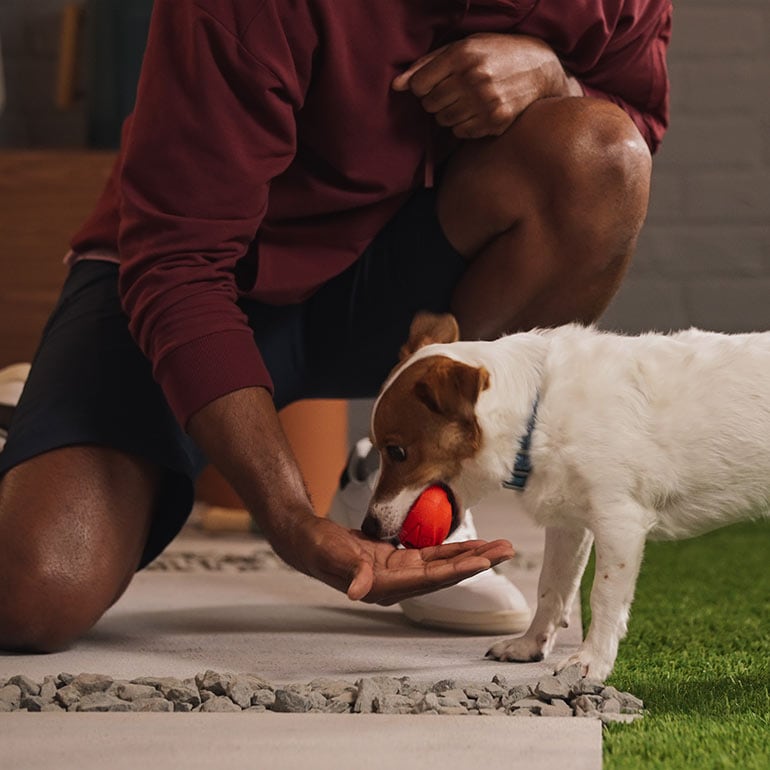
Successfully teaching your dog to fetch requires patience, understanding, and a flexible approach. Difficulties are common, and recognizing potential problems early allows for proactive solutions. Adjusting your training methods to suit your dog’s unique needs and learning style is crucial for progress.Addressing challenges proactively and adapting your training methods are key to success. By understanding the common obstacles and implementing appropriate solutions, you can effectively guide your dog through the learning process.
Remember, every dog learns at their own pace and may require different strategies to reach the same outcome.
Common Mistakes in Fetch Training
Identifying common mistakes early in the training process is vital. These mistakes can hinder your dog’s motivation and learning. Recognizing and rectifying these errors allows for a more efficient and enjoyable training experience.
- Inconsistency in Commands and Rewards: Inconsistency in your commands or reward system can confuse your dog. Clear, consistent communication and timely rewards are crucial for positive reinforcement. For example, if you sometimes use “fetch” for a toy and sometimes for a ball, your dog will be unsure of what you want.
- Insufficient Motivation: A lack of motivation can stem from a lack of interesting or engaging toys. Rotating toys, using high-value treats, or incorporating play into the training can reignite your dog’s interest. Using a variety of toys, such as different textures and colors, can keep the dog engaged.
- Incorrect Timing of Rewards: Rewarding your dog too late or too early for the desired action can lead to confusion and decrease learning effectiveness. Rewarding the dog immediately after the desired action reinforces the behavior and increases the likelihood of repetition.
- Harsh or Punitive Training Methods: Avoid using harsh methods like punishment. This can create fear and anxiety in your dog, hindering their willingness to participate in the training. Positive reinforcement techniques are significantly more effective for establishing a positive learning environment.
Addressing Lack of Motivation
Lack of motivation can be a significant hurdle in fetch training. Several strategies can help rekindle your dog’s enthusiasm.
- Varying the Toys: Using different types of toys, textures, and sizes can keep the dog engaged and excited. Dogs are often motivated by novelty and variety.
- Adding Play and Excitement: Incorporate play into the training sessions. This can include games, tug-of-war, or simply running and playing with your dog before fetch practice. This creates a positive association with training.
- Using High-Value Treats: Using high-value treats can increase motivation. High-value treats are more appealing to dogs than lower-value treats, which will make the dog more interested in the reward.
- Positive Reinforcement: Use praise and petting along with treats to reinforce the desired behavior. Positive reinforcement strengthens the association between the desired action and the reward, encouraging repetition.
Adjusting Training Methods
Individual dogs respond differently to various training approaches. Adapting your techniques to your dog’s learning style is essential for optimal results.
- Consider Your Dog’s Breed and Temperament: Different breeds have varying energy levels and temperaments. High-energy dogs may need more frequent breaks and engaging activities, while low-energy dogs may respond better to shorter, more focused training sessions.
- Adjusting Training Intensity: Start with short, manageable sessions and gradually increase the duration as your dog progresses. Avoid overwhelming your dog with overly intense training sessions.
- Positive Reinforcement Methods: Focus on positive reinforcement methods to build a strong bond and encourage your dog’s cooperation. This will avoid any fear or anxiety during the process.
Importance of Patience and Consistency
Patience and consistency are crucial elements in any dog training endeavor. Maintaining a consistent approach is key to building trust and mutual understanding.
- Consistent Application of Commands: Use the same commands and cues consistently to avoid confusion. This will aid in faster and more accurate responses.
- Regular Practice Sessions: Regular practice sessions are essential for maintaining progress. Consistency reinforces learning and keeps the dog engaged in the training process.
- Celebrate Small Victories: Celebrating small victories reinforces positive behavior and encourages your dog to continue learning. This will build trust and encourage future success.
Comparing Training Methods
Various training methods exist, each with its own advantages and disadvantages.
| Training Method | Pros | Cons |
|---|---|---|
| Positive Reinforcement | Builds a positive association with training, encourages cooperation, avoids fear and anxiety | Can be slower than other methods if not implemented correctly |
| Aversive Training | Can produce quick results in some cases | May lead to fear, anxiety, and aggression in some dogs |
| Clicker Training | Provides immediate and precise feedback, highly effective for shaping behavior | Requires initial investment in a clicker and learning how to use it |
Advanced Fetch Techniques
Mastering fetch beyond the basics involves introducing challenges that engage your dog’s problem-solving skills and enhance their connection with you. These advanced techniques not only improve the dog’s proficiency but also strengthen the bond through shared focus and accomplishment. The focus now shifts to more complex scenarios, requiring a greater degree of recall, focus, and adaptability from both you and your canine companion.
Retrieving Objects from Various Locations
To elevate fetch, introduce varied retrieval points. This could involve retrieving objects from elevated surfaces, like a low table or a dog bed, or from different areas of your yard or park. Gradually increase the complexity of the retrieval locations. Start with familiar, easily accessible spots, and gradually introduce more challenging terrain. Ensure the dog feels comfortable and safe in the new environment.
Managing Excitement
As fetch becomes more engaging, your dog’s enthusiasm may escalate. Maintaining control during these moments is vital. Implementing techniques to manage excitement helps prevent frustration and ensures a positive experience. Employ techniques like rewarding calm behavior during the retrieval process, and employing distraction techniques when excitement becomes overwhelming. These methods will help maintain a positive and controllable training environment.
Improving Recall and Focus
Recall and focus are crucial for successful advanced fetch. Introduce distractions to challenge the dog’s concentration and test their recall. Reward consistent focus and successful recalls, reinforcing the desired behavior. Use positive reinforcement to maintain a high level of focus and commitment during the training sessions. Start with minimal distractions and gradually increase the difficulty to refine recall and focus.
Advanced Fetch Techniques Table
| Advanced Fetch Technique | Explanation | Procedure | Tips for Success |
|---|---|---|---|
| Retrieving from Elevated Surfaces | Teaching the dog to retrieve objects from elevated surfaces, like a table or a bed. | Start with a low surface. Place a toy on the surface and encourage the dog to retrieve it. Gradually increase the height as the dog masters the task. | Ensure the dog feels safe and secure on the surface. Use positive reinforcement and praise. |
| Retrieving Through Obstacles | Teaching the dog to retrieve an object while navigating obstacles. | Create a simple obstacle course, such as a low tunnel or a few small hurdles. Place a toy beyond the obstacle and encourage the dog to retrieve it. | Ensure the dog feels confident and comfortable navigating the obstacle course. Gradually increase the difficulty of the obstacles. |
| Retrieving from Distance | Teaching the dog to retrieve an object from a significant distance. | Gradually increase the distance from which the dog needs to retrieve the object. Start with short distances and progressively increase the distance. | Use consistent commands and positive reinforcement. Maintain your dog’s attention and motivation. |
| Retrieving Multiple Objects | Teaching the dog to retrieve multiple objects simultaneously or in sequence. | Start with retrieving two objects and progressively increase the number. Place the objects at different locations to further challenge the dog. | Use clear commands to differentiate between the objects. Keep the dog focused and motivated. |
Maintaining the Skill
Maintaining a dog’s fetch skill requires ongoing effort and a proactive approach. Simply teaching the command once and expecting consistent performance is often insufficient. Regular practice and a mindful training strategy are key to preventing regression and keeping your canine companion engaged and motivated.A well-maintained fetch skill demonstrates a strong bond between dog and owner, providing shared enjoyment and promoting a healthy physical and mental state for the animal.
A dedicated approach to maintenance also minimizes the likelihood of the dog losing interest or exhibiting decreased performance.
Strategies for Long-Term Motivation
Maintaining enthusiasm is crucial for a dog’s continued engagement in fetch. Introducing variations in the training environment, such as changing locations or using different types of toys, can reinvigorate interest. This approach keeps the activity novel and exciting, preventing the dog from becoming bored.
Incorporating Fetch into Daily Routine
Regular practice sessions are vital for maintaining the skill. Scheduling short, focused training sessions throughout the day, rather than one lengthy session, can be highly effective. Short sessions are more likely to keep the dog’s attention and prevent fatigue. The sessions should also be adjusted according to the dog’s age and breed, ensuring they are not overexerted.
Importance of Regular Practice and Review Sessions
Consistent review sessions are essential. Even a brief review session once a week can help reinforce the learned behavior and maintain the skill. This approach ensures the dog doesn’t forget the commands or lose the enthusiasm for the activity. Incorporating review sessions into the routine will maintain the skill.
Adapting Training Based on Age and Breed
Different breeds and age groups require tailored training approaches. A puppy, for instance, will have a shorter attention span compared to an adult dog. Breeds known for high energy, such as Border Collies, might need more frequent and varied fetch sessions to maintain interest. Older dogs may need shorter sessions and a more gradual pace to prevent overexertion.
Adapting the training intensity and frequency to the individual dog’s physical capabilities is critical.
Preventing Regression
Regression in fetch skills can stem from a lack of motivation, insufficient practice, or changes in the dog’s environment. Maintaining a consistent routine and ensuring the dog’s ongoing interest are key to preventing regression. Regular reward systems and praise are essential to keep the dog motivated and engaged in the activity. Addressing any underlying issues, such as potential health problems or stress, is also vital to maintaining the fetch skill.
Ending Remarks
In conclusion, mastering the art of teaching your dog to fetch requires patience, consistency, and a deep understanding of canine behavior. This guide has provided a comprehensive framework, covering everything from initial training to advanced techniques and troubleshooting common challenges. By implementing the strategies Artikeld, you can cultivate a strong bond with your dog while enjoying the shared joy of a well-trained and enthusiastic fetch partner.