Puppy leash training is a crucial aspect of responsible pet ownership, fostering a strong bond between you and your furry friend. This comprehensive guide provides a step-by-step approach to effectively teach your puppy to walk politely on a leash, from initial preparation to advanced techniques. Early socialization and consistent training are key to shaping a well-behaved and happy companion.
This guide delves into the essentials of puppy leash training, covering various aspects such as choosing the right equipment, establishing positive reinforcement strategies, and addressing common challenges. Understanding your puppy’s needs and responding appropriately will lead to a smoother and more enjoyable training experience for both of you.
Introduction to Leash Training
Leash training for puppies is a crucial aspect of responsible pet ownership. It involves teaching a puppy to walk politely and safely alongside their owner on a leash, preventing pulling and ensuring a positive and controlled experience for both the puppy and the owner. This training is vital for the puppy’s safety and well-being, and for establishing a foundation for future obedience and good manners.Early socialization and consistent leash training positively influence a puppy’s development.
A well-trained puppy is less likely to exhibit fearful or aggressive behaviors, and is better equipped to navigate various social situations. A properly trained puppy will also be more receptive to learning new commands and behaviors in the future. This early training fosters a strong bond between owner and puppy, building trust and mutual understanding.
Importance of Early Socialization and Leash Training
Early socialization is essential for a puppy’s overall development, shaping their temperament and behavior. Exposing puppies to various sights, sounds, and experiences at a young age helps them become well-adjusted and confident adults. Leash training, integrated with socialization, provides opportunities for controlled interactions with other dogs and people. This controlled exposure, guided by the owner, builds the puppy’s confidence and resilience.
Benefits of Consistent Leash Training
Consistent leash training offers numerous benefits for both the puppy and the owner. For the puppy, it enhances safety by preventing them from running into the street or getting lost. It also teaches them self-control and responsiveness to commands. For the owner, it creates a more pleasant and manageable walking experience, reducing the risk of injury or strain from pulling.
A well-trained puppy is a joy to walk and to take on adventures with.
Types of Leashes and Harnesses for Puppies
Selecting the right leash and harness is crucial for both the puppy’s comfort and the effectiveness of training. Different types offer varying levels of control and support, impacting the training process. Choosing the appropriate gear is vital for a positive experience.
Comparison of Leash Types
| Leash Type | Pros | Cons |
|---|---|---|
| Flat Leash | Provides good control, relatively inexpensive, easy to use. | Can be less comfortable for the puppy, potentially less effective for very strong pullers. |
| Retractable Leash | Offers convenience and freedom, allowing the puppy more space. | Less control over the puppy’s movement, can be problematic if the puppy pulls strongly. |
| Harness Leash | Distributes pulling force across the puppy’s torso, often more comfortable for the puppy. Reduces pulling and helps teach the puppy to walk nicely. | Can be more expensive than flat leashes, may take some time to get the puppy accustomed to wearing it. |
| Head Halter | Provides excellent control, especially for strong pullers, as it targets the puppy’s head. | Can be uncomfortable for some puppies, may be perceived as aversive by some. |
Preparing for Leash Training
A well-prepared approach to leash training significantly increases the likelihood of a positive and successful experience for both you and your puppy. Careful consideration of the necessary supplies and the creation of a supportive training environment will set the stage for a smooth transition to leash walking. By understanding the importance of the right equipment and fostering patience, you can build a strong foundation for your puppy’s leash manners.Effective leash training involves more than just attaching a leash and walking.
A crucial component is preparation. This involves thoughtful selection of the right equipment, establishing a positive training environment, and ensuring your puppy is comfortable and ready to learn. This detailed preparation will enable you to train your puppy with confidence and create a positive association with leash walks.
Essential Supplies for Leash Training
Proper equipment is essential for a successful leash training program. This encompasses collars, leashes, harnesses, and other training aids. Choosing the right gear ensures comfort and safety for your puppy. The appropriate equipment will make the training process enjoyable for both of you.
- Leash: A lightweight, durable leash is crucial. Nylon leashes are popular due to their durability and affordability. Consider a leash length appropriate for your puppy’s size and the training environment. A six-foot leash is often a good starting point, allowing for maneuverability and control.
- Collar: A well-fitting collar is necessary for leash training. A slip collar is not recommended for inexperienced owners, as it can be overly restrictive if used improperly. A harness is often a better alternative for safety and comfort, especially for puppies.
- Harness: A comfortable and well-fitting harness is vital for the safety and well-being of your puppy. Look for a harness with secure straps and appropriate padding to prevent discomfort or injury. Consider a harness that is easy to put on and take off for your puppy.
Choosing the Right Leash and Collar
The type of leash and collar directly influences the puppy’s comfort and safety. Selecting the correct equipment will encourage a positive experience and foster good habits.
- Leash Material: Choose a durable material that resists breakage and is easy to hold. Nylon is a common, reliable choice. Avoid overly flimsy or brittle materials.
- Collar Fit: Ensure the collar fits snugly but doesn’t restrict the puppy’s breathing or movement. Measure your puppy’s neck regularly as they grow. A properly fitting collar prevents discomfort and injury.
Importance of a Comfortable Harness
A well-fitting harness is a crucial aspect of puppy training. A harness that fits correctly ensures comfort and safety for your puppy, which is critical for a positive experience.
- Comfort: A comfortable harness prevents chafing and pressure points, which can make walking uncomfortable for the puppy. Look for harnesses with padding and secure straps.
- Safety: A well-designed harness distributes pressure evenly across the body, reducing the risk of injury if the puppy pulls. This is a critical safety consideration.
Measuring Your Puppy’s Size for the Leash
Accurate measurement is essential for selecting the correct leash length. The length should be appropriate for the training environment and your puppy’s size.
- Precise Measurement: Measure your puppy’s body length and adjust the leash length accordingly. Consider the training area’s size when selecting the leash. Too long a leash can lead to difficulties in controlling your puppy.
- Adjusting for Growth: Puppies grow rapidly, so regularly measure your puppy’s size to ensure the leash remains appropriate as they develop.
Patience and Positive Reinforcement
Patience and positive reinforcement are key to successful leash training. A calm and consistent approach encourages the puppy to learn and associate leash walks with positive experiences.
“Positive reinforcement techniques, such as rewarding desired behaviors, are more effective than punishment.”
- Consistency: Consistency in your approach to training is crucial for your puppy’s understanding. Regular training sessions will help build confidence and positive associations.
- Reward System: Reward desired behaviors like walking calmly on the leash. This will motivate your puppy to repeat the desired actions. Treats and praise are effective rewards.
Checklist for Preparing for Leash Training
A comprehensive checklist can streamline the preparation process. By following this checklist, you can ensure you have everything necessary to start leash training successfully.
- Select a comfortable harness.
- Choose a suitable leash.
- Measure your puppy’s neck and body size.
- Ensure a positive and supportive training environment.
- Have high-value treats readily available.
- Prepare for regular training sessions.
Basic Leash Training Exercises
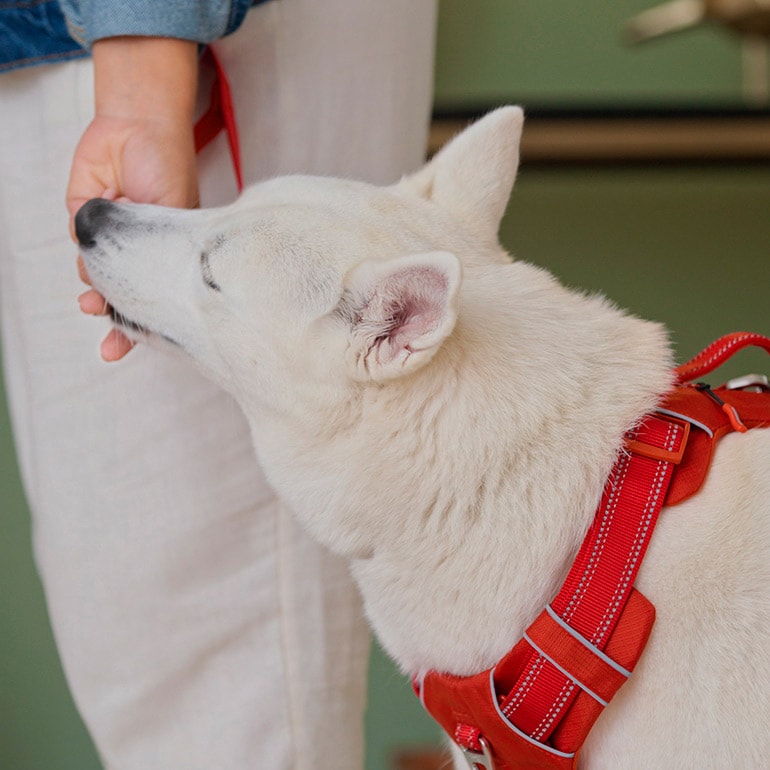
Successfully leash training a puppy involves establishing clear communication and building a positive association with the leash. These fundamental exercises form the foundation for a well-behaved and confident dog on leash. Mastering these skills will greatly enhance your puppy’s comfort and responsiveness during walks.
Fundamental Leash Training Exercises
These exercises are crucial for teaching your puppy basic leash manners and establishing a positive association with the leash. Understanding these exercises will allow you to build a reliable and responsive companion.
- Walking on a Loose Leash: This is the cornerstone of leash training. A loose leash means your puppy is walking comfortably beside you, not pulling or dragging. This allows for a pleasant and controlled walk for both of you.
- Responding to “Heel”: The “heel” command instructs your puppy to walk beside you on the leash, maintaining a consistent position. This ensures control and prevents pulling, allowing you to navigate safely and effectively. This command is crucial for managing your puppy’s movement.
- Responding to “Wait” or “Stay”: These commands are vital for maintaining control during distractions. The “wait” or “stay” command ensures your puppy remains stationary in a designated spot, even when encountering interesting sights or sounds. It builds impulse control and allows for safer interactions with other dogs or people.
- “Come” Command: A crucial command, “come” allows you to recall your puppy safely and reliably. This command is essential for safety in various situations, such as when your puppy is approaching a dangerous area or you need to bring them back.
- “Leave It”: This command is crucial for teaching your puppy to ignore distractions or unwanted objects. The “leave it” command teaches impulse control and helps prevent unwanted behaviors. This is useful when your puppy encounters interesting smells or tempting treats.
Positive Reinforcement Methods
Positive reinforcement methods focus on rewarding desired behaviors. This approach fosters a positive association with training, making the learning process more enjoyable for both you and your puppy. It’s important to remember that consistency and patience are key to success.
- Rewarding Desired Behaviors: Use high-value treats, praise, or toys to reinforce behaviors like walking on a loose leash or responding to commands. This positive reinforcement builds a strong association between the desired behavior and the reward.
- Consistency in Cues: Use the same cue consistently for each command to avoid confusion. This will allow your puppy to understand what you expect from them. This consistency is vital for a well-trained puppy.
- Short Training Sessions: Keep training sessions short, engaging, and positive. Short, frequent sessions maintain your puppy’s attention and prevent frustration. This is essential to maintain your puppy’s interest in training.
- Avoiding Punishment: Punishment methods are ineffective and can create fear or anxiety in your puppy. Focus on positive reinforcement to encourage desired behaviors. Avoid harsh methods as they can damage your relationship with your puppy.
Leash Training Table
| Exercise | Cue | Training Technique |
|---|---|---|
| Walking on a Loose Leash | (No specific cue, but consistent movement) | Reward when the leash is loose. Use gentle corrections and redirect if pulling. |
| Responding to “Heel” | “Heel” | Position yourself and your puppy so their body is next to yours, reward consistent heel position. |
| Responding to “Wait” or “Stay” | “Wait” or “Stay” | Use a hand signal and verbal cue, reward for holding position. |
| “Come” Command | “Come” | Use a high-value reward and enthusiastic calling to encourage your puppy to come. |
| “Leave It” | “Leave It” | Present the item, say “leave it,” and immediately reward with a preferred item. |
Building on Basic Leash Training
Successfully establishing basic leash manners is a crucial first step. Now, we’ll explore how to progress from these fundamentals to more advanced training, including strategies for introducing distractions and maintaining consistency.Building upon the foundational commands and behaviors you’ve already established, you can progressively introduce more complex scenarios and commands. This approach allows your puppy to gradually increase its understanding of leash etiquette and builds confidence in both the puppy and handler.
Progressive Introduction of More Complex Commands
Mastering basic commands like “heel,” “walk,” and “leave it” forms a strong foundation for advanced leash training. Building on these, you can introduce commands like “stay,” “wait,” and “come.” Gradually increasing the duration and complexity of these commands strengthens the puppy’s understanding and responsiveness. Begin with short intervals and gradually increase the duration of the commands, rewarding consistent responses.
For instance, start with a “stay” command for a few seconds, then progressively increase the duration as the puppy demonstrates understanding.
Introducing Distractions
Introducing distractions is a vital part of real-world leash training. A puppy that only responds to commands in a controlled environment may struggle when faced with the numerous stimuli of a park or a busy street. Start by introducing mild distractions like a passing person or a dog toy. Begin in a low-distraction environment and progressively increase the level of distraction as the puppy demonstrates reliability.
Use positive reinforcement, rewarding the puppy for maintaining focus and obeying commands despite the distractions. Use high-value treats to encourage focus in a distracting environment.
Maintaining Consistency in Training Sessions
Maintaining consistent training is essential for success. This means sticking to a regular schedule, using the same commands, and maintaining a positive and encouraging attitude throughout each session. Consistency builds predictability and reinforces learning for the puppy. Consistency also helps the puppy learn to associate specific behaviors with particular outcomes. Avoid inconsistent feedback or changing commands mid-session.
Short, frequent training sessions are more effective than long, infrequent ones. Ensure all family members involved in the puppy’s care use the same commands and reinforcement methods.
Common Mistakes to Avoid
- Inconsistency in commands and rewards: Inconsistency in verbal cues or rewards confuses the puppy, hindering learning. Use consistent commands and rewards to reinforce desired behaviors.
- Over-correcting: Punishing the puppy for mistakes can cause fear and anxiety, negatively impacting the training process. Focus on positive reinforcement instead of punishment.
- Using excessive force or pressure: Excessive force or pressure can scare and traumatize the puppy, hindering the learning process. Focus on positive reinforcement and guidance to encourage desired behavior.
- Lack of patience: Training a puppy takes time and patience. Rushing the process will not yield effective results. Be patient and consistent in your approach.
- Ignoring the puppy’s body language: Paying attention to the puppy’s body language can indicate discomfort, stress, or lack of understanding. Adjust your training approach accordingly.
Handling Common Challenges

Leash training, while rewarding, can present various challenges. Understanding these common difficulties and employing effective strategies is crucial for a positive training experience for both you and your puppy. Addressing these issues promptly and consistently will strengthen your bond and ensure a safe and enjoyable walking experience.Successfully navigating these challenges requires patience, consistency, and a positive reinforcement approach.
A calm and confident demeanor from the handler is vital to help the puppy stay focused and relaxed on the leash. The focus should be on teaching desirable behaviors and redirecting unwanted ones rather than punishment.
Pulling
Pulling on the leash is a common issue during leash training. This often stems from excitement, lack of understanding of leash etiquette, or a lack of clear communication from the handler. Addressing the root cause is key to overcoming pulling.
- Identify the Cause: Observe your puppy’s behavior before, during, and after walks. Are they excited by sights and smells? Are they unsure of what is expected of them? Are they overwhelmed by stimuli?
- Manage Distractions: Gradually expose your puppy to controlled distractions, increasing the difficulty as they master each step. Short, frequent walks can be more manageable for puppies.
- Positive Reinforcement: Reward calm behavior. If your puppy walks calmly beside you for a few seconds, reward them immediately with a treat, praise, or a favorite toy. This reinforces the desired behavior.
- Use a Front-Clip Harness: A front-clip harness can help redirect pulling behavior as it changes the puppy’s perspective and encourages a more balanced gait.
Anxiety and Fear
Anxiety or fear can manifest as pulling, hesitation, or even aggression on the leash. Understanding the source of the anxiety is crucial. Avoid pushing the puppy beyond their comfort level.
- Identify the Trigger: Pay close attention to your puppy’s body language. What sights, sounds, or smells elicit a fearful response? Note the environment, and take gradual steps.
- Gradual Exposure: Gradually expose your puppy to the trigger in a controlled environment, starting at a distance where they remain calm. Reward calmness and avoid forcing the issue.
- Desensitization and Counter-Conditioning: Combine gradual exposure with positive reinforcement and desensitization techniques to associate the trigger with positive experiences.
- Professional Guidance: If anxiety persists, consider consulting a certified dog trainer or veterinary behaviorist.
Distractions
Distractions are inevitable during walks. Teaching your puppy to focus on you, despite the surrounding environment, is vital.
- Maintain Focus: Utilize high-value rewards to capture your puppy’s attention when they are focused on you. This strengthens the association between attention and reward.
- Short Walks: Begin with short, frequent walks in less distracting environments. As your puppy masters these, gradually increase the duration and complexity of walks.
- Consistency and Patience: Consistency is key. Regular, positive reinforcement training will help your puppy become more attentive over time.
Specific Behavioral Issues
Specific behavioral issues, such as leash reactivity or aggression, may require professional intervention. Don’t hesitate to seek help from a qualified professional.
Maintaining Leash Training
Leash training is not a one-time event; it’s an ongoing process requiring consistent effort and adaptation. Maintaining the positive behaviors your puppy has learned is crucial for a safe and enjoyable experience for both of you. This involves reinforcement, consistency, and an understanding of how to adapt to various environments and challenges.Effective leash training relies on reinforcement, consistency, and adaptability.
This ensures your puppy’s comfort and safety while walking on a leash, while minimizing any potential regression. A structured approach, including a daily routine, further enhances the learning process and reinforces good habits.
Importance of Ongoing Training and Reinforcement
Reinforcing good leash manners is vital for long-term success. Regular practice reinforces the desired behaviors, making them automatic responses rather than learned actions. This repeated positive reinforcement builds a stronger association between the desired behavior (walking calmly on a leash) and the reward (treats, praise, or play). Without continued reinforcement, learned behaviors can fade or be replaced by unwanted ones.
Positive reinforcement methods are crucial to motivate and maintain good behavior.
Maintaining Consistency in Training Sessions
Consistency in training is paramount. A predictable routine helps the puppy understand expectations and respond appropriately. This includes using the same commands, leash length, and reward system during each session. Varying the approach can confuse the puppy and hinder progress. Consistency fosters a predictable and reliable learning environment.
Adapting Training to Different Environments and Situations
Training should adapt to different environments and situations. For instance, training in a park will differ from training in a busy street. Practice in various settings—from quiet residential areas to crowded parks—helps your puppy generalize the learned behaviors. This generalization is crucial for handling diverse situations with confidence. Introducing distractions gradually is key to success in various environments.
Preventing Regression in Learned Behaviors
Regression in learned behaviors is a possibility. This could stem from changes in environment, introducing new distractions, or a lack of consistent training. To counter this, continue practicing the skills in various settings and ensure the puppy remains motivated. Reviewing previously learned skills will help reinforce them and prevent a return to undesirable behaviors. Regular training sessions maintain the learned behaviors and build confidence.
Importance of Reward Systems in Maintaining Good Leash Manners
Reward systems are critical in maintaining good leash manners. Positive reinforcement techniques, like treats, praise, and play, motivate the puppy to repeat desired behaviors. A variety of rewards can be used to keep the training engaging. Effective rewards can be used to motivate the puppy and maintain good leash manners.
Structured Daily Training Routine
A structured daily training routine enhances the effectiveness of leash training. This routine should include short, frequent training sessions. Short sessions maintain focus and prevent frustration. A daily schedule will help your puppy develop consistency in its response to commands and cues. Include a variety of exercises to keep the training engaging.
- Morning Session (15 minutes): Focus on basic commands (sit, stay, come) and leash walking in a quiet area. Reward positive responses.
- Afternoon Session (10 minutes): Practice leash walking in a slightly more distracting environment (e.g., a quiet park). Increase the duration of stays and commands.
- Evening Session (10 minutes): Review previously learned skills in a familiar environment. Maintain consistency in commands and reward responses.
Advanced Leash Training Techniques
Once your puppy has mastered basic leash training, you can progress to more advanced techniques. These techniques build upon the foundation of positive reinforcement and focus on developing a more independent and responsive walking companion. This stage involves introducing distractions, practicing in various environments, and managing leash reactivity, all while maintaining a calm and confident approach.Advanced training emphasizes not just obedience, but also your puppy’s understanding of your cues and their ability to focus on you amidst distractions.
This allows for a more enjoyable and reliable walking experience for both you and your furry friend.
Introducing Complex Distractions
Building on your puppy’s existing focus, progressively introduce more complex distractions. Start with low-level distractions like a passing bicyclist or a child playing nearby. Reward your puppy for maintaining focus on you. Gradually increase the level of distraction. Consistency and patience are crucial here.
Use high-value rewards to keep your puppy engaged.
Managing Leash Reactivity
Leash reactivity can arise when your puppy reacts negatively to specific stimuli, such as other dogs or loud noises. It is crucial to understand the trigger to address reactivity effectively. Identify the specific triggers and work on desensitization and counter-conditioning techniques. This approach involves gradual exposure to the triggers while rewarding calm and appropriate responses. Consult with a professional dog trainer for assistance if needed.
Teaching Loose-Leash Walking
Loose-leash walking involves maintaining a relaxed leash without pulling. To achieve this, use the ‘heel’ position and reward your puppy for walking beside you without pulling. Use consistent commands and rewarding good behaviour to reinforce the desired response. Maintain a positive and patient attitude.
Step-by-Step Guide to Teaching Heel
- Start in a quiet environment. Place your puppy to your left side and stand facing forward. Hold the leash loosely in your left hand, and your right hand ready to give a treat.
- Use a verbal cue, such as “heel,” as your puppy moves beside you. If they move ahead, gently redirect them back to your side with the leash and verbal cue.
- Reward immediately with a treat and praise for walking beside you.
- Gradually increase the distance and distractions. If your puppy pulls, stop, and go back to the previous step.
- Practice frequently in different environments.
Consistency is key to successful heel training. Positive reinforcement techniques, like rewarding good behaviour, are essential.
Resources for Further Learning
- Books: Numerous books provide comprehensive guides to puppy training and leash walking. Consult your local bookstore or online retailers for suitable titles.
- Online Courses: Online courses offer interactive lessons and support, making learning more engaging. Search for reputable dog training websites or platforms.
- Professional Trainers: Working with a certified dog trainer provides personalized guidance and support. Consider local trainers with positive reinforcement expertise.
Utilizing these resources can provide additional support in your puppy’s training journey.
Visual Aids and Examples
Visual aids play a crucial role in understanding and effectively applying leash training techniques. They provide tangible representations of desired behaviors and common challenges, facilitating a clearer comprehension of the training process. By observing and analyzing these examples, both owners and their puppies can learn to identify and respond to cues and behaviors more effectively.
Puppy Walking Calmly on a Leash
Visualizing a puppy walking calmly on a leash involves several key elements. The puppy’s posture should be relaxed and upright, not hunched or tense. Their movement should be steady and controlled, not jerky or erratic. The leash should be held loosely in the handler’s hand, allowing the puppy to move freely without being yanked or restricted. This calm demeanor is often exhibited when the puppy is focused on the handler and the surroundings, rather than distracted by external stimuli.
The handler’s body language should also project calmness and encouragement. For example, the handler could be standing tall with a slight forward lean, maintaining eye contact with the puppy and not allowing their own body to project fear or anxiety. This visual representation depicts a well-managed training session. Different environments can be illustrated: a quiet park, a busy street corner, or even a crowded pet store.
In each case, the puppy demonstrates composure and responsiveness to the handler’s cues.
Puppy Exhibiting Leash Pulling Behavior
Leash pulling behavior in a puppy is characterized by an eagerness to explore the environment, a tendency to focus on external stimuli, or a lack of understanding of the handler’s cues. The puppy’s posture is often strained, pulling on the leash with force. Their attention is frequently directed away from the handler, towards scents or other stimuli in the environment.
The puppy’s movement is often jerky and unpredictable, with sudden stops and starts, often reacting to stimuli. This behavior can be observed in various scenarios, such as encountering a squirrel or other dog, or even when the puppy is simply excited. The handler’s body language might be reactive, potentially increasing the puppy’s pulling behavior. For example, if the handler is tense or frustrated, the puppy might perceive it as an invitation to continue pulling.
Visualizing this behavior helps owners recognize the cause and develop strategies to modify it.
Puppy Responding Positively to Training
A puppy responding positively to training is demonstrated by clear engagement with the handler’s cues and rewards. The puppy displays a relaxed demeanor, paying attention to the handler’s instructions and body language. The puppy responds to verbal cues or hand signals promptly and accurately. The puppy’s movement becomes more controlled and focused on the handler. The puppy anticipates the reward and performs the desired behavior eagerly.
The handler’s tone of voice and body language are crucial to reinforcing positive responses. For example, a happy, encouraging tone will help reinforce the positive behavior. The puppy learns to associate the desired behavior with a positive outcome. This response is evident in various settings, from a home environment to a public space.
Reward System Graphic Representation
A reward system can be visualized using a simple graphic, such as a bar chart or a series of progressively increasing points. The horizontal axis represents the desired behaviors, and the vertical axis shows the associated rewards. For instance, a small, visual reward (a small treat or a verbal praise) can be assigned for basic obedience, while more substantial rewards (a larger treat or an extended play session) are given for more complex behaviors.
This system clearly depicts the escalating value of rewards for each behavior. The graphic emphasizes the importance of consistency in rewarding desired actions. The progression and reward amounts can be adjusted to suit the puppy’s learning pace and behavior.
Training Session with Successful New Behavior
A training session demonstrating successful teaching of a new behavior involves the handler providing clear and consistent cues. The handler should use a positive reinforcement approach, rewarding the puppy immediately after the desired action. For example, the handler can demonstrate the new behavior, like “sit”, and reward the puppy with a treat as soon as they achieve the correct posture.
The handler should be patient and repeat the training session until the puppy understands and performs the desired action consistently. Visual cues and hand signals play a critical role in this process. The puppy’s response to the cues should be clear and consistent, indicating that the new behavior has been successfully learned. The environment should be supportive and free of distractions to help the puppy focus.
Visual Cues and Hand Signals
Visual cues and hand signals are crucial components of leash training. Clear hand signals and verbal commands help the puppy understand what is expected. For instance, a hand signal for “sit” might involve holding your hand out, palm up, and slightly below the puppy’s nose, gently guiding it down to the ground. A “stay” signal might involve holding your hand out, palm up, with a slight upward tilt, and the body facing forward.
The signals should be consistent and repeated frequently. Visual cues are complemented by verbal commands, creating a strong learning association. The consistency of these signals enhances the training’s effectiveness.
Ultimate Conclusion
In conclusion, successfully leash training a puppy is a journey of patience, consistency, and positive reinforcement. By following the comprehensive steps Artikeld in this guide, you can equip your puppy with the skills to navigate different environments and situations with confidence and composure. Remember that consistency and a positive attitude are paramount to achieving your goals. This guide provides a robust framework for success, allowing you to tailor the training to your puppy’s specific needs and preferences.