Teaching your dog the “play dead” command is a rewarding experience for both you and your canine companion. This comprehensive guide provides a structured approach, incorporating positive reinforcement techniques and safety considerations. Understanding your dog’s breed characteristics can significantly impact the training process, as Artikeld in the following sections.
From essential equipment and supplies to step-by-step training methods, this guide offers practical advice for every stage of the learning process. We will delve into strategies for troubleshooting common challenges and maintaining the learned behavior, ensuring long-term success in your training journey.
Introduction to Dog Training for Play Dead
Positive reinforcement is a cornerstone of effective dog training. It focuses on rewarding desired behaviors rather than punishing undesirable ones. This approach builds a strong, trusting relationship between dog and handler, fostering a positive learning environment. Dogs learn best when they associate good actions with positive consequences, leading to more reliable and enjoyable training sessions.Teaching a dog the “play dead” command can be incredibly beneficial.
It’s a fun trick that demonstrates your dog’s obedience and responsiveness. Beyond the amusement value, it also helps build focus, improve impulse control, and can be a great way to teach your dog to respond to commands in novel situations. This trick also promotes a calm demeanor in your dog, especially helpful for those who may be prone to excitement or anxiety.
Safety Considerations in Dog Training
Ensuring a safe and positive training environment is paramount. Physical punishment should be strictly avoided. It can cause fear, anxiety, and aggression in your dog, hindering the learning process and potentially damaging the bond between you. Instead, focus on rewarding desired behaviors with positive reinforcement methods. This includes treats, praise, and gentle encouragement.
Dog Breed Variations in Play Dead Training
Different breeds exhibit varying energy levels and temperaments, which can influence their learning capacity for the “play dead” command. Some breeds might require more patience than others due to their individual traits. This table illustrates potential variations in training based on breed characteristics.
| Breed | Energy Level | Potential Challenges |
|---|---|---|
| German Shepherd | High | Potential for distraction, requiring a focused training environment and a consistent reward system. German Shepherds are intelligent, but their high energy can make concentration difficult. Consider using more engaging and varied training methods to maintain their attention. |
| Labrador Retriever | High | May require more patience due to their eagerness to please and their desire to engage in play. Consistent reinforcement and a calm demeanor from the trainer will be essential for success. A more structured and planned approach to training might be beneficial. |
| Basset Hound | Low | May be slow to respond, possibly requiring a more relaxed training pace and patience. A gradual introduction to the commands and rewards, alongside frequent praise and gentle encouragement, is recommended. |
Essential Equipment and Supplies
Proper equipment is crucial for a successful and safe dog training experience. A well-chosen set of tools can significantly enhance your dog’s learning and your ability to effectively communicate with them. Investing in high-quality, appropriate supplies will pay dividends in the long run.
Essential Training Tools
A comprehensive training arsenal includes more than just treats. Essential tools for teaching your dog commands, including “play dead,” are crucial for safety, control, and communication. These tools can help you guide your dog through the training process effectively and safely. Basic tools include a leash, collar, and reward-based treats.
Reward-Based Treats
Reward-based training is a cornerstone of positive reinforcement. Using treats strategically strengthens desired behaviors and motivates your dog to learn. Choosing the right treats is important, as they should be small, easily digestible, and nutritious.
- High-Value Treats: These are particularly effective during training sessions. Examples include small pieces of cooked chicken, jerky treats, or small bits of cheese. These should be offered sparingly, as they can be calorie-dense and lead to weight gain.
- Grain-Free Treats: If your dog has dietary restrictions or sensitivities, grain-free treats are a good option. Look for treats that are made from natural ingredients, such as meat, vegetables, or fruits.
- Nutritional Considerations: Select treats that are low in sugar and high in protein, providing essential nutrients without excessive calories. Check ingredient lists for added sugars, fillers, and artificial preservatives.
Dog Training Collars and Leashes
The right collar and leash are essential for controlling your dog during training, ensuring both safety and effective communication. The type you choose should match your dog’s size, breed, and temperament, as well as your training goals.
| Collar Type | Description | Pros | Cons |
|---|---|---|---|
| Harness | A harness fits around the dog’s chest and torso. | Good for safety and control. Reduces pressure on the neck, which is beneficial for dogs with sensitive necks or those prone to pulling. | May be more expensive than a flat collar, can be bulky, and may not fit all breeds comfortably. |
| Flat Collar | A simple collar that fits around the dog’s neck. | Affordable and easy to use. | Less control than a harness, especially with dogs who pull on the leash. Can put stress on the neck if not fitted properly, and may not be as safe for certain breeds. |
| Martingale Collar | A collar that has a loop and a tightening mechanism. | Provides control while reducing the risk of choking, helpful for dogs that pull. | Can be uncomfortable if not fitted correctly. |
Step-by-Step Training Method

Teaching a dog the “play dead” command requires a patient and positive approach. This method emphasizes gradual progression and positive reinforcement, ensuring a fun and rewarding experience for both you and your canine companion. Understanding the nuances of lure-based training and shaping behavior is crucial for success.Gradual progression and positive reinforcement are paramount in shaping desired behaviors. This approach minimizes frustration for the dog and fosters a strong bond between you and your pet.
By rewarding each small step forward, the dog learns to associate the desired action with positive outcomes. This creates a positive learning environment that encourages cooperation and enthusiasm.
Lure-Based Training
Lure-based training involves using a desirable treat or toy to guide the dog towards the desired action. This method is particularly effective for teaching new commands as it provides a clear visual cue. A motivating treat or toy, held near the desired body position, acts as a visual guide, prompting the dog to move into the play dead posture.
Ensure the treat is readily available and highly appealing to your dog.
Shaping the Behavior Using Successive Approximations
Shaping involves rewarding successive approximations of the desired behavior. Start with actions that resemble the “play dead” position. For example, rewarding the dog for lying down, then for lying down with its front paws tucked underneath, and finally for lying down with its front paws tucked and its back legs extended. Each step closer to the final position is rewarded, reinforcing the desired progression.
This method allows the dog to gradually understand and perform the complete “play dead” command.
Introducing Distractions Gradually
Introducing distractions is crucial to ensure the command’s reliability. Start in a quiet environment with minimal distractions. Once the dog consistently performs the “play dead” command reliably, gradually introduce controlled distractions. This might involve a softly spoken word, a softly moving object, or a gentle sound. As the dog demonstrates consistency, increase the level of distraction until the dog performs the command in more complex environments.
For example, begin by practicing the command in a quiet room, then gradually move to a room with a few toys, and then a room with other people present. By gradually increasing the distractions, you will ensure the command remains consistent, regardless of the surroundings.
Troubleshooting Common Challenges
Successfully teaching a dog the “play dead” command requires patience and understanding. Owners may encounter various obstacles during training, from initial resistance to distractions and excitement. Addressing these challenges effectively is crucial for a positive and successful learning experience for both the dog and the owner. A well-structured approach, combined with consistent reinforcement, can help overcome these obstacles.Effective troubleshooting involves identifying the root cause of the issue and tailoring strategies to address it.
Understanding a dog’s perspective and motivations can significantly improve the training process. By understanding potential pitfalls and implementing appropriate solutions, owners can navigate challenges and guide their dogs toward mastery of the command.
Common Mistakes by Owners
Owners often make errors in their approach, such as inconsistent commands or rewarding the wrong behaviors. This inconsistency can confuse the dog and hinder their learning process. For example, if an owner sometimes rewards the dog for lying down but not fully complying with the “play dead” cue, the dog may not fully understand the expected behavior. Another frequent mistake is employing punishment-based methods, which can create fear and anxiety, ultimately hindering progress.
It’s important to focus on positive reinforcement techniques and create a supportive learning environment.
Addressing Dog Resistance or Disobedience
Resistance to learning “play dead” can stem from various factors, including lack of motivation, fear, or confusion. If a dog displays resistance, it is essential to analyze the underlying cause. If the dog is hesitant, owners should try breaking the task into smaller, achievable steps, gradually increasing the complexity. This approach fosters a sense of accomplishment and encourages continued engagement in the training.
For instance, rewarding the dog for lying down, then adding the ‘dead’ posture, and finally incorporating the cue, will be more successful.
Dealing with Distractions
Distractions are inevitable during training sessions. To manage distractions effectively, it’s vital to select a quiet, controlled environment for initial training sessions. As the dog progresses, gradually introduce controlled distractions, such as soft toys or gentle noises, while continuing to reinforce the desired behavior. It’s crucial to avoid overly complex environments until the dog demonstrates a solid understanding of the command in a distraction-free setting.
For example, start in a quiet room and then slowly transition to slightly noisier environments. Each step should build upon the last.
Managing Overly Excited Dogs
Overly excited dogs can struggle to focus on the training task. A key strategy for managing excitement is to establish a calm environment before starting. Owners should ensure the dog is well-rested and not overly hungry or tired. Using calming cues and techniques can help reduce the dog’s arousal level. Owners can also employ a technique known as “waiting it out.” If the dog is too excited, patiently wait for them to calm down before resuming the training session.
This technique allows the dog to regulate their excitement and engage more effectively in the learning process. Short, frequent training sessions are preferable to long, exhausting ones for highly excitable dogs.
Maintaining the Learned Behavior
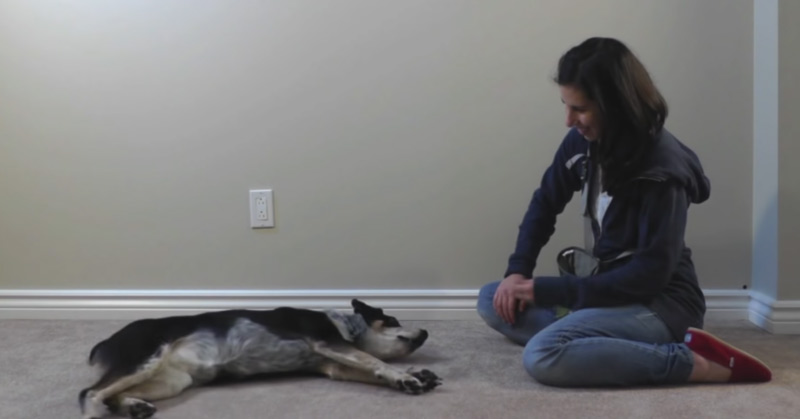
Successfully teaching your dog the “play dead” command is only the first step. Maintaining this learned behavior requires consistent reinforcement and integration into everyday activities. This crucial phase ensures your dog doesn’t simply forget the trick but actively continues to associate the action with positive reinforcement.Maintaining a learned behavior like “play dead” involves a proactive approach rather than a passive one.
It’s not just about occasional practice sessions; it’s about weaving the behavior into your dog’s routine and reinforcing it in fun and engaging ways. This approach builds a strong association between the command and the desired action, making it a natural part of your dog’s repertoire.
Strategies for Maintaining the Behavior
Consistent reinforcement is key. This involves rewarding your dog immediately after they perform the action correctly, reinforcing the desired behavior. Regular practice sessions help to solidify the association between the command and the action. Gradually reducing the frequency of treats while maintaining praise can further strengthen the learned response.
Incorporating into Regular Playtime
Integrating “play dead” into regular playtime makes the training more engaging and less like a chore. Incorporate the command during fetch games or tug-of-war. For instance, after a successful fetch, ask your dog to “play dead” before retrieving the next toy. This variation adds a new element to the game, keeping your dog engaged and motivated.
Maintaining Consistency in Training Sessions
Consistency in training sessions is paramount. Using the same cues and commands every time helps your dog understand the expected action more quickly. A consistent routine will help your dog predict what’s coming next, making learning more effective.
Importance of Ongoing Practice and Reinforcement
Ongoing practice and reinforcement are essential for maintaining the “play dead” command. This is not a one-time achievement. Regular practice sessions, even if brief, help to keep the behavior fresh in your dog’s mind. Reinforcement keeps the association between the command and the action strong. Even if you’ve taught your dog this command, regular reinforcement is crucial for it to become a habit.
Examples of Fun Activities to Reinforce the “Play Dead”
Using interactive games is a fantastic way to reinforce the command and maintain your dog’s interest. A fun game could involve hiding treats under a blanket, asking the dog to “play dead” to uncover the treat. Another activity could be to use a stuffed toy and have your dog “play dead” while you slowly move the toy closer.
These games make the training more fun for both of you and help to keep the behavior engaging.
Advanced Techniques and Variations
Enhancing the “play dead” command beyond basic obedience allows for more engaging and interactive training sessions with your canine companion. This section explores advanced techniques, incorporating props, and adjusting reward systems to further refine the command and maintain your dog’s enthusiasm. These variations also build problem-solving skills and strengthen the bond between you and your dog.
Advanced Variations of the “Play Dead” Command
Expanding the “play dead” command beyond a simple, static pose introduces a multitude of variations. These variations can be introduced gradually, building upon the foundation of the basic command. Progressive complexity keeps the dog engaged and encourages further learning.
- Progressive Poses: Gradually add complexity to the “play dead” posture. For example, after mastering the basic “play dead,” introduce a “play dead with a paw up.” This involves having the dog lift one paw while lying down. The next variation might involve the dog lifting both paws. This progression builds on the initial command, reinforcing the dog’s understanding of the desired action.
Each new variation should be positively reinforced to encourage successful execution.
- Timed “Play Dead”: Incorporating a timing element adds another layer of challenge. The dog learns to “play dead” only after a specific verbal cue or a visual signal, like a hand clap. This refinement enhances the dog’s responsiveness and focus. For example, the dog could be trained to “play dead” precisely after a 3-second count. Consistency and patience are key to success.
- Multi-step Sequences: The “play dead” command can be integrated into a larger sequence of commands. This adds complexity and introduces problem-solving skills. For instance, a dog might be trained to “sit,” “stay,” and then “play dead” upon a specific cue. This type of sequence reinforces obedience and strengthens the connection between commands.
Incorporating Props for Stimulation
Introducing props adds novelty and variety to the training process, making it more stimulating for the dog. Careful selection and introduction of props are crucial to maintain a positive learning experience.
- Toys and Objects: Using toys or other objects as props can be a great way to keep the dog engaged. For example, the dog might be rewarded with a favorite toy or treat while in the “play dead” position. Using familiar objects can also make the training more enjoyable and engaging. The dog may anticipate the reward associated with the prop, motivating them to perform the desired action.
- Soft Materials: Using soft materials like blankets or cushions during training can make the “play dead” position more comfortable for the dog. This ensures that the dog associates the training activity with a positive experience. The dog may be more receptive to training if the training environment is comfortable.
Reward Systems for Motivation
Effective reward systems are essential for motivating dogs during training. Using a variety of rewards keeps the dog engaged and reinforces the desired behavior.
- Positive Reinforcement: This approach is based on rewarding desired behaviors with treats, praise, or toys. This motivates the dog to repeat the action. The consistency of positive reinforcement is crucial in establishing a strong association between the behavior and the reward.
- Variable Reinforcement Schedule: Varying the timing and frequency of rewards makes the training more challenging and engaging. This strategy strengthens the association between the desired behavior and the reward, increasing the dog’s motivation to perform the action. A dog that is consistently rewarded will be more motivated to learn.
- High-Value Rewards: High-value rewards, such as favorite treats or toys, can significantly increase the dog’s motivation. Using high-value rewards can help reinforce desired behaviors, making the training more effective. High-value rewards increase the dog’s motivation to repeat the behavior.
Conclusion
In conclusion, mastering the “play dead” command is achievable with patience, consistency, and positive reinforcement. This guide has provided a roadmap for effective training, covering essential equipment, step-by-step methods, and troubleshooting techniques. By understanding your dog’s breed-specific traits and implementing the strategies Artikeld, you can successfully teach your dog this entertaining and engaging trick, fostering a stronger bond between you.